Breaking 20 with Pau Capell
From The Field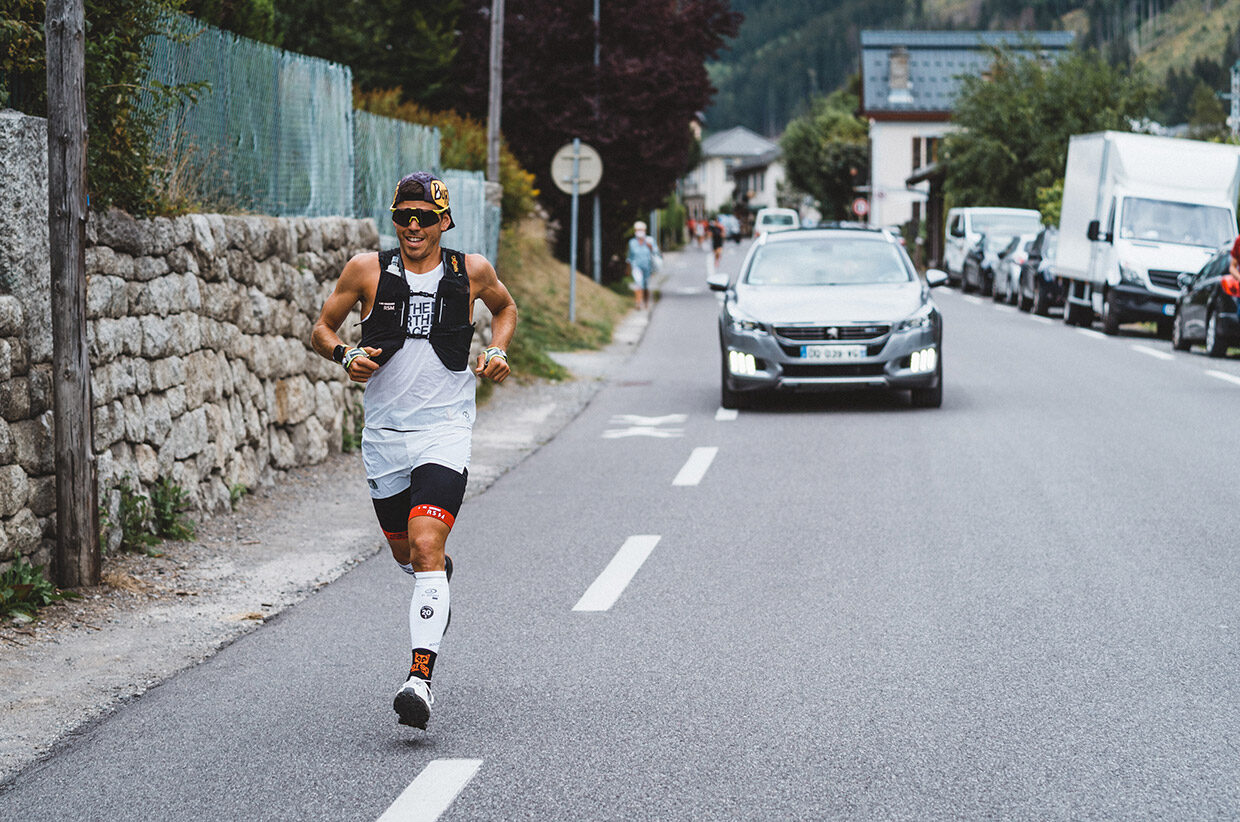
Written by Harriet Osborne // Photography by Mathis Dumas // The North Face
The North Face presents Breaking 20, a short film documenting ultrarunner Pau Capell’s attempt to break his own course record at UTMB, which has been described as one of the most gruelling trail races in the world.
With mountainous terrain, high altitude, and extreme weather, the Ultra-Trail du Mont-Blanc is one of the toughest trail races in the world. After winning in 2019 with a course record of 20:19:07, The North Face ultrarunner Pau Capell returned to the trails in an attempt to complete the course in under 20 hours. With no aid stations, no competitors, 171km of trails, and 10,000m of elevation, it was a test of both physical and mental endurance. Here, he shares his experience.
You were prescribed mountain running after suffering a knee injury playing football when you were 20 years old. How did it feel the first time you went running?
I felt freedom. I played tennis, football, and basketball before, but the feelings I had while running were different. I could choose where I wanted to go, the pace I wanted to run, and when I wanted to stop. I felt amazing after my first run. I just wanted to run again.
When did you realise that what started as rehab could turn into something much bigger? Can you tell us about your most memorable running achievements?
I won my first trail event a year after my injury in 2013. I continued to race competitively in ultrarunning events, and decided to take my running more seriously when I finished my studies. In 2019, I won my fourth consecutive race in the Transgrancanaria, then I won the Ultra-Trail World Tour in Patagonia and Mozart 100 before winning the race of my dreams, the Ultra-Trail du Mont-Blanc (UTMB). It was the best season of my life.
Spain has been one of the countries hardest hit by the Coronavirus. How was your life personally impacted by lockdown restrictions? How did you stay motivated?
It was really hard. I remember being exhausted and having no motivation. But here in Spain we had a different agreement for professional athletes, and after six weeks we were allowed to train outside. I remember around that time UTMB announced they were cancelling the race. It was at that moment I decided to race alone and attempt to break my own record.
What training was involved in the run up to Breaking 20?
I normally do 30 hours of cardio per week – two hours of cycling and three hours of running per day. For Breaking 20, I also did up to six hours of strength and gym training per week. Where I live in Andorra, you can’t run more than 40km because the elevation is too much. But while at my parents’ home in Barcelona, I was running 50 or 60km per day.
UTMB is one of the most gruelling trail races in the world. What was going through your mind as you headed to the start line?
It was a mixture of feelings. I felt a lot of pressure, for sure. I knew that press from all over the world were in Chamonix – just for me. But I’m just a normal guy. I didn’t want to let people down. I was feeling this pressure for hours before the race.
How much of a difference did it make to run alone, with no crowds cheering on the sidelines? What kept you going?
It’s hard to stay positive when you are running alone. There were some people in the mountains who were cheering me and motivating me. But, when I was alone, I was just thinking about my family: my parents, brother, sister, and friends. I was running for them.
Physically, what was the hardest part of this race?
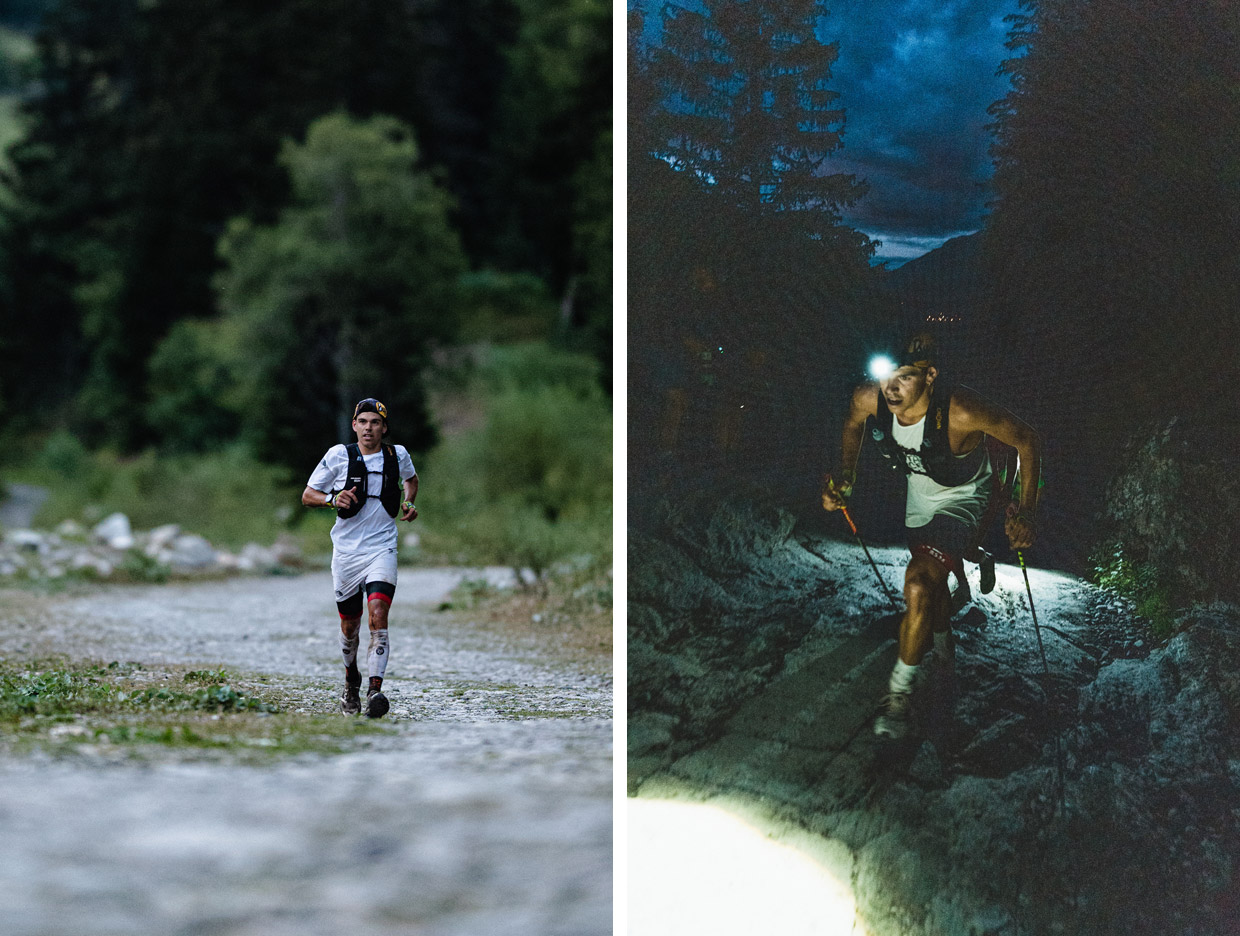
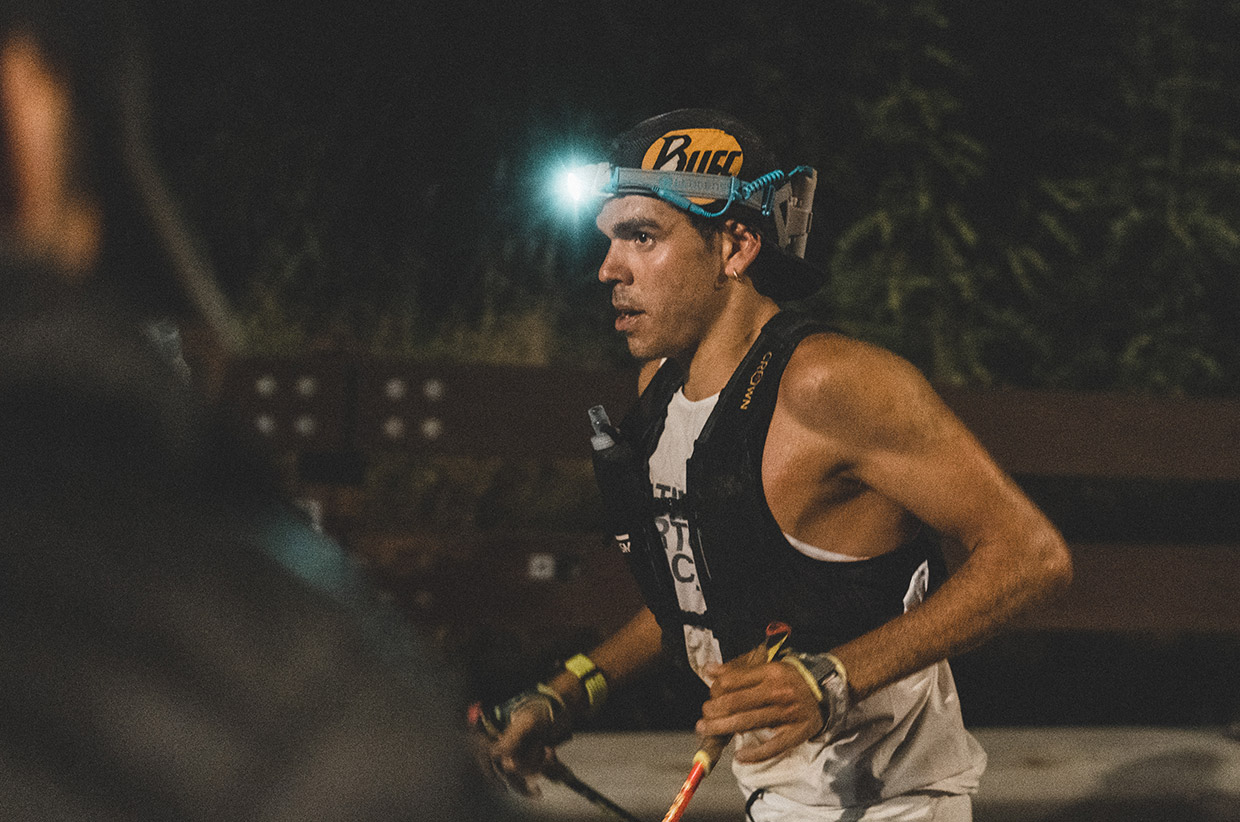
For me it was in the last 20km. I was exhausted, running with 12 other people, and I told them, ‘I need to stop for one minute, because if I don’t, I will not continue and I am running for you.’ In 2019, I remember that 100 miles was not too much for me. But if I’m honest, this year, it was too much. The last part was really hard for my legs. I was suffering a lot.
How did you overcome the mental challenge? What were you telling yourself?
When I’m running I have my mobile phone on me at all times. When I’m tired I make a call to my mother or my father or some friends. They know what makes me happy in bad moments – that’s why I make calls. ‘I love you,’ they say. They know I need these words.
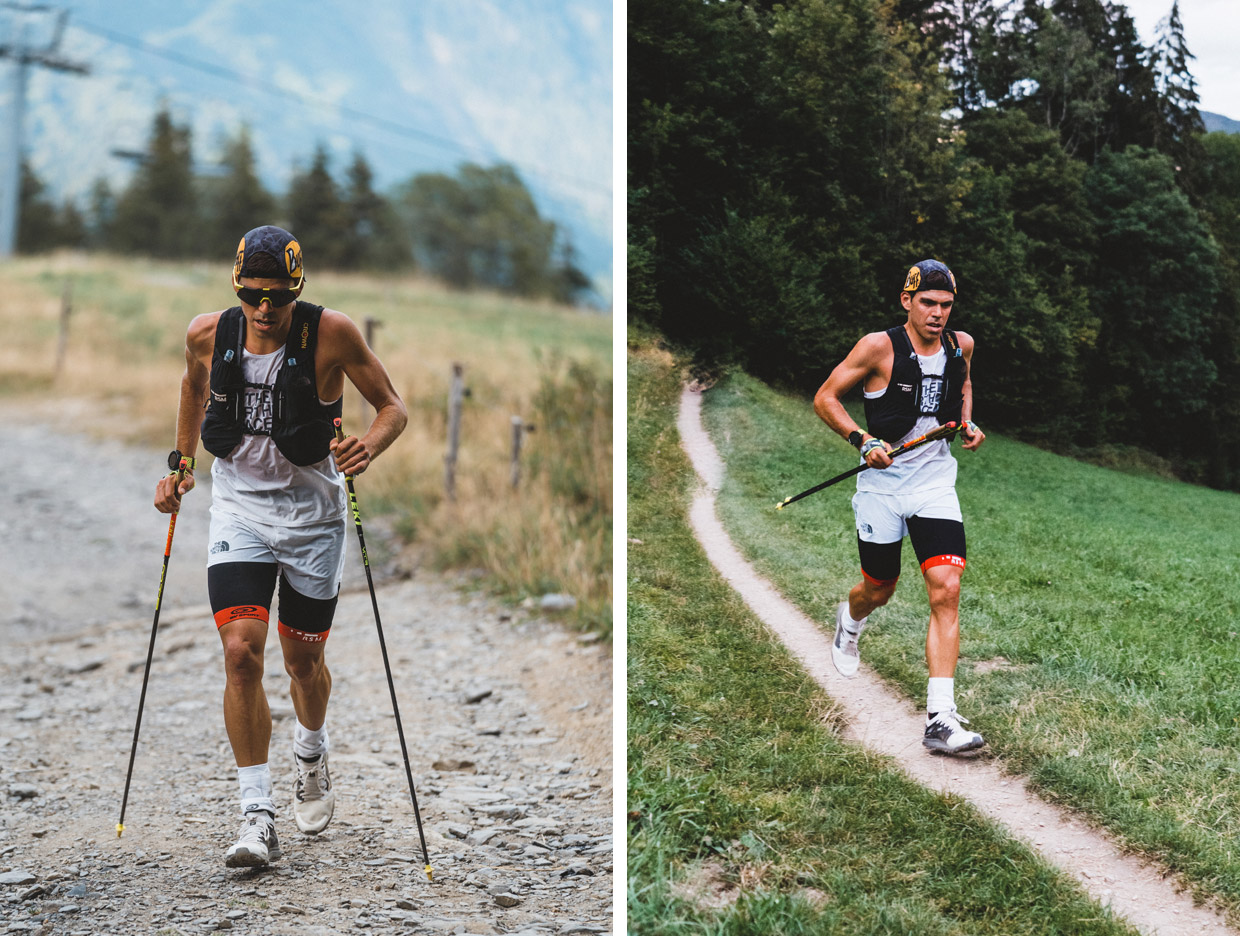
How did you fuel for the race? How many calories did you have to consume?
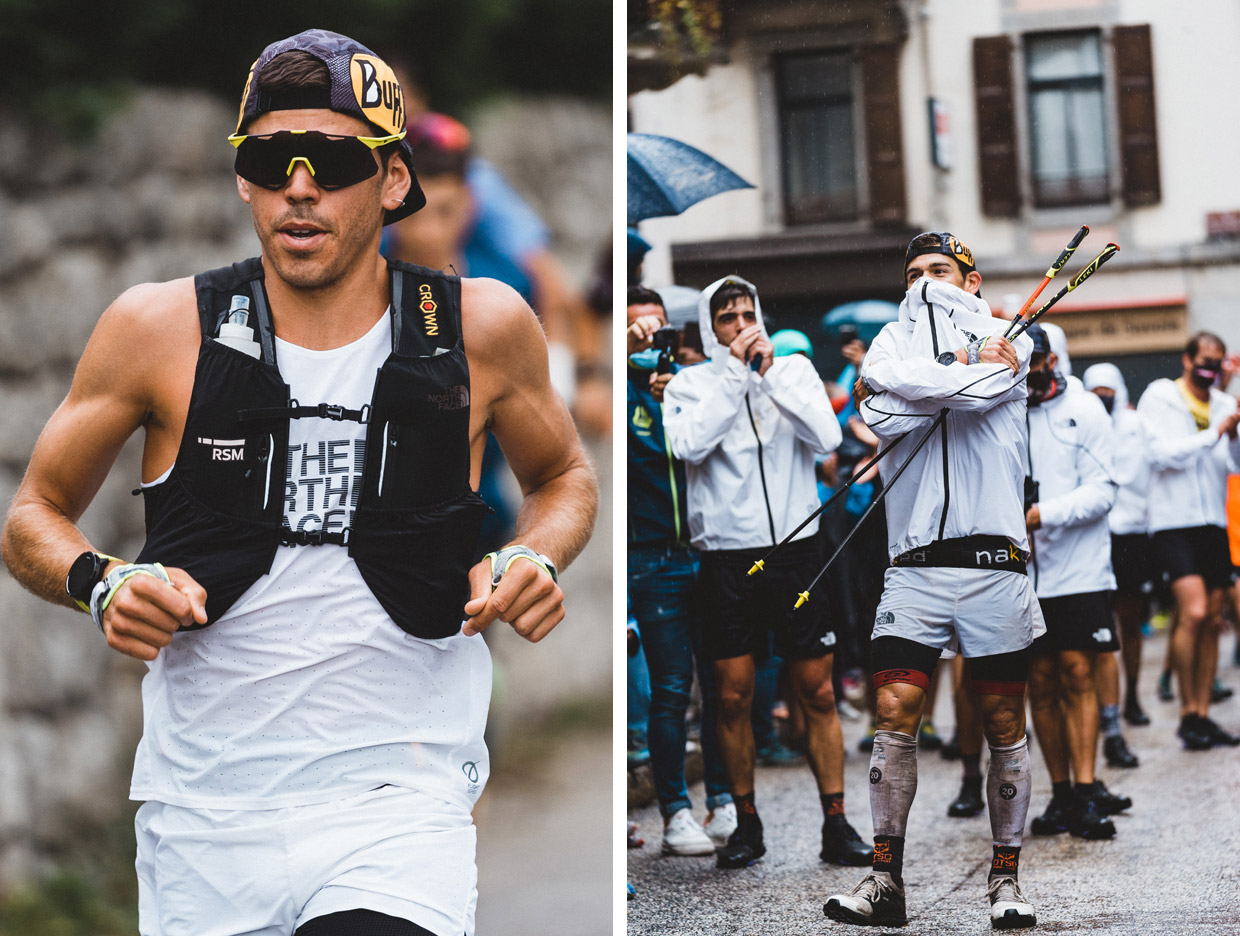
In one hour I would burn 1,100 calories, and it was 21 hours altogether, so you can imagine how many calories! But I normally eat a lot; I know that I need to, otherwise I won’t finish. Every 20 minutes I drank water or isotonic and every 40 minutes I would eat a banana, an energy bar, a sandwich, some rice or potatoes. I distributed these throughout the course.
You completed the race in 21:17:18. At what stage did you realise you might not break 20? How were you feeling at that time?
I remember that, during the last 20km, I saw my watch and thought, OK I have two hours to finish this part. In training I could have done it, but with all the kilometres I had already done, it was impossible. I remember talking to the team. I said, ‘Sorry I will not break 20 hours, but I will finish.’ I felt really sad. But, at the same time, I felt fortunate. If you are with the people you love in the worst moments of your life, it’s not so bad. All the people I love were there. I won’t break 20 but I will cross the finish line with you.
You ran in The North Face’s Vectiv shoe. What makes this shoe good for running in the mountains?
The Vectiv shoe is one of the best in the market. It has good propulsion because of its carbon plate. The cushioning is really good, and the shoe provides support and protection for your feet over long distances.
You say that you will be back to race again. Is there anything you would do differently?
I would train more. I trained as much as I could during lockdown but it wasn’t enough. You need to train more than 30 hours a week – and also make time for a good recovery between sessions. If not, you will explode. If you do not take care of your body, you will suffer. It’s so important to dedicate time to this.
What can the running community learn from your experience?
Don’t let anyone tell you that you can’t do something. If you have a dream, dream it, fight for it, and don’t let anyone tell you that you can’t.
Find Pau on Instagram @paucapell
Written by Harriet Osborne // @harrietosborne
Photography by Mathis Dumas // @mathis_dumas (courtesy of The North Face).