The Hike Society: A Shot in the Dark
Inspiration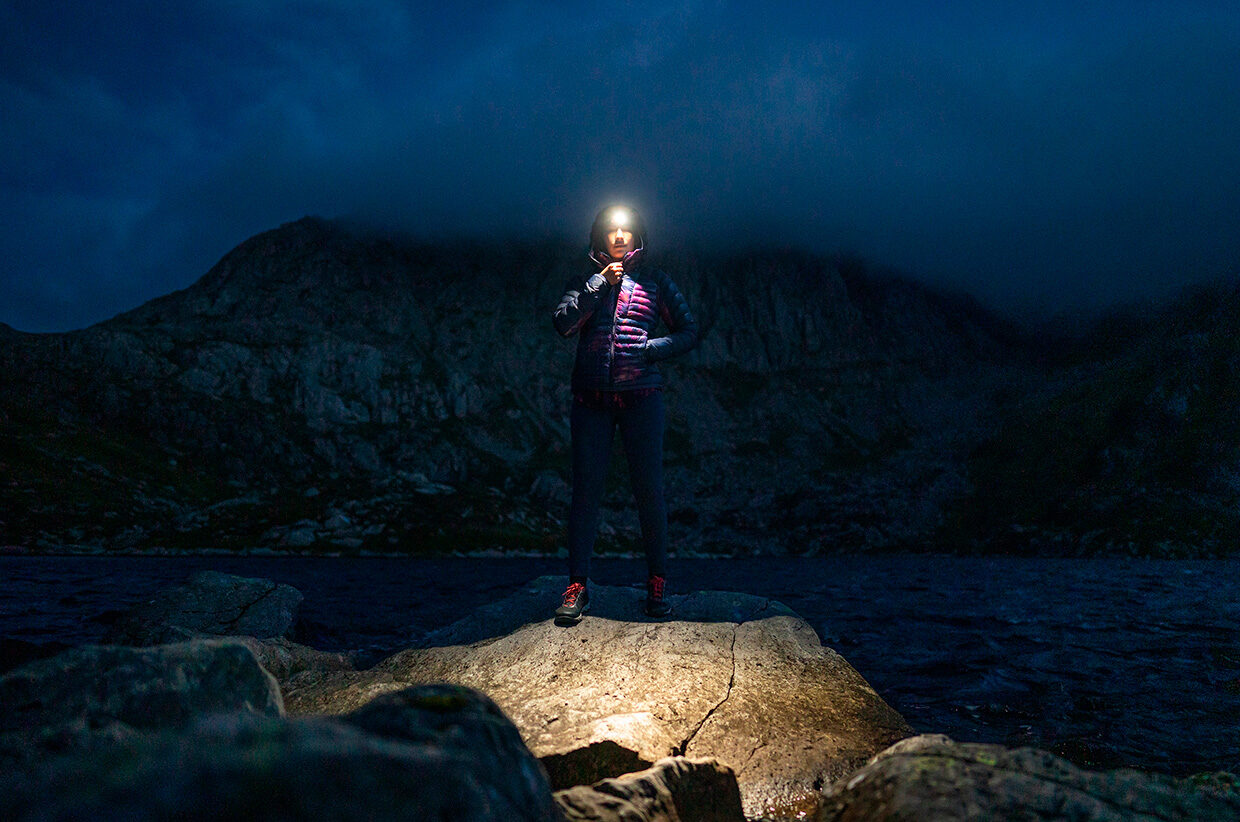
Learning to see the stars
Written by Megan Brownrigg // Photography by Eilir Davies-Hughes
In partnership with Columbia
Going nocturnal in Snowdonia National Park with Dark Sky Officer Dani Robertson and astrophotographer Eilir Davies-Hughes.
‘Gemini is in the sky at the moment,’ Dani tells me. Traced together, this constellation looks like a pair of twins holding hands. The two brightest stars, which form their heads, are traditionally associated with Castor and Pollux in Greek mythology. But here in Wales, they’re Gwynne and Gwythyr – the rivals of May.
‘We’re a nation of story and song, and Welsh folklore like Gwynne and Gwythyr contains important information and lessons,’ Dani says. ‘These things need passing on! Before people had calendars, they’d look up to see Gwynne the White sitting highest in the constellation, which marked the arrival of winter. His rise meant that they needed to bring down their animals from the hills, ahead of the cold, and prepare harvest. But a few months later, when Gwythyr the Fair reclaimed top spot, spring was finally on her way and the farmers could sow seeds. In fact, it’s only very recently that we stopped using celestial navigation, because of the birth of GPS.’ Dani’s expression tells me that she is not a fan of GPS. ‘Until about 1975, we sailed our seas by knowing where we were in relation to the stars.’
Dani Robertson is the Dark Sky Officer for Parc Cenedlaethol Eryri, otherwise known as Snowdonia National Park. The stars’ skills for storytelling and global navigation are just two of the reasons that Dani wants us to protect our night skies. Darkness might not look vulnerable, but the truth is that it’s in short supply here in the UK.
‘The first thing I tell people who come to my mobile observatories,’ Dani says, ‘is that only two per cent of us in the UK get to experience a truly dark night’s sky. That’s quantified by being able to see at least ten stars.’
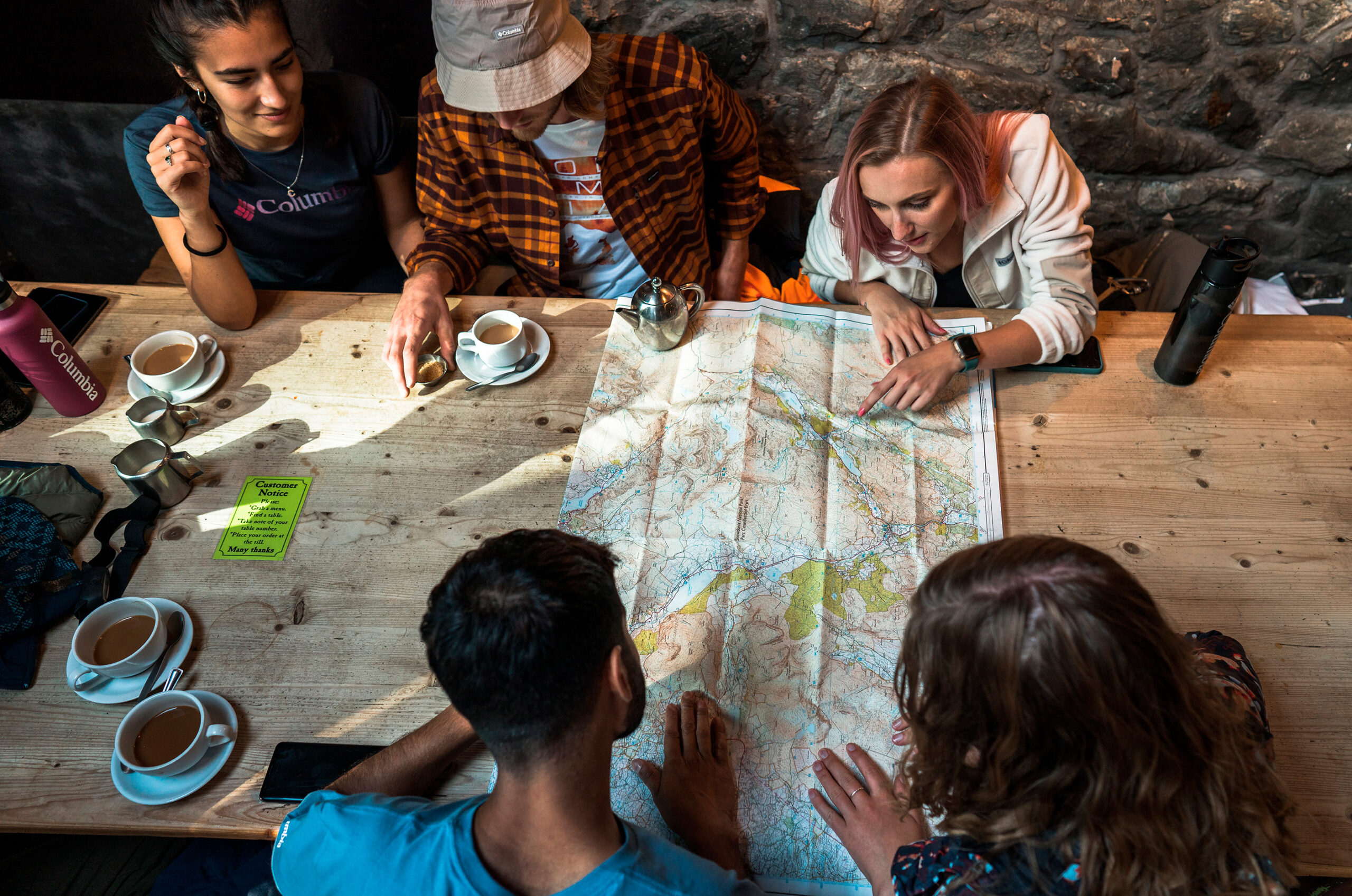
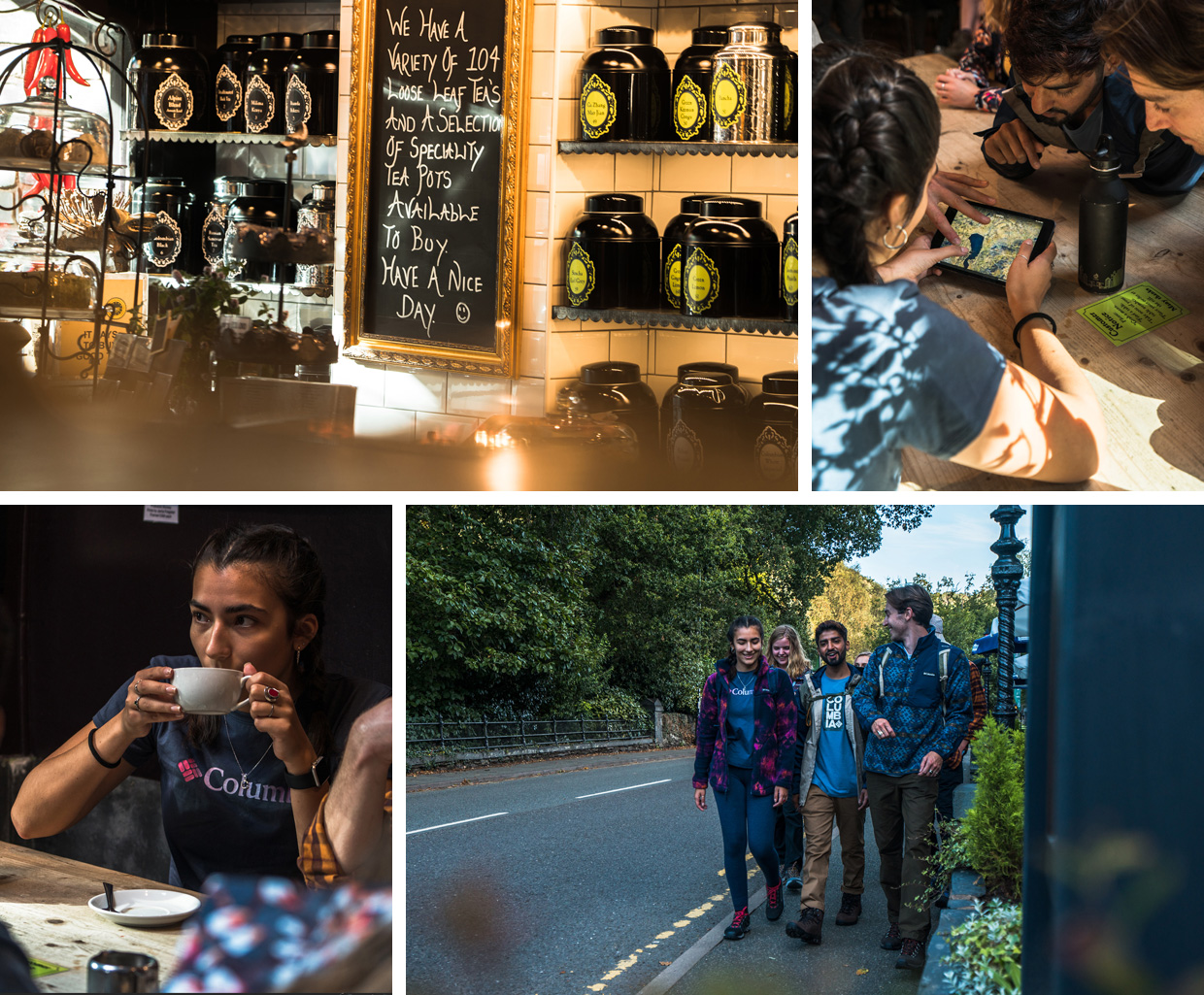
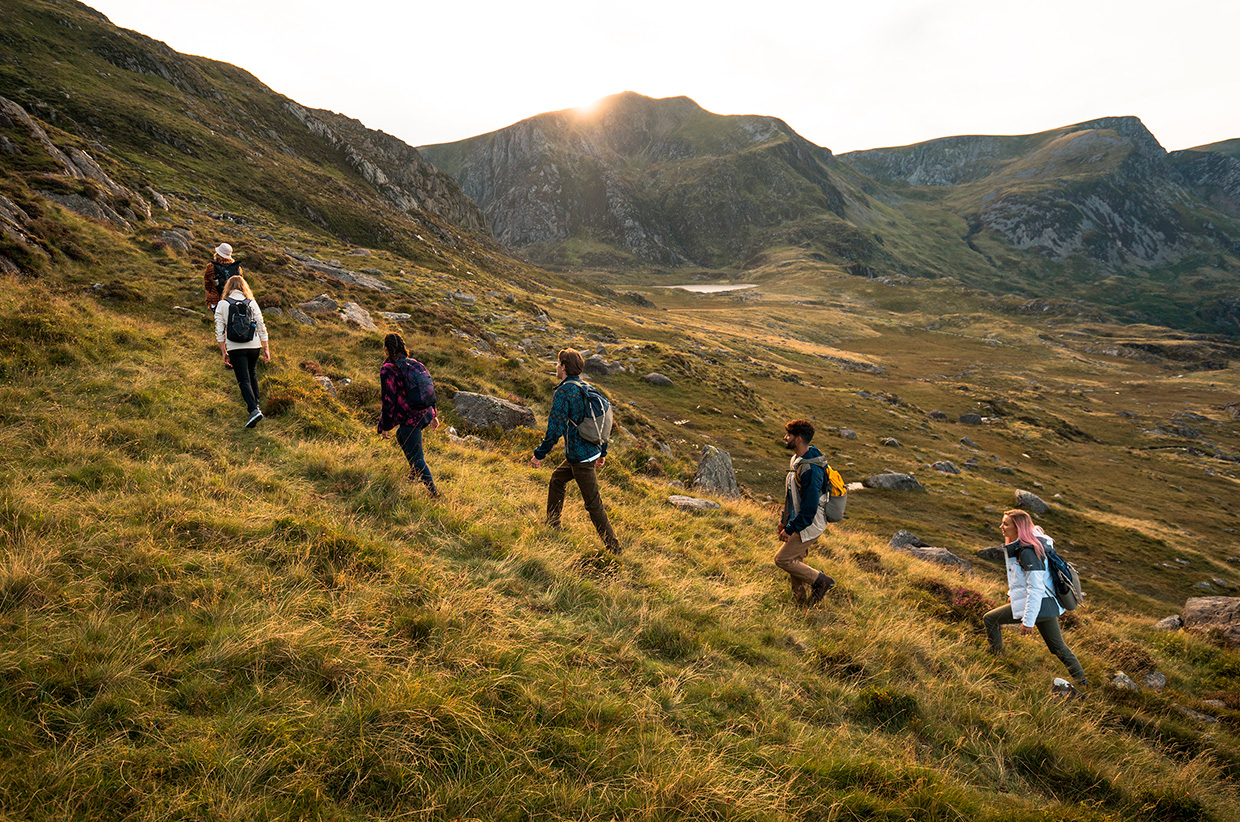
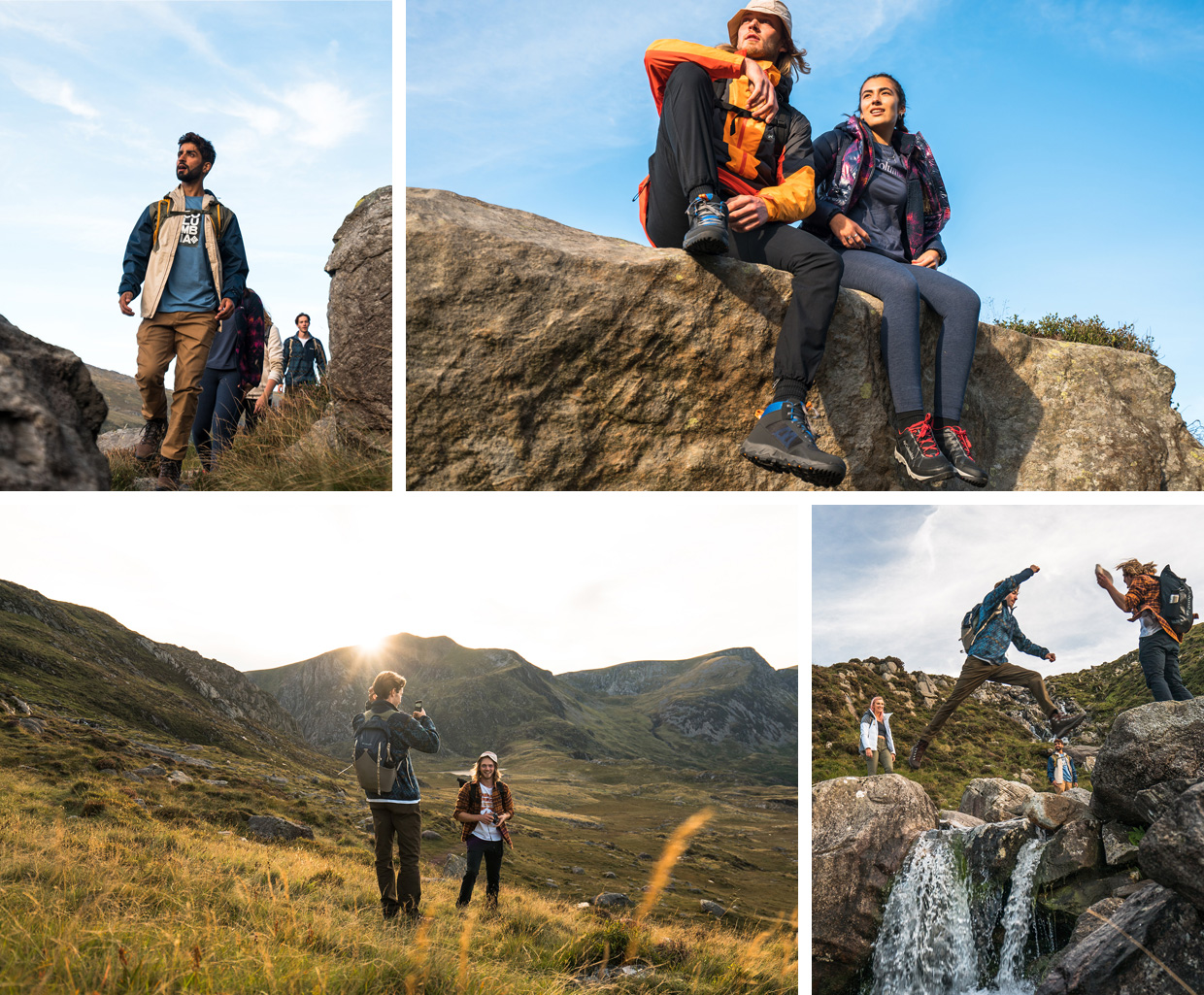
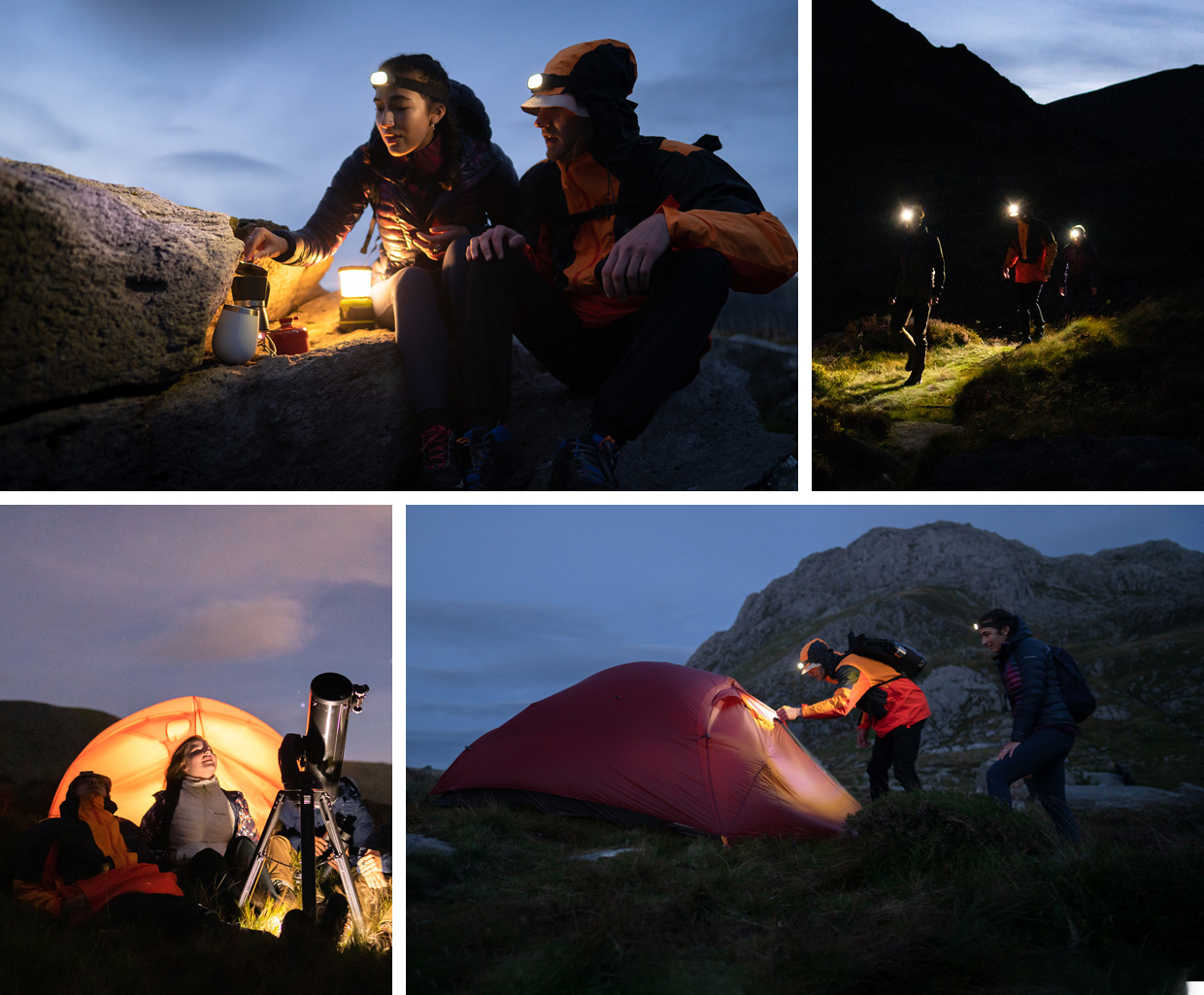
Seventeen stars, visible to the naked eye, make up the Gemini constellation. Which means that 98 per cent of us will never see the full formation of the twins. Unless, of course, we creep into darker corners of our kingdom, away from light pollution. Which is exactly what a group of Columbia-clad hikers were lucky enough to do one night with Dani – a group of people who didn’t know each other until that day, joining together as part of an event with the Hike Society to experience the night sky at its most majestic. The pack of city-dwellers trekked into the valley of the national park at dusk, along with specialist night-sky photographer Eilir Davies-Hughes. Instead of worrying about losing the light on their route, this group was hunting total obscurity.
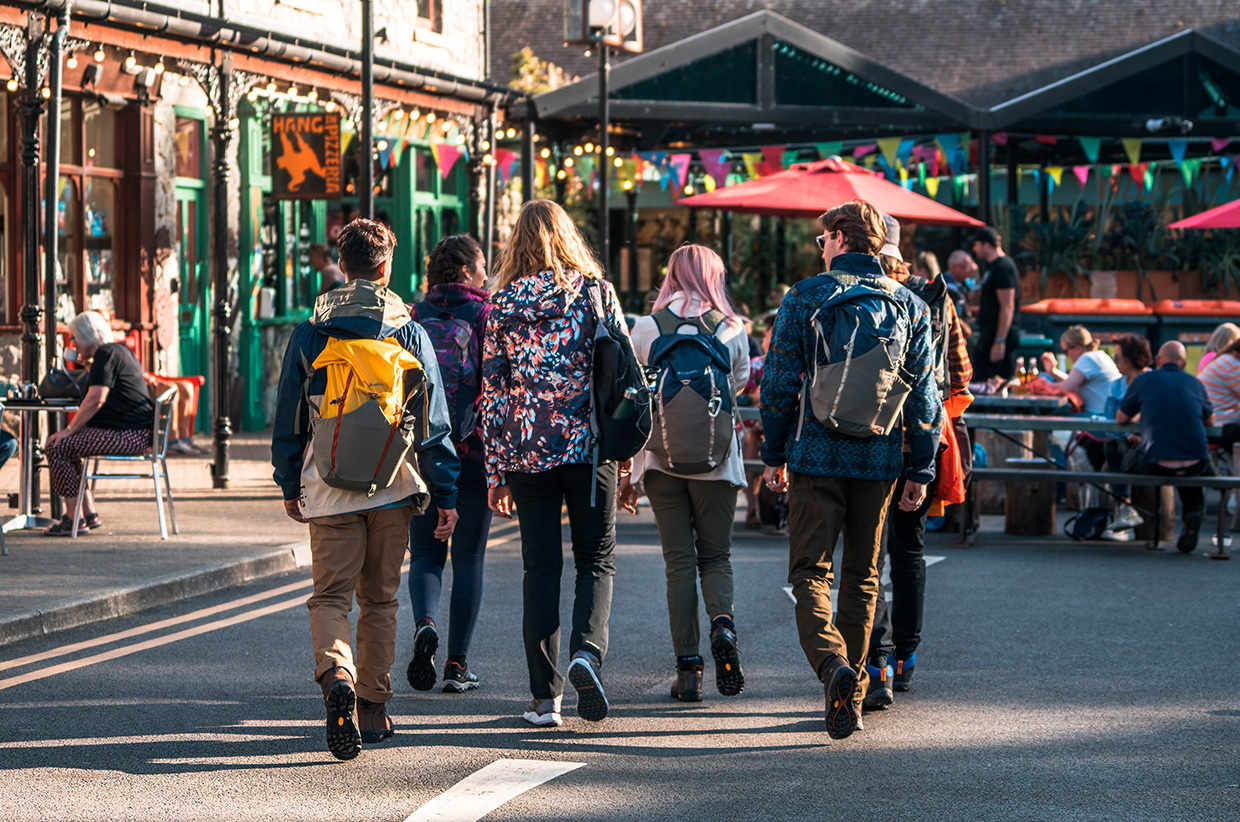
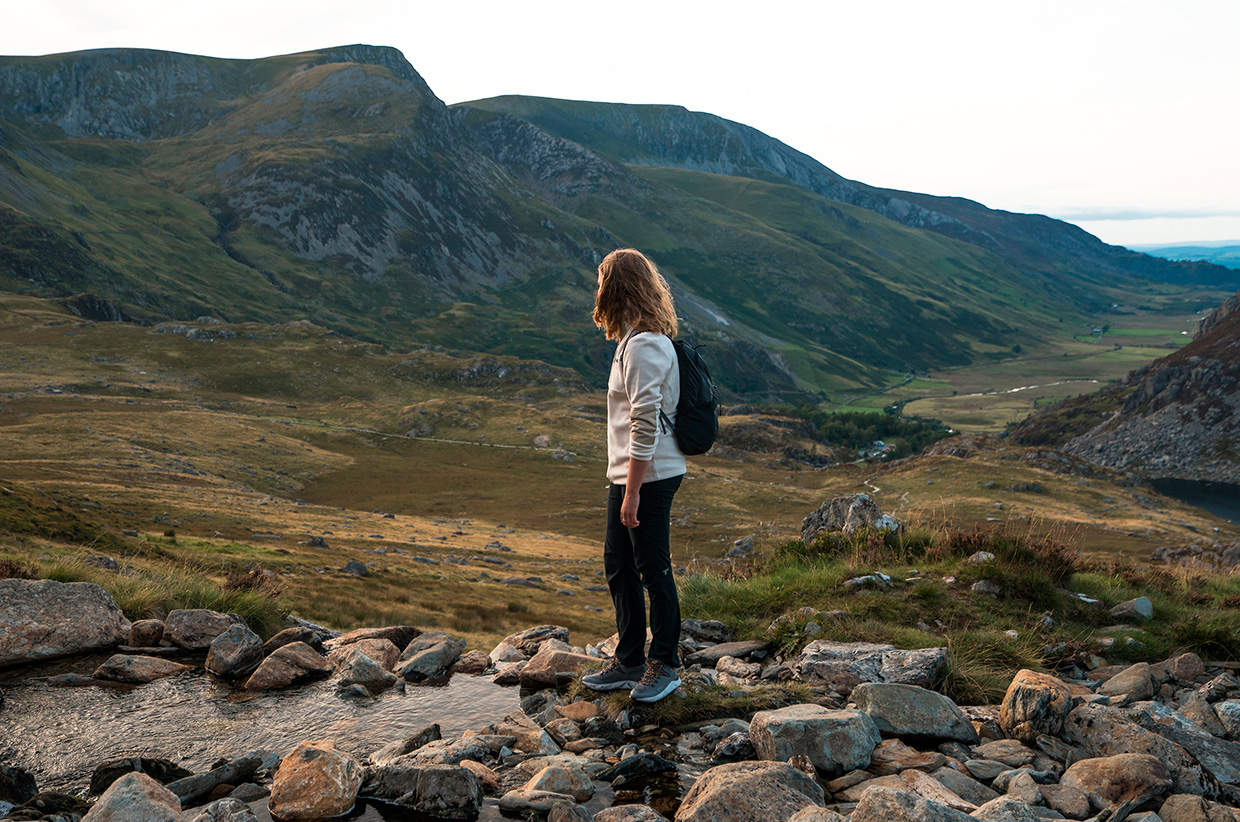
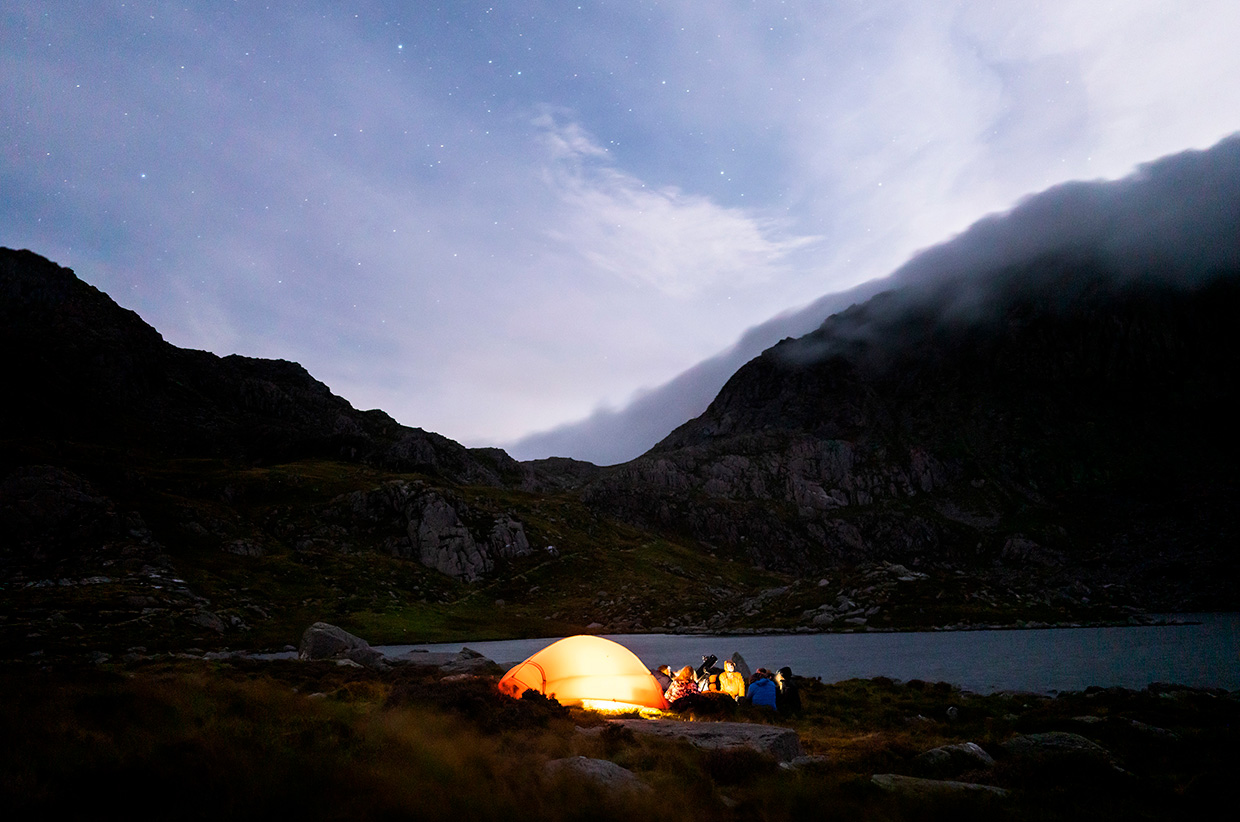
They were in the right place. Snowdonia is one of the world’s dark sky reserves, meaning that it has outstanding night air quality. In other words, its pitch-black skies are in that precious two per cent. But Eilir told us that, even in Snowdonia, if you climb too high then your images will be contaminated by distant bulbs of light. Even the glow of a faraway hamlet is enough to muddy a night’s sky. To avoid this, the group kept relatively low, using the valley to armour them in gloom. Climbing halfway up the mountain Tryfan, they eventually settled by the sheltered bowl of a lake. As they waited for night to set in, Dani, Eilir, and the hikers tested the theory that a four-man tent can fit at least eight cold people inside. Outside, conditions were far from ideal –the wind cracked its whip and clouds smudged their chalk on the night’s clean slate. But Snowdonia’s skies always offer something for hardy onlookers. Numb fingers and pink noses were rewarded when the group spotted Jupiter.
‘The guys on the hike couldn’t believe they were seeing a planet – but here was one of the gas giants dominating the sky as the brightest star,’ Dani says.
As a youngster, Dani grew up staring into Snowdonia’s night skies from the island of Anglesey. But she was 26 before she set foot in the park itself.
‘I grew up being able to see the mountains every single day, but the transport links on the island aren’t very good and we weren’t very wealthy, so getting there wasn’t an option.’ Although Dani admits it’s a sad feeling to grow up with views of places you can’t get to, one place that she had open access to was the night’s sky. ‘You could see the Milky Way from our back garden. Also, my dad was a bit wild! He’d listen to Patrick Moore on the radio, and then drag me out at all hours to spot the constellations he’d been talking about. We’d never walk with a torch so I’ve always felt very comfortable in the dark, which I know is unusual, especially for a woman.’
Dani recognises that people who live in rural areas generally do have a different understanding of the dark. ‘They’re very comfortable with it, whereas people from the cities even find driving on dark roads difficult – understandable considering they’re surrounded by light all the time.’ Many of the talks she gives are to grandparents who have brought their grandchildren to see shooting stars for the first time and familiarise them with true darkness. Dani’s well accustomed to five-year-olds begging their grans and grandads to let them stay out later to keep watching the sky, before going sparko at 10.00pm because their minds have been blown! This curious obsessiveness reminds her of her younger self.
‘I remember when I was about eleven, my village got its first computer in the local library. I’d go on a Saturday morning and look up a constellation – which meant waiting for the five minutes it took to load one page! I’d print it, and that image would be my one thing for that month to go and see.’
Despite her nocturnal upbringing, Dani still felt that jobs in conservation would be closed off to her. Instead, she worked in community, helping people in some of Wales’ most deprived areas gain skills so they could break the poverty cycle. Inevitably, this involved their access to nature.
‘A lot of people have lived in communities where it’s too far to walk to your nearest nature reserve or beach, but to get there on the bus would have taken you two buses which cost a tenner. So that’s a lot, isn’t it? If you just want to go to the beach for the day?’
Eventually, a friend sent Dani the advert for the Dark Sky Officer post, thinking she’d be great for it.
‘I called my partner after the interview saying “there’s no way I got that job!”. They said they were looking for the next Brian Cox! But I was happy to have even been invited to Snowdonia National Park’s offices. And when they told me I’d got it…’
It’s the first time in our conversation that Dani’s been speechless. Today, she protects the darkness of the Clwydian Range, Dee Valley, and Snowdonia. Her nights are spent stargazing with curious explorers – like the group of Hike Society walkers who found themselves enjoying the darkness and silence on Tryfan – whilst her days include giving lighting advice to community councils or even advising on location with filmmakers. Her tips for night novices include learning the Welsh names for Snowdonia’s peaks, valleys, and lakes. She’s also insistent that it’s worth getting into the national parks at night with someone (like her) who knows what they’re talking about, as there’s so much to learn about how we can contribute to the conservation of darkness. Finally, she’s keen to share the fact that light pollution is a positive story.
‘With nature conservation, we’re always talking about killing everything and massive disasters. But everybody has the power to do something about light pollution. You could go outside now, look at your lights, and ask if they’re dark-sky friendly. Often it’s just about adjusting their direction, or warming up their Kelvin temperature.’
As well as preserving the habitats of wildlife, 60 per cent of which depends on darkness, getting deep into the dark is good for us. We’re programmed as humans to respond to light cues, and artificial light in cities can really mess us up – affecting how we sleep and function. For Dani, darkness deletes life’s white noise, and it should be visible through everyone’s curtainless windows.
‘I feel like there’s a clarity to the air at night. The air changes, it smells different, it feels cleaner. Even the tonal quality of sound changes. Have you ever noticed that the sea sounds totally different at night?’
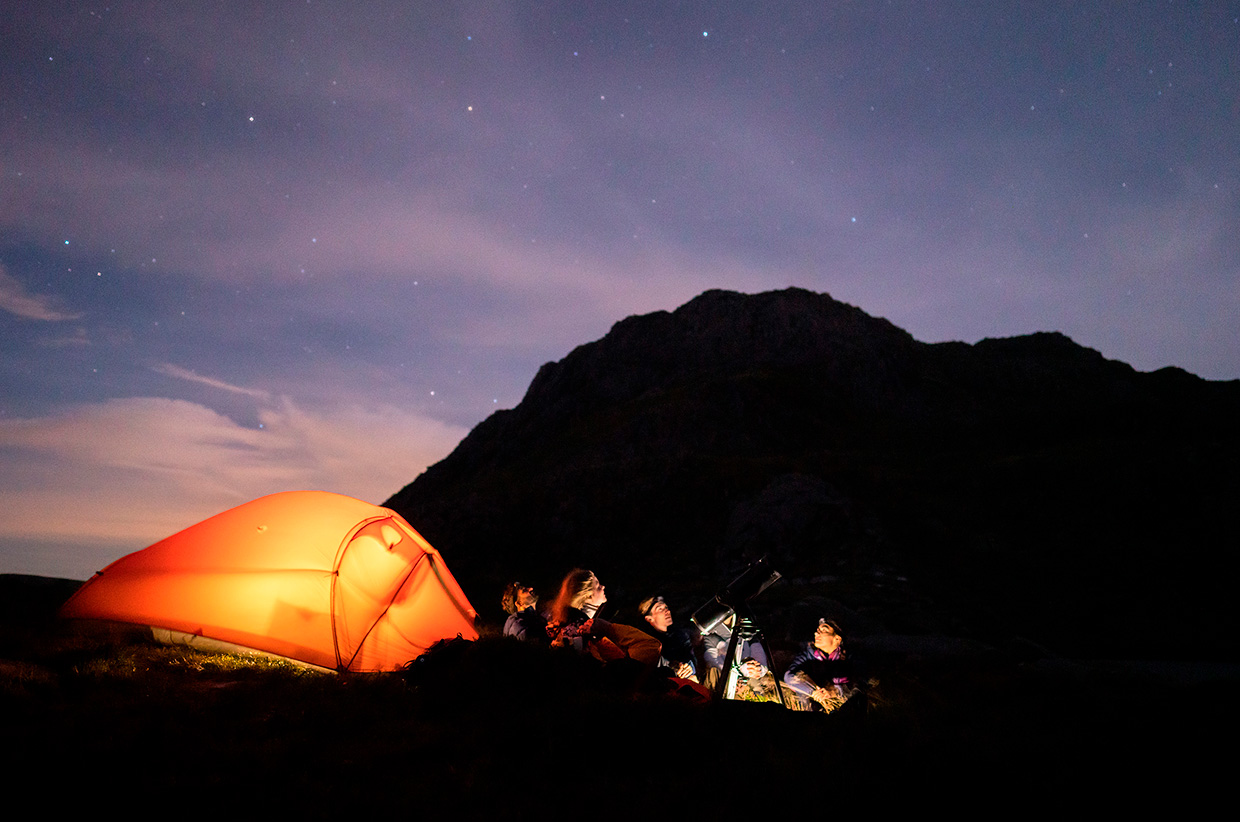
Meanwhile, photographer Eilir argues that shooting at night slows him down, as every image requires quiet planning and long exposures. For him, the darkness also illuminates things. His nocturnal camera settings pick up things the naked eye will never quite see – such as vivid green nebulae or dimmer stars. As far as Eilir is concerned, spotting those stars stops the roller coaster for a moment while reigniting the sensation of riding this planet we call home. Eilir’s dark-sky images from the night on Tryfan include delicate wisps of cloud floating across the expanse of stars, with the warm glow of the tent and its human occupants far beneath.
From people etching constellations in caves through history, to the indigenous peoples who still move and migrate to the tune of the night’s sky, Dani is adamant that we need the dark.
‘The stars at night should be a complete shared resource globally, because that’s our home that we’re looking into when you see the Milky Way. That’s our home galaxy. How can we inspire people to go on to become scientists and to want to work in the space sector when they can’t see stars? You’ve got to reach for the stars, but to do that you need to be able to see them.’
Luckily for us in the UK, the northern hemisphere’s constellations excel in these cold, dark skies. If ever there were a reason to embrace the endless dark hours of winter, it’s to see the stars.
Dani’s advice to us all is simple.
‘Get out there.’
Written by Megan Brownrigg // @brownriggmegan
Photography by Eilir Davies-Hughes // @eilir30 // www.eiliradventurephotography.co.uk/