Tamara Lunger: Soul Mountaineer
Field Journal Explore Inspiration
Written by Mark Bullock // Photography courtesy of deuter
“I wanted to create my own life, and it was hard because at the beginning I had no goal. I was lost and it felt empty, and in this painful emptiness I didn’t know where to put my energy. It wasn’t possible to jump several steps ahead. I needed to suffer in those months and years. But it made me a happier person and I’m super grateful. In 2021 I asked myself, ‘Why the hell do I need to be here?’”
Italian alpinist Tamara Lunger began her career in ski mountaineering before finding her passion as a high-altitude mountaineer. She was the youngest woman to climb Lhotse, and has summited K2 without the use of supplemental oxygen. However, her career took a tragic turn after the loss of close partners. Feeling lost and in need of a change, she began to study regeneration – because she never gave herself the time to regenerate. Mark Bullock caught up with Tamara to learn what the future holds for her now.
Mark: Hi Tamara! Thanks for making time to talk to me today. On your website and Instagram bio, you call yourself a Soul Mountaineer. Could you expand on that?
Tamara Lunger: I was a lot into being like a man. I wanted to perform, and maybe this is part of my DNA. I realised that if I went on in this way I’d destroy myself, and at a certain point I needed to stop. It’s not sustainable. For me, the mountain is the opposite of that – something really deep. I think that mountains have a soul, and that their energy tells me if I can climb or not.
In base camps, I always listen to my inner voice in the same way. For me, the mountain is not just about conquering, it’s much more a connection or a relationship. Sometimes it is bad weather, rainy, foggy, thunderstorms, and there are some sunshine days – like relationships!
A journalist once called me the Soul Mountaineer. Mountains and nature are the most important things in my life, because we are nature. I think a lot of people forget that we are part of nature. It might feel like we are guests, but we are really part of it and so we should listen more to nature’s rules.
If we see what’s going on now on the 8,000ers, it’s like people don’t care about the environment. It’s only parties, or how they did it in five days or whatever, and I feel bad about this.
Two years ago there was a guy called Hassan, struggling high up on K2. He was nearly dead and other climbers just walked over him. When I hear this I feel bad about humanity, and I ask myself where all this is going. For these people the summit is much more important than being compassionate, even being alive. I grew up in the Dolomites with different values: how to respect nature, how to respect people. And whenever I go to the Himalayas, I am disappointed because the world there is completely different from how I learned it to be at home.
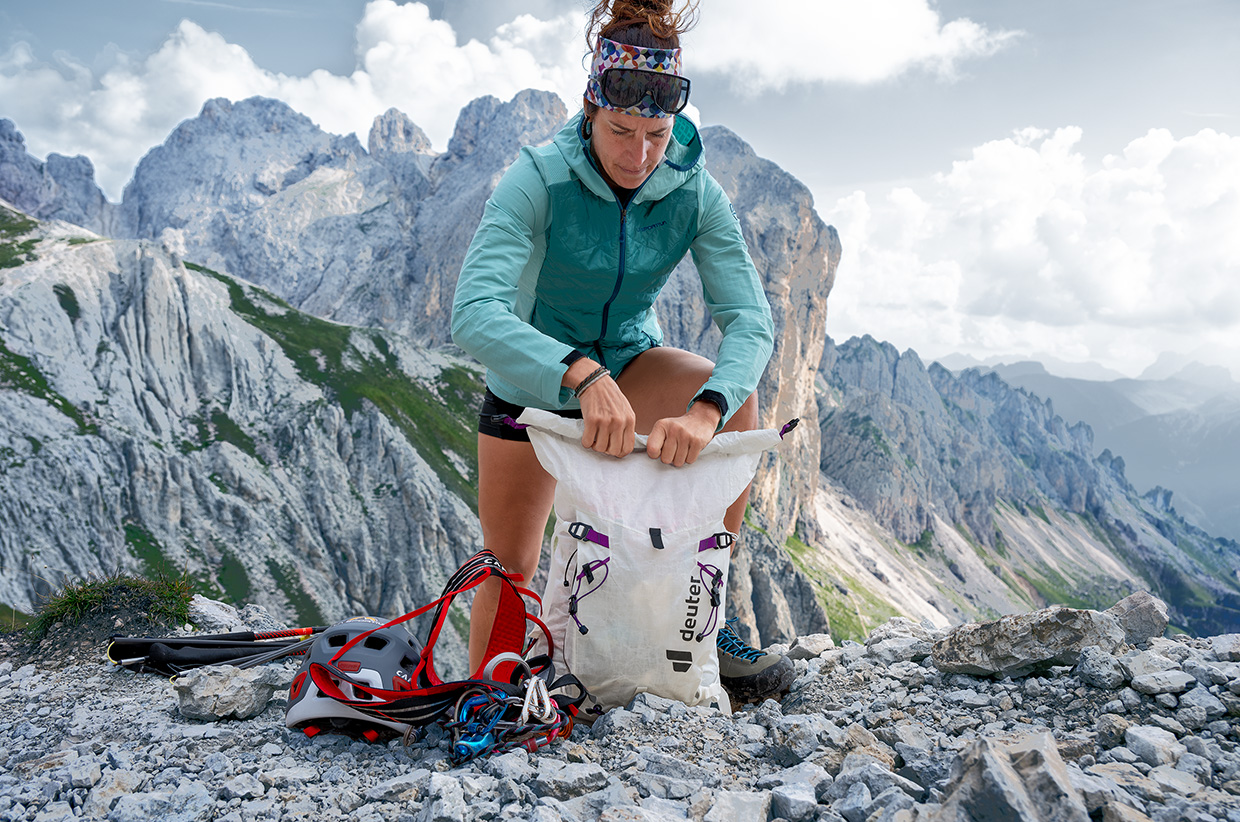
How is your relationship with the 8,000m peaks now? After your tragic K2 expedition in 2021 it really looked like that relationship might be over.
It was my last time on K2. Not only because of the deaths of five people, but also because I was in love with one of them.
For me, all this tragedy was combined with a deep emotional loss, and for the first year I was crying. I didn’t want the cold, nor even the focus on performance. I wasn’t even able to say the word training. But then it got better. These last four years have been the hardest of my life, and that’s why I needed to work a lot on myself. I needed to find a balance inside me.
I wanted to become a better version of myself. I decided to go in this direction. And now I am the happiest I’ve ever been. At some point I said ‘No, you need to make the next step in a better direction’ – not only as a gift to myself, but to allow myself the sadness of being a victim.
I wanted to create my own life, and it was hard because at the beginning I had no goal. I was lost and it felt empty, and in this painful emptiness I didn’t know where to put my energy. It wasn’t possible to jump several steps ahead. I needed to suffer in those months and years. But it made me a happier person and I’m super grateful. In 2021 I asked myself, ‘Why the hell do I need to be here?’
Why did I need to fall in love? Why did I need to see all this death? But now I have the answer – because I needed to feel something so powerful, so painful and negative, that gave me the courage to change, to stop pushing and begin this process of the last few years. Otherwise I would never have had the strength, because my entire identity was about being a mountaineer. And even that I needed to die as a mountaineer.
This was the most painful thing – because I created this image. I’m the mountaineer. I go on expeditions, and people ask me all the time, ‘What’s the next mountain?’
I love high mountains. I always thought I was born for them. I was so strong at high altitude, I was fast, and it seemed that this was my thing. I was always happy every minute on the expedition; I was just grateful that I was able to be there.
My emotional connection to the mountains changed because I did trauma therapy, but I felt that I needed to change something bigger. And then I realised that I was afraid to die.
This is when you got into paragliding?
I signed up for some races while I did the trauma therapy, so I was forced to face my fear and fly, and it was a big thing – but it turned out to be something really beautiful. I saw myself as a child again, with a pure heart willing to learn and improve, and I was able to get rid of my fear of dying.
But my relationship with the mountains changed. For me they are everything, but now I am happy to fly above them or see them from a distance. Years ago I said, ‘Every day without going to the mountains is a lost day.’ But this is no longer correct for me because now I’m grateful to just see them. I don’t need to risk my life in crazy difficult climbs any more. I no longer feel this desire.
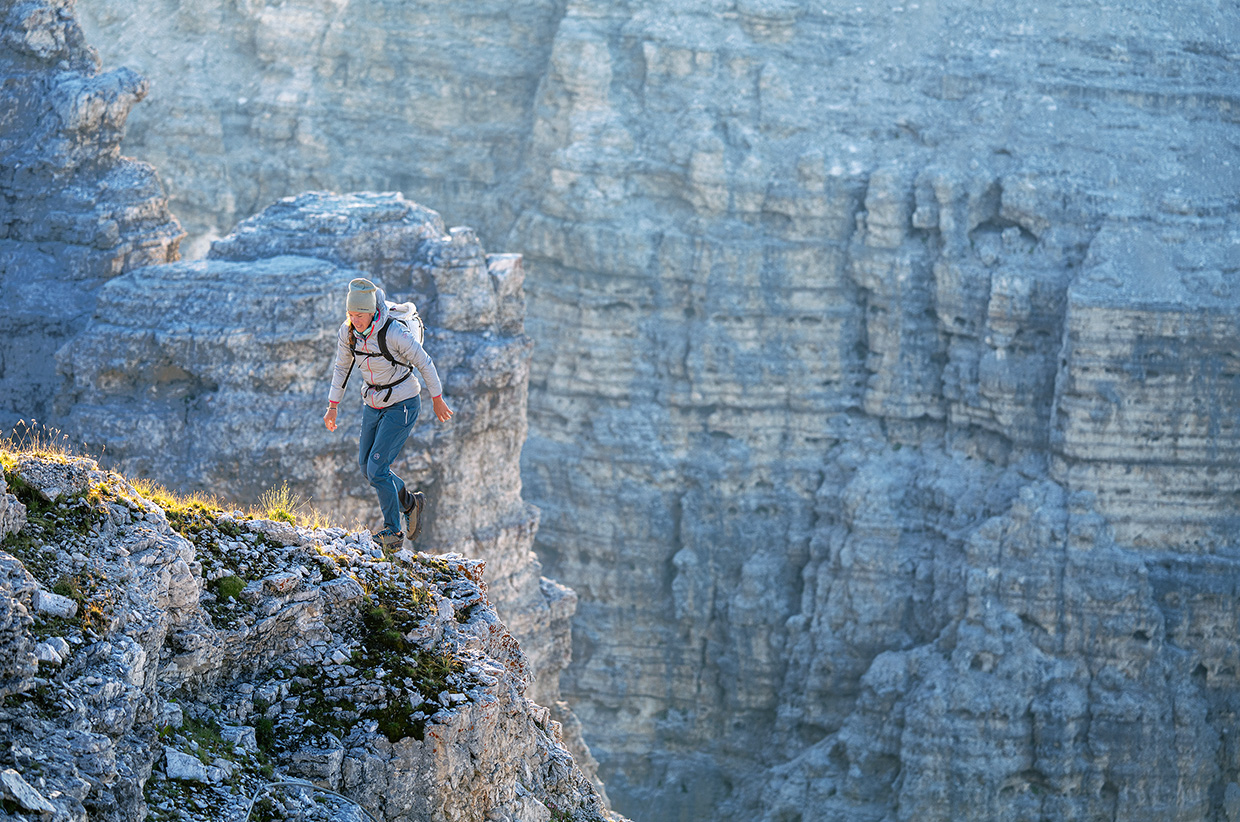
And tell me about your regenerative retreats – what’s the story behind them?
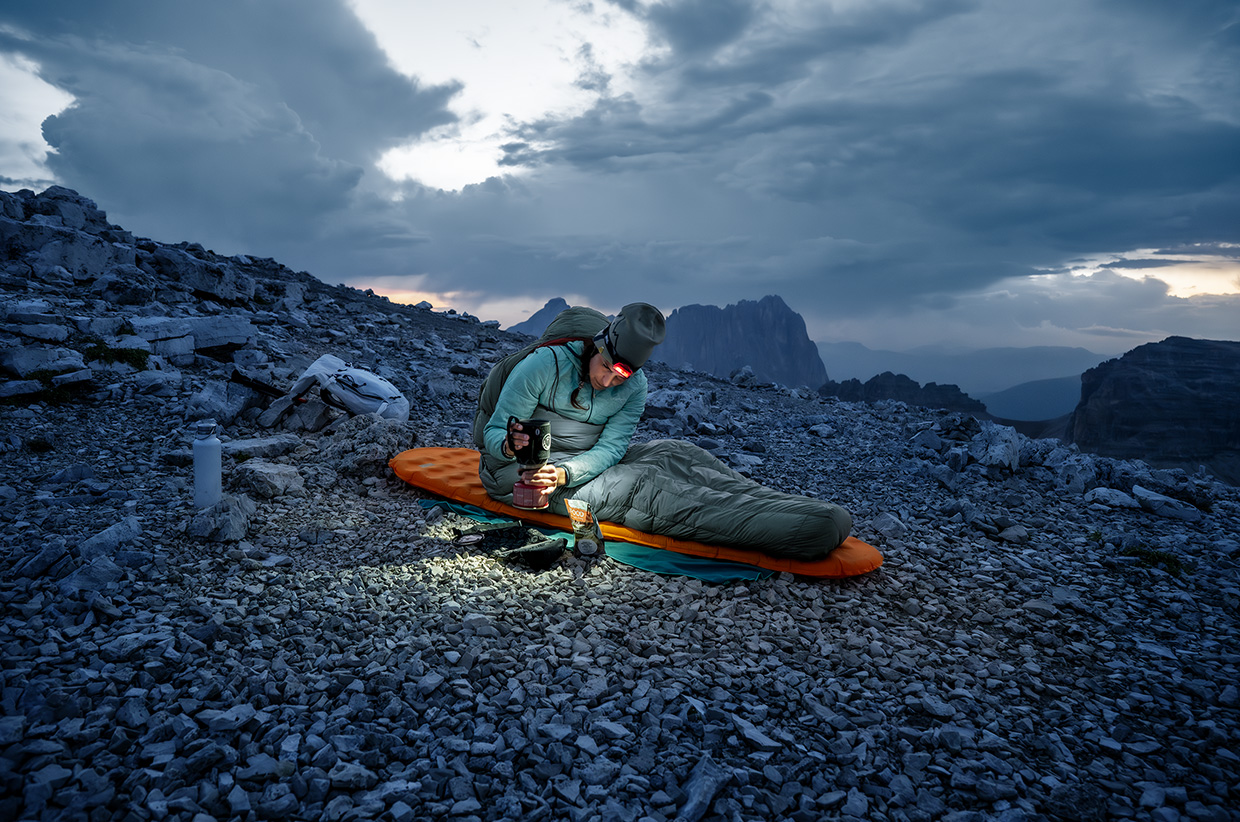
We held a retreat about four days ago, and it was about regeneration, about connecting with nature. We slept outside in tents, cooked by ourselves – it felt like a really pure connection. We use the phrase ‘regenerate to rise’.
I had this idea after my tragic expedition on K2. I felt lost, and after two years I said OK, maybe I was a bit too much into the male energy. I always felt the need to push; I went hard. So I started to study to become a regeneration trainer.
I always had a lot of pain in my life and I just told myself ‘you’re hurting’. I was always like this, and I said to myself this is not healthy. I needed to love myself much more. And so I started doing these retreats. So many people are stressed and overloaded with their to-dos, the pressure of work and family, and it’s always more and more. We need guidelines to know how to save our life energy, because we cannot continue to spend more than we have.
I read that you’ve started a foundation. Can you tell me a little about that?
On the winter expedition to K2, JP Mohr asked me if I would like to join him on this social project to teach the local kids climbing skills, and I said yes. I told him I’m into it but first let’s concentrate on the summit, but then unfortunately we never got the opportunity to do it together [due to JP’s death]. Afterwards, with his friends and family, we decided that we needed to fulfil his last dream.
I decided to do it with girls, because I never really saw any Pakistani women on the expeditions. They always hide themselves because men should not see them. I was always with men.
Can you tell me about your ethics around not using supplementary oxygen?
Ever since I was a child I always needed to do everything the hard way. On my first 8,000m peak I had a bottle [of O2] in my backpack just in case of emergency because I had never been so high before.
I was so cold, and I said, ‘No, I don’t want to return without toes.’ So I took the oxygen that time, but I was so disappointed in myself that I said, ‘No more.’ I took it as a lesson and now I know this is my style. So from then on I did it like I wanted to.
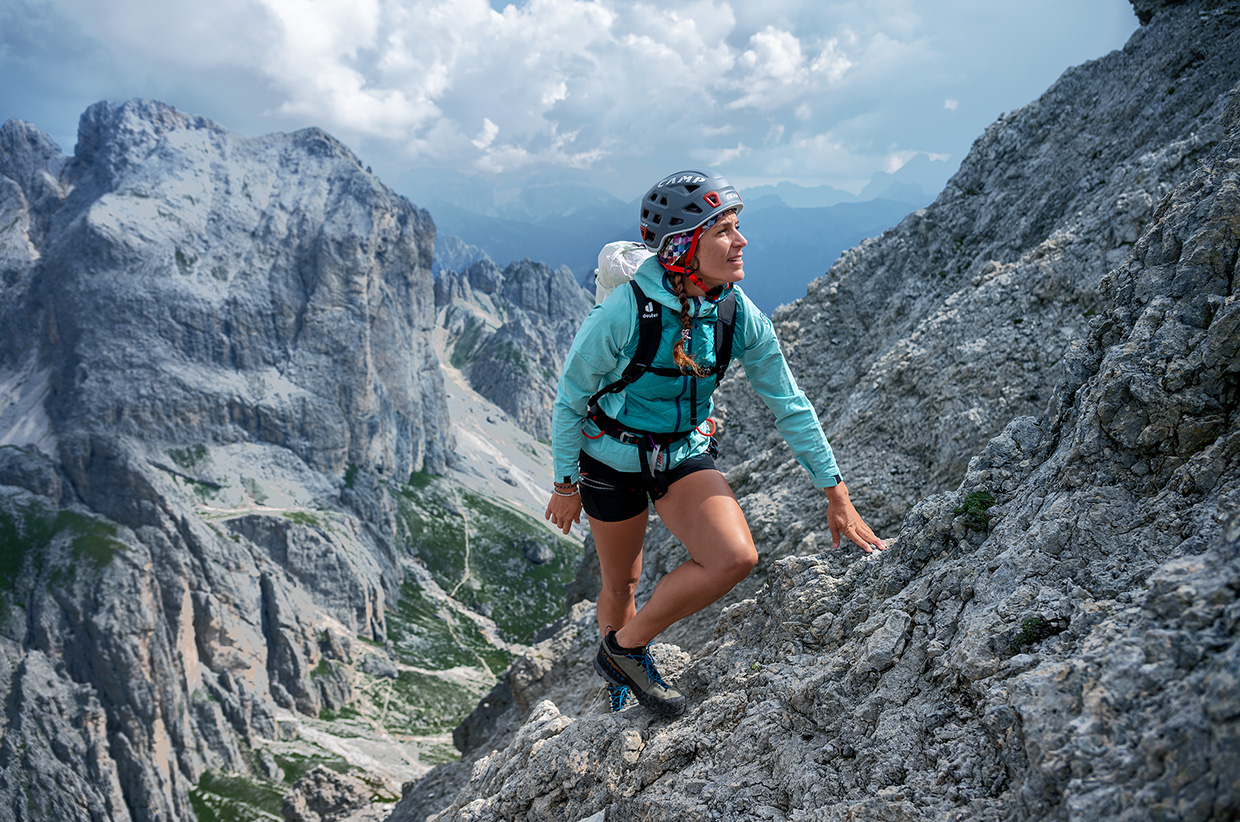
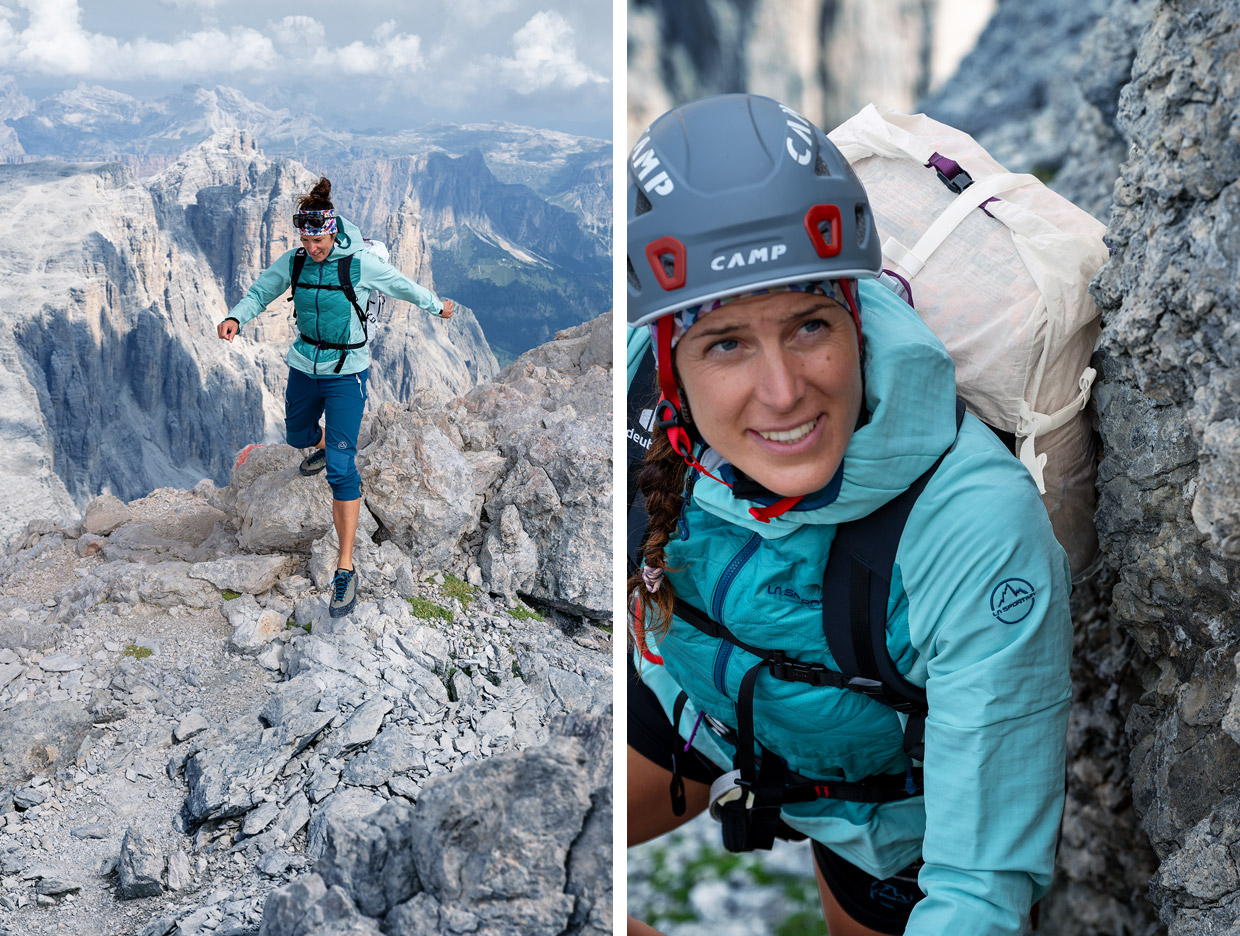
It is an especially impressive feat for the winter climbs. Can I ask you about your time with deuter and beginning to get involved in design?
You are the athlete and it’s not really possible to be a designer. So you give your input as much as you can, and maybe they accept that. Maybe some people assume that I draw the backpack and design everything, but it’s really not like that. However, I do feel that the Guide backpack is perfect. I just love it.
When I collaborate with a sponsor it’s important that I feel this partnership as a family – otherwise, if there is only occasional conversation, it makes no sense. I really enjoy working with deuter. We have athlete summits where we put our ideas and dream product ideas to them, and then they see what they can create. They’re always open to bringing new products to the market.
What’s coming up next for you in 2025?
I’m training for a bigger paragliding event at the end of July, a hike and fly competition. I’m super psyched, and everything is so new to me. Everything is always changing and dynamic, every minute the weather and the winds. It’s much more complicated than climbing a mountain because there you can say, ‘OK, I stop right now and I put my tent up and that’s it for today.’ But while flying you have no place to hide if you come into a turbulent airspace. So it’s a big challenge for me now. And one that I’m really looking forward to.
Read our 2021 interview with Tamara Lunger at sidetracked.com/fieldjournal/tamara-lunger-mountain-warrior
To learn more about Tamara and her expeditions, visit tamaralunger.com and find her on Instagram @tamaralunger.
To find out more about the Guide and Expedition Ultra packs visit deuter.com//guide-ultra-expedition-ultra
Written by Mark Bullock // @mark_bullock
Photography courtesy of deuter // @deuter