A New Direction for Orienteering
Events Field Journal Dispatches Explore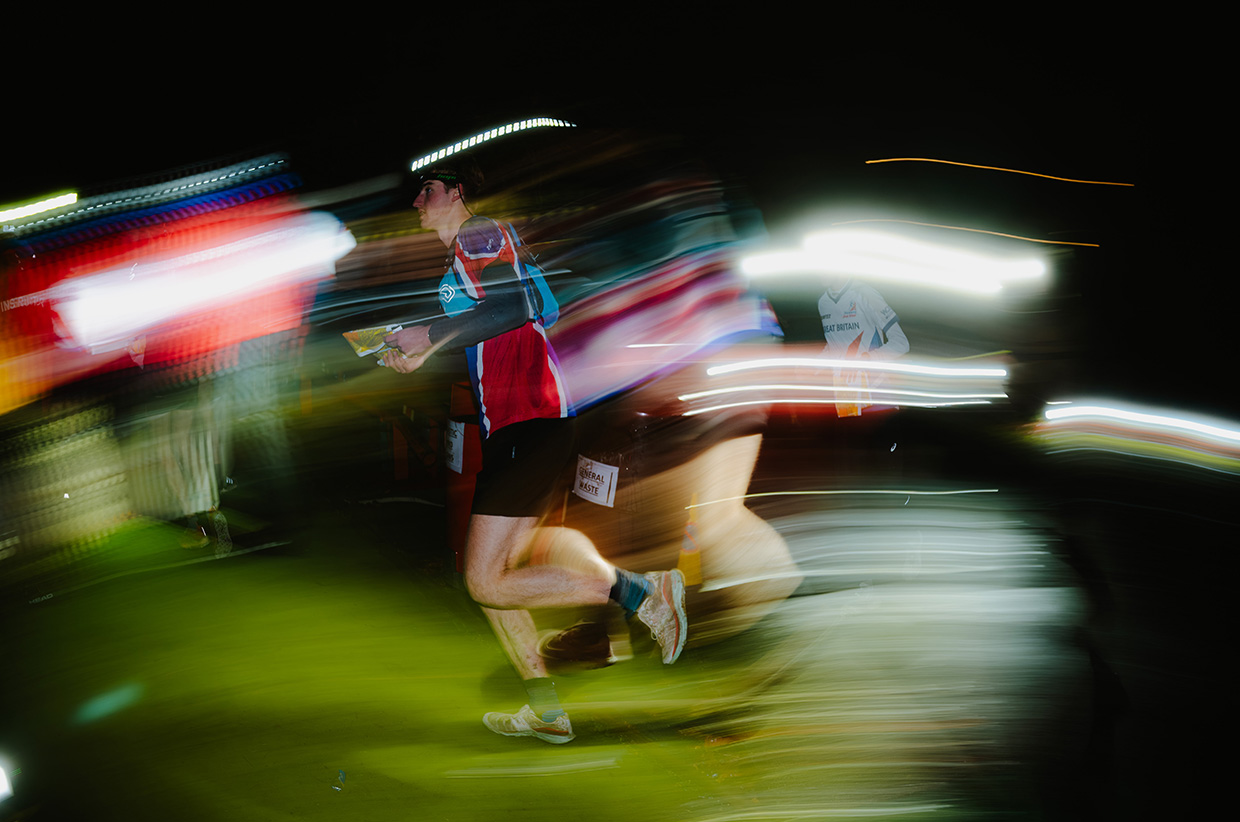
Written by Daniel Neilson // Photography by Nathan Phua
Produced in partnership with SportsShoes
For years, orienteering has suffered from misconceptions: a sport of compasses, careful pacing, and quiet corners of countryside. But this is changing. At Kendal Mountain Festival, SportsShoes and British Orienteering put on a very different kind of event – one full of surprises and fun. We spoke to Ben Mounsey and Kay Hawke about changing the perception of the sport.
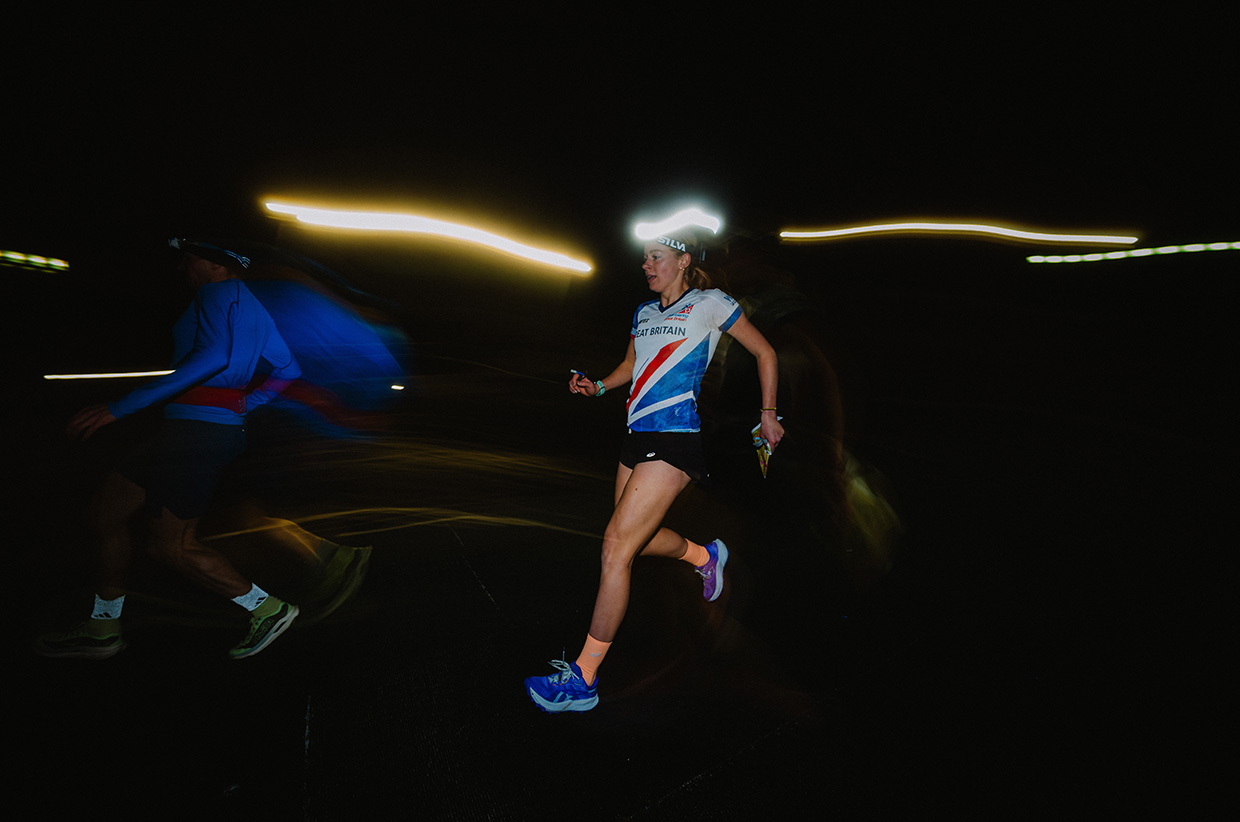
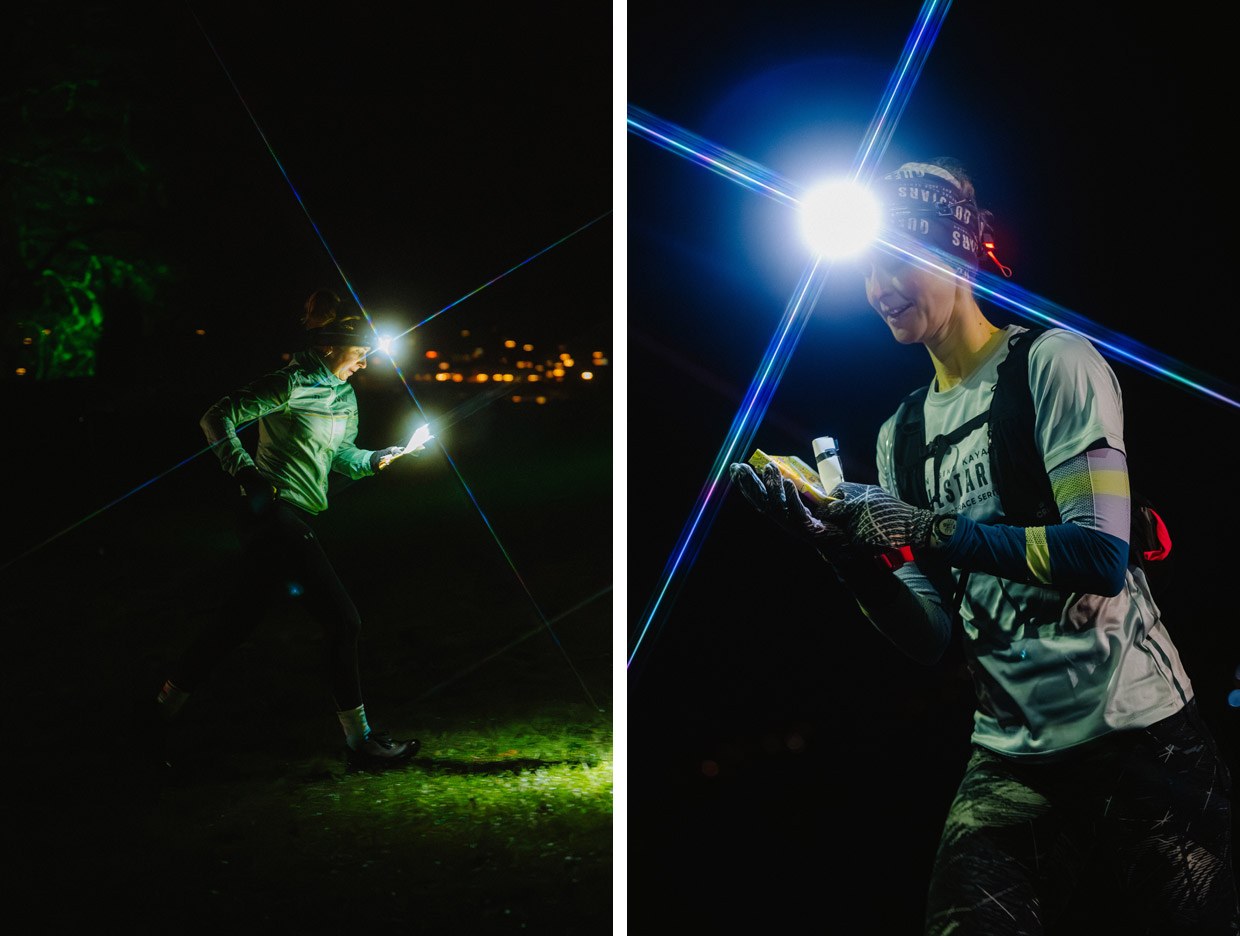
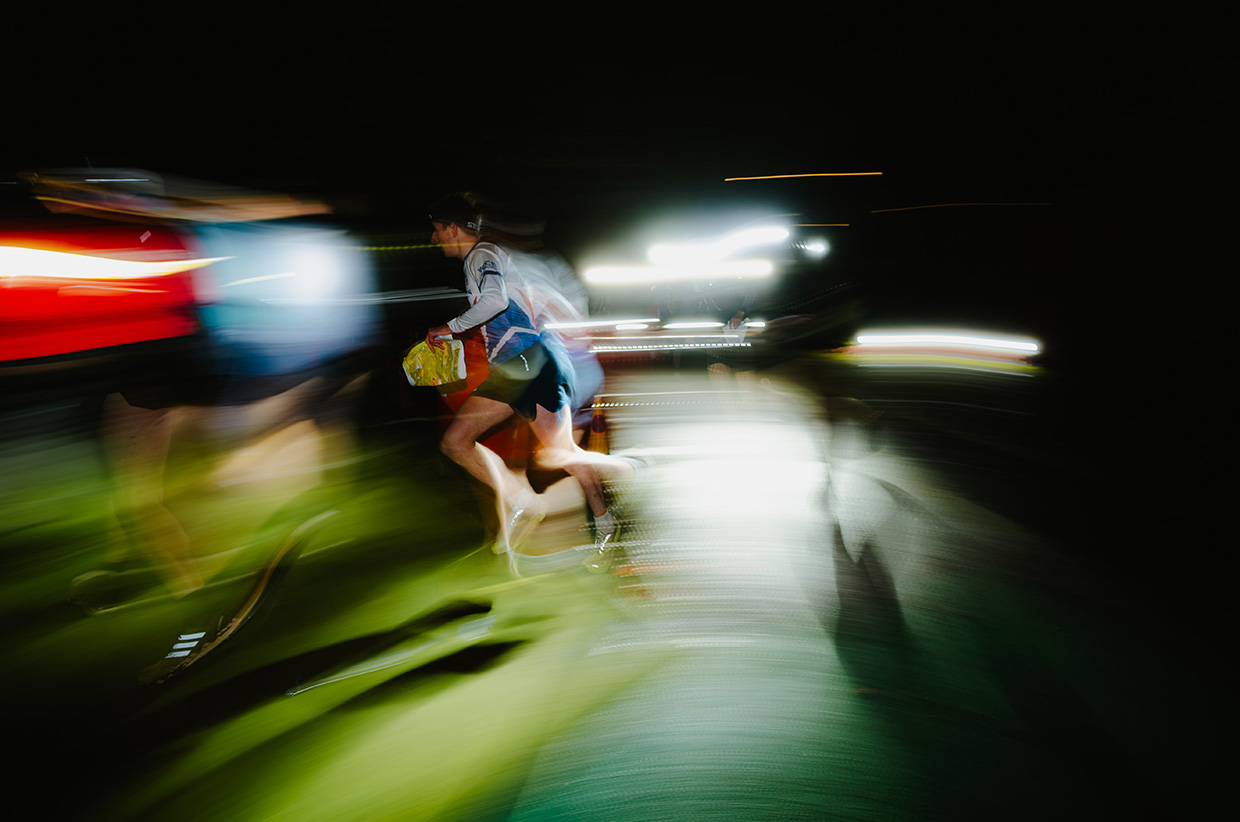
Prizes! Castle attacks! Surprises! Chaos! Cowbells! Yes, it’s adventure racing, but not how you imagine it. It’s nighttime, the music is pumping, the map you have in your hand is primed, marked, and there is treasure. X does not mark the spot, however. The starter pistol fires into the Cumbrian night, and they’re off – T-shirts against the wind and occasional downpours. The jumble of feet soon dissipates into the night.
Each contestant in the second-ever Quid Games is fighting their own race. Which of the 16 checkpoints should they visit? And in which order? Where are the big prizes? Why is the British champion going that way? Why on earth does there seem to be a checkpoint at the top of a ski slope? Yep, this is adventure racing with added prizes, music, and controlled chaos. Some may also call it orienteering. Wait. What?
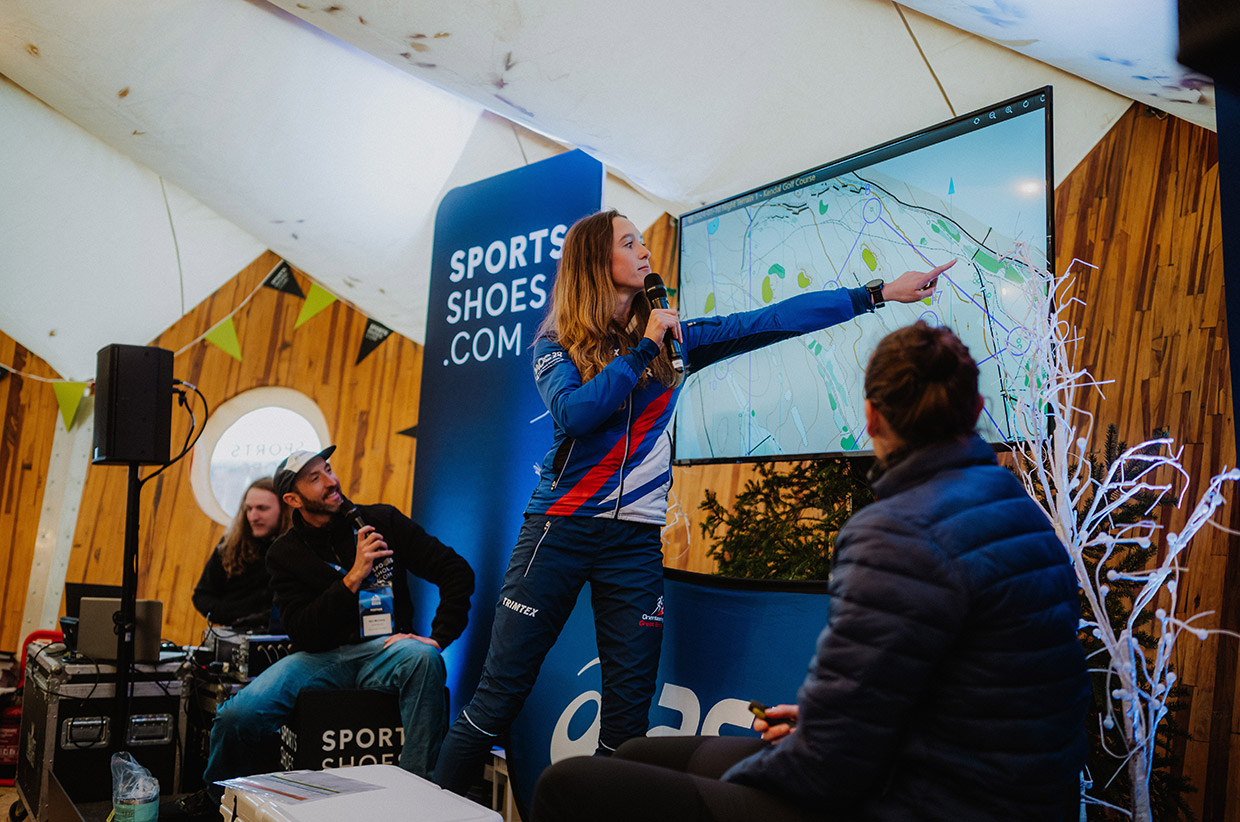
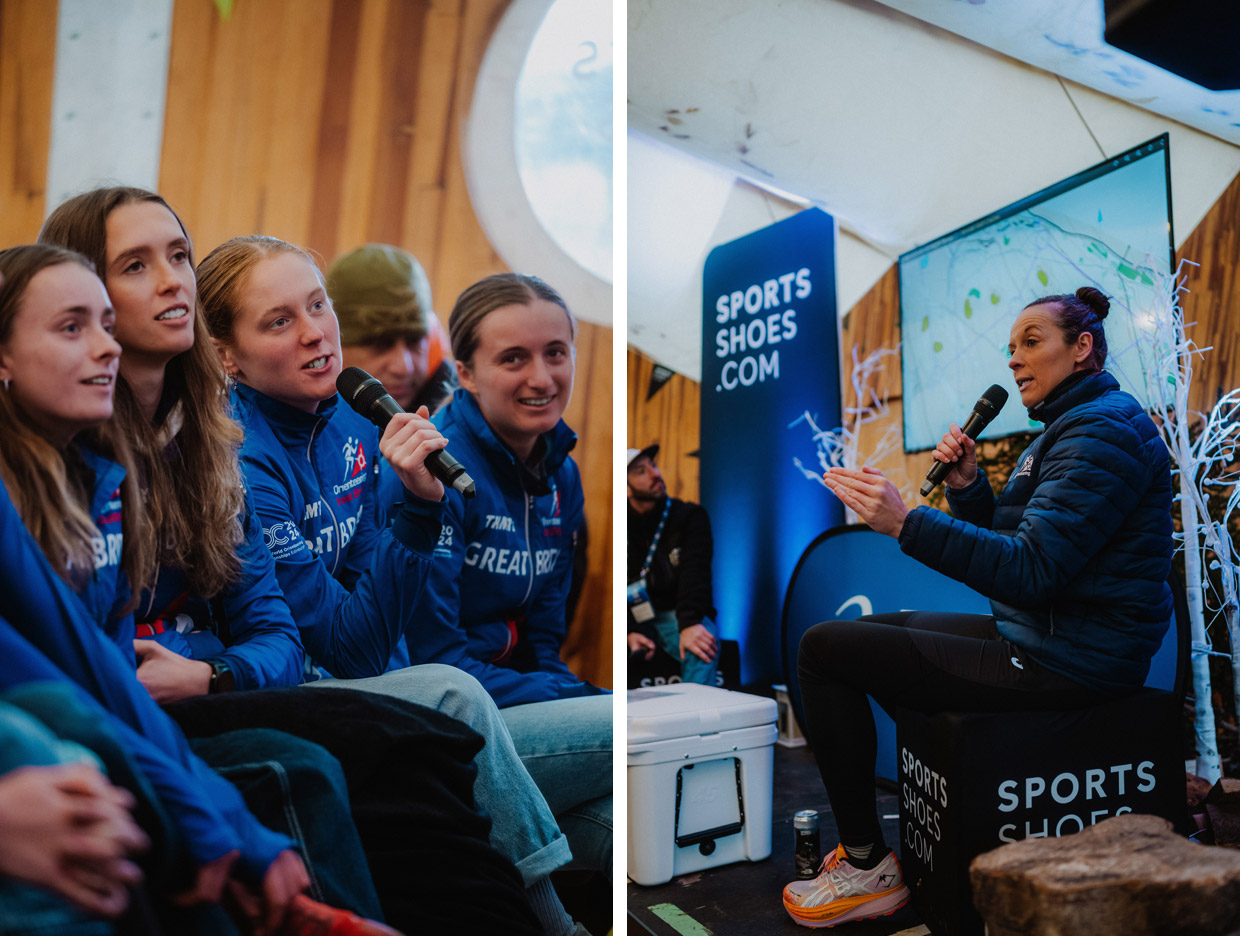
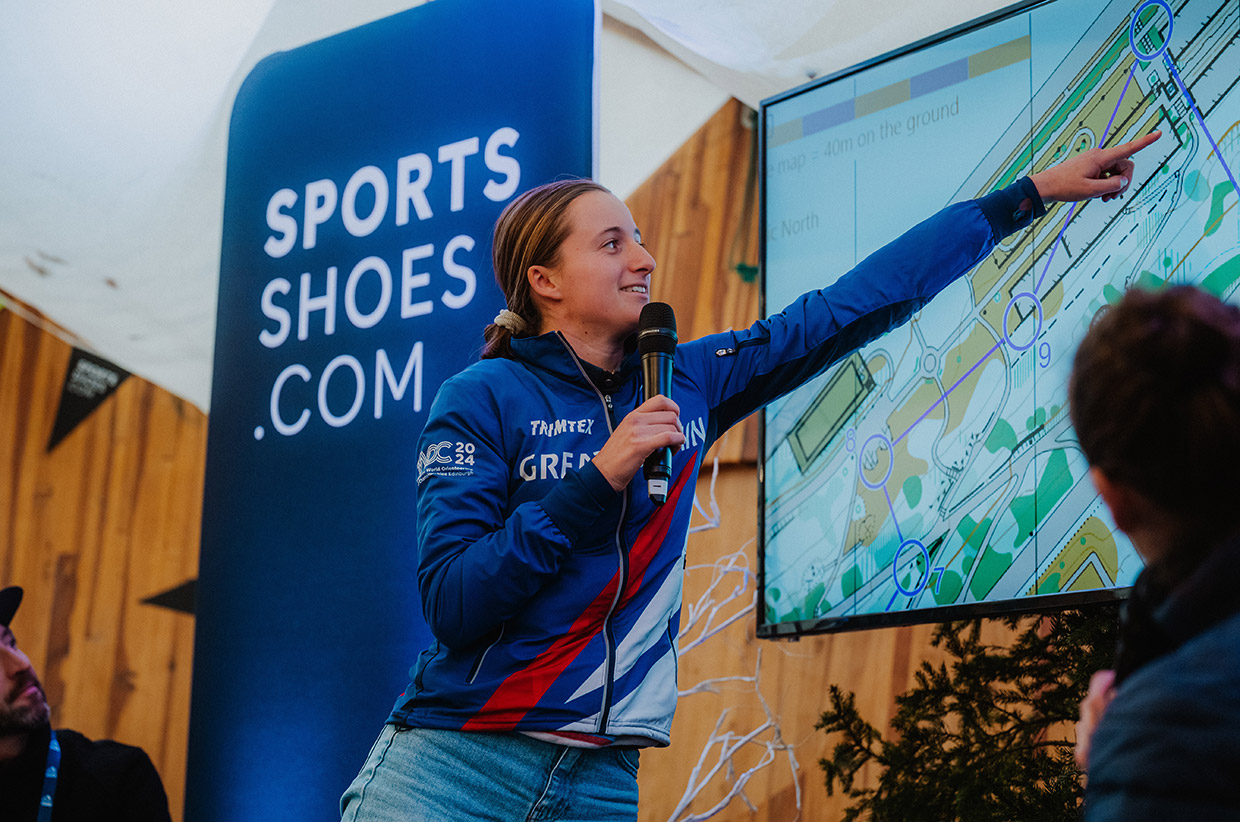
Quid Games II: Storm the Castle, held at 2025’s Kendal Mountain Festival, was conceived by SportsShoes and British Orienteering – or, more accurately, Ben Mounsey and Kay Hawke. In support: Red Bull, Silva, Garmin, ASICS, and Maurten. Hearing from Ben, SportsShoes Marketing Lead for Trail and Outdoors and Kay, Senior Partnerships Manager for British Orienteering, the aim was clear.
‘Our ambition was to put orienteering firmly on the map (pun fully intended) by creating a series of wild, unpredictable races – unique experiences that athletes of any age or ability could enjoy,’ Ben said. ‘It’s a partnership between British Orienteering and SportsShoes, built to put both the athletes and the sport first.’
The idea for Quid Games came to Kay and Ben when they met only a year or so ago. ‘Meeting Kay last year was a transformational moment in my life,’ Ben said. ‘For three decades, I did everything in my power to avoid orienteering, convinced that you needed to be skilled with a map and compass just to take part. But in a single evening, Kay completely changed my perception and introduced me to one of the most fun, exciting and rewarding sports in the world. As our friendship grew, so did our wild ideas about inspiring others to give the sport a try. And soon after, Quid Games was born.’
60 minutes. 16 checkpoints. A maximum of 200 points if everything falls into place. Nobody knows the best route. Nobody knows where the next decision will take them.
This is true of Quid Games, but also true of orienteering events that happen across the country every day, whether through parks, forests, and, increasingly, towns and cities.
Kay said: ‘The biggest issue orienteering has is either a lack of awareness that it exists, or the wrong perception of it: needing to read a compass, Duke of Edinburgh OS-style hiking trips, only old people, but that couldn’t be further from the truth.
‘Orienteering is an incredible sport – exciting, and full of unexpected moments – but far too many people still feel like it’s not for them. We need to get rid of the stigma that you have to be an expert with a map and compass. You don’t.’
New directions
For a sport often associated with quiet forests and careful navigation, this is a striking new direction. ‘The biggest growth we have in orienteering at the moment is something called sprint and urban orienteering, and it is based on towns and city centres,’ Kay said.
She described her own discovery of the sport. ‘I was a runner. I was doing mountain marathons and similar without realising that I was actually doing orienteering. I happened upon a local event in a park near me, and it was just like, oh my god, I am home within 30 minutes. I don’t have to carry all my stuff. I’m not miserable. What is this sport?’
It seems many are finding orienteering in a similar way. ‘It is a sport that many people might not know is there, but once they do find it, they do not leave.’
Then the topic turned to street orienteering, known as Street-O. ‘Street-Os are amazing,’ Kay said. ‘They happen all the time. You could race two or three times a week. A Street-O usually starts and finishes at a pub or something social. You have 60 to 75 minutes to get as many checkpoints as you can.’
Quid Games was a form of Street-O, and glancing at the British Orienteering website, there’s likely one near you. In London, they’ve even teamed up with TfL.
For Kay, the mission is indisputable. ‘Our aim is to open up orienteering, not replace it; not dilute it, but show people that you do not have to arrive as an expert. You can learn mid-race, find checkpoints by instinct, and surprise yourself with what you are capable of.
‘More people are discovering the sport. More runners are stepping outside familiar territory. And the word “orienteering” is getting spoken in new circles and is not a word to be frightened of. It is the original adventure sport.’
For more information about orienteering, visit britishorienteering.org.uk.
Written by Daniel Neilson // @danieljneilson
Photography by Nathan Phua // @nathanphua & SportsShoes // @sportsshoes
Produced in partnership with SportsShoes // sportsshoes.com