SalzburgerLand
Inspiration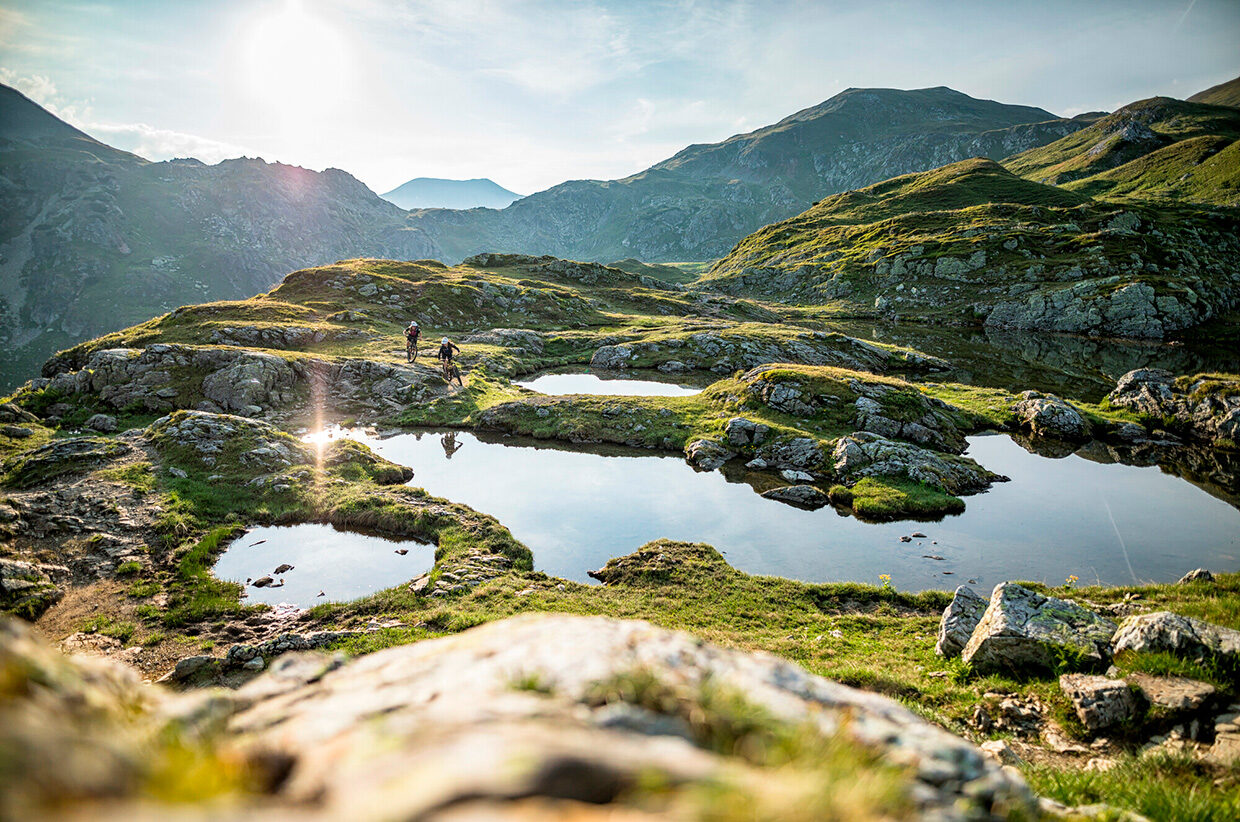 Photo: Andreas Meyer // Visit Austria
A Destination Guide
Written by Megan Brownrigg
Produced in partnership with Visit Austria
SalzburgerLand penned the contours of the Austria we hold in our minds. Quiet, heavy snows dust red huts in winter. Wildflowers inkblot meadows in summer. Connecting its peaks and valley floors are the region’s visionary Alpine trails for hikers, bikers, runners, and skiers alike. The footprints of Mozart meld with the echoes of the Von Trapps in these mountain passes where fairy tales can, just this once, feel real.
With its stellar cast of subregions, SalzburgerLand consistently provides. From its natural assets, such as mountain valleys studded with crystal lakes, sculpted gorges, and wavy grass pastures, to its curated pockets of culture featuring award-winning cuisine, music, and Alpine skiing, many worlds collide in SalzburgerLand. You’ll likely know the region’s world-renowned links to Mozart and The Sound of Music, but did you know it hides the sleepy dwelling where ‘Silent Night’ was first performed? Or the ultra-trails that cross the top of the Alps – twice?
MOUNTAIN MEETS WATER: ZELL AM SEE-KAPRUN
Lake Zell, embedded within its green surrounds, glints dark blue in the valley floor. This freshwater lake, popular with stand-up paddleboarders and swimmers, sits in the heart of some of Austria’s best hiking and biking trails. These routes are extensive: over 400km of hiking paths and 2,000km of cycling routes, the most brazen of which can be reached by a network of cable cars. It would be rude not to let Lake Zell cool your limbs after your physical efforts.
The lake is flanked by the town of Zell am See, around which you’ll find clusters of enticing chalets. In winter, these archetypal huts beckon you for steaming cups of something and slow afternoons on window seats. When topped with snowfall, the sanctuaries offer respite after a day skiing, snowboarding, or hiking the nearby glaciers. In summer, they offer cool porches shaded from the high sun, and fresh produce from the surrounding pastures. In your hunt for something sweet, make sure to venture to the Alpz Cafe for some of the best ice cream in Europe. For savoury in Zell Am See, try the heartily welcoming Restaurant Kupferkessel, whose owners befriend travellers year on year. Other huts offer selling points such as making their own teas and cheeses, or fireplaces whose embers glow orange throughout the colder months.
As the Hohe Tauern National Park’s only 3000m peak, the Kitzsteinhorn and its glacier dominate Zell Am See’s skyline. At its summit, the sky offers a cinema without screens at the Top of SalzburgerLand – the Gipfelwelt 3000, a panoramic platform that, depending on the season, pokes you into the ceiling of snowy mountains, or places you on the tiptoes of SalzburgerLand’s green pine forests. Meanwhile the Wüstlau Biking Trail at Kitzsteinhorn plunges from the Häuslalm into a white-knuckle forest descent. It’s a course of tight curves, elevated turns, and rogue rocks and tree roots to keep things spicy. If you are on foot around Zell am See and Kaprun, Schwalbenwand is a 13km circular route with sweeping postcard views – and a summit experience with 977m of ascent. For those of us who like to slide down hills on our bums, there’s an all-year-round toboggan run.
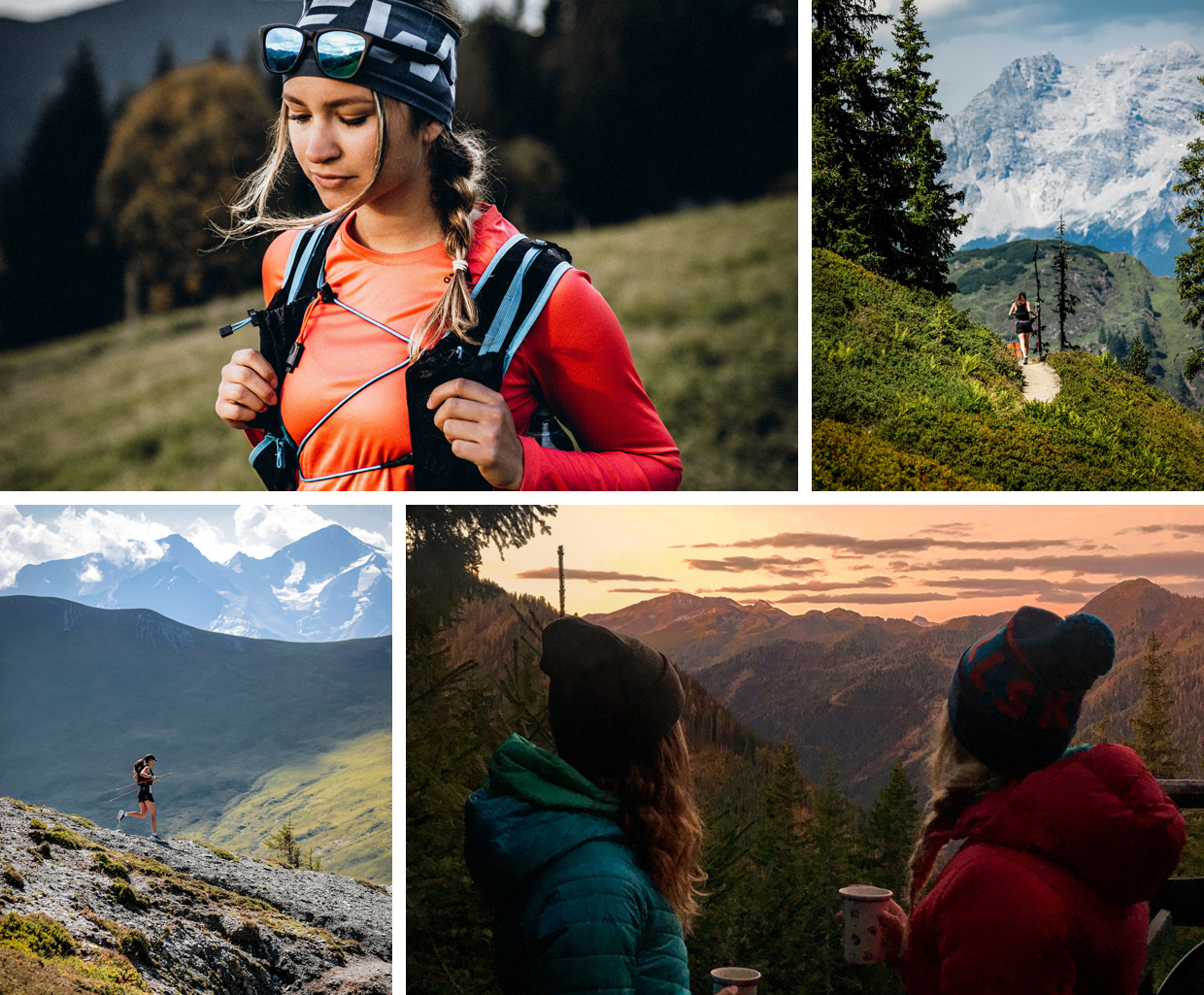
To keep things a little more calm, sunsets around this area should be spent atop Mitterburg mountain, evenings listening to Alpine horn groups with locally brewed beer, and nights off in the Tauern Spa’s thermal spring baths.
THE BLACK MOUNTAIN: GROßGLOCKNER
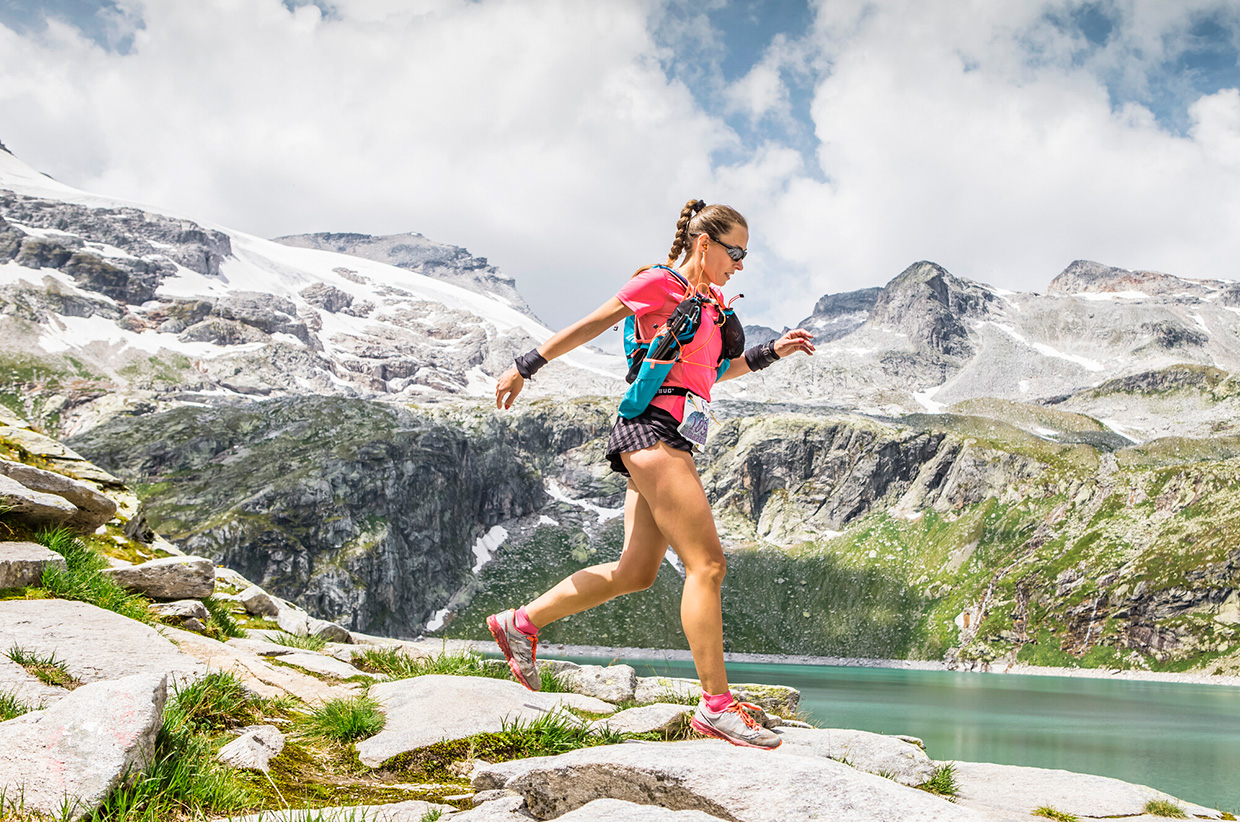
The highest peak in Austria has its own microclimate of adventures. Just one of these is the demanding Großglockner Ultra-Trail. This annual 110km pilgrimage sees runners cross the Alps twice, along 7 valleys and 14 glaciers. Whilst the 3,798m summit has a gravitational pull for serious mountaineers from all over the world, its surrounds are also flecked with accessible trails as well as adventure playgrounds for the kids. The Gamsgrube Trail is a great way to see the glacier scenery of Pasterze, and will let hungry eyes absorb views of the moraines in the space of two hours.
The black mountain’s turf also plays host to Austria’s most coveted stretch of tarmac: the Großglockner High Alpine Road. In 36 hairpin bends, the route oscillates around steep green pastures like a dropped slate ribbon. Running 48km from Salzburg to Carinthia, this road’s crown of mountain crags is capable of creating a wind tunnel like no other, assaulting the senses of any passenger. Whether driving or pedalling, every traveller wants a slice of this road, which plays host to an annual Vespa rally and regular tractor gatherings. For optimal conditions – and to guarantee it’ll be open – plan a venture here between May and October.
FOR NATURALISTS: KRIMML WATERFALLS
Unbridled whitewater hurtles 380 vertical metres to its rock-green floor at Krimml, Europe’s largest waterfall. Against its mountain backdrop, this surging spectacle has to be felt as well as seen. Feel Krimml’s flying spray skate over cliff faces on the nearby trail before its droplets tickle your nose, providing actual health benefits too. Cloaking pine forests below, the falls’ ethereal mist teases stillness. But the thundering soundscape always wakes an image of Austria in the mind of the beholder.
It’s worth ascending the trail to the top of the falls, but a viewing terrace can also be found at its base, in Krimml Worlds of Water. The centre is full of immersive exhibits for budding naturalists to take a day studying nature. These include the Wilhelm Swarovski Observatory, where visitors can marvel through telescopes at the force of the falls, as well as spot elusive wildlife like golden eagles and ibexes.
ENDURANCE HIKING: SAALBACH
The Kitzbüheler Alps blend with the green pastures of Pinzgauer in Saalbach Hinterglemm, making it a top spot to hike. Most people will choose to leisurely plug at their own routes using the well-formed trail system, but the restless might tackle the Saalbach Hiking Challenge. Combining three long distance routes, to be completed separately, the challenge involves 3,800m of ascent across 65km. Rightfully so, those who manage it receive a trophy.

SKIING: SNOW SPACE
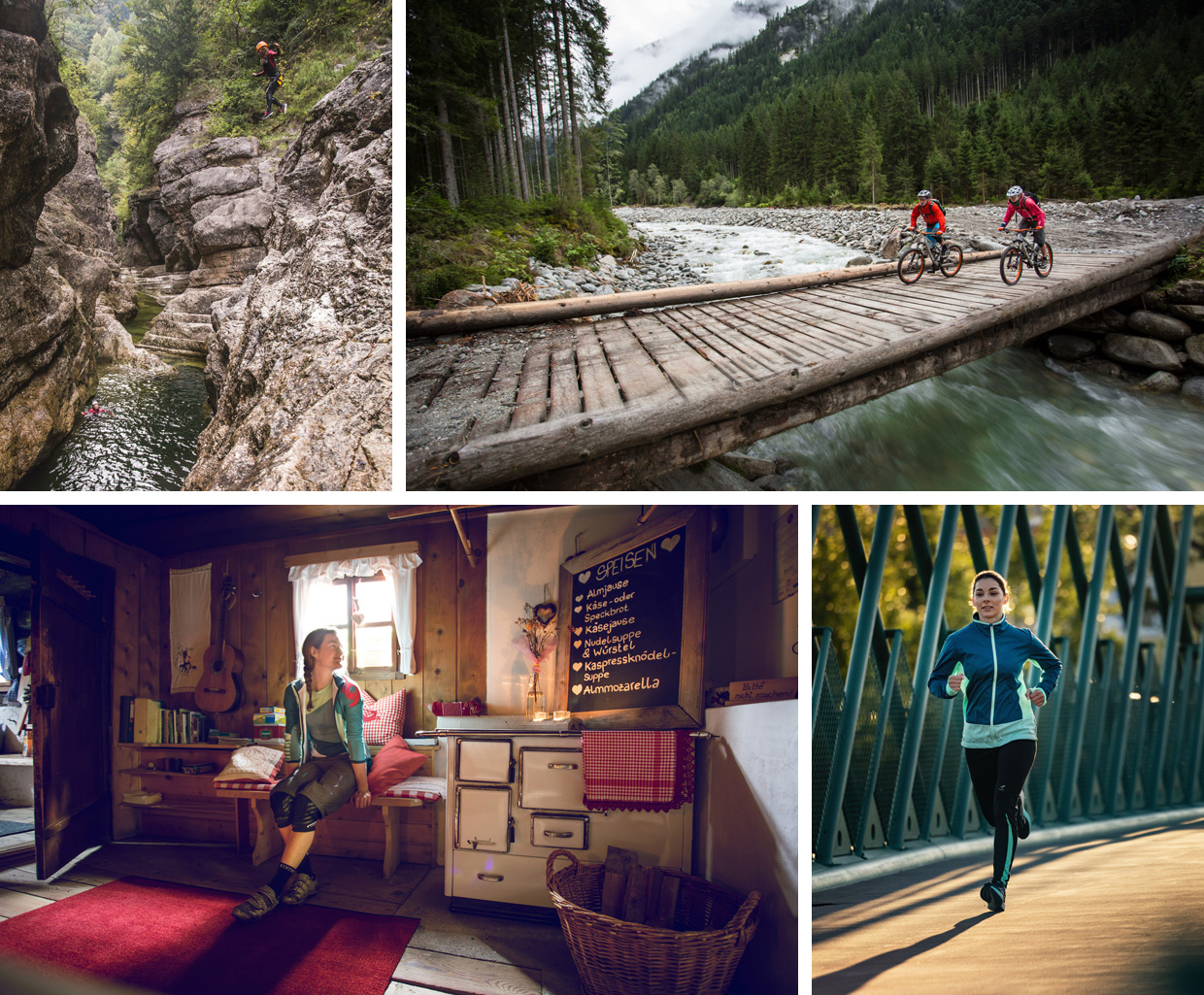
Being spoiled for choice is a skier’s biggest problem in SalzburgerLand, with enviable slopes in almost every subregion. Luckily, just two ski cards can open up 2,780km of well-crafted pistes and 934 cable cars, with cross-country routes wending their way between various valleys.
Whether you’re a slope shredder or pleasure skier, the Snow Space Salzburg is a prime place to head on skis and snowboards in SalzburgerLand. Over 200km of pistes snake around areas including Flachau, Wagrain, and St Johann im Pongau. The latter is home to the Geisterberg, or Ghost Mountain, where children will find everything from witches to dragons in its realms of earth, wind, fire, and water. Drachi’s via ferrata also tempts small but bold explorers.
St Johann knows how to après-ski and après-any-adventure, really, with rustic Alpine lodges, some of which offer experimental vegan cuisine ahead of the rest of the region – as well as a handful of designer outlets and bakeries inviting responsible adults to take an indulgent slice of self-care.
HUT HOPPING: HOCHKÖNIG
Buttercups and blueberry fields carpet the feet of the Hochkönig massif, which boasts the highest mountains in the Berchtesgaden Alps. With its namesake peak reaching 2,941m, this chain of sculpted limestone offers 340km of hiking trails and plenty of biker’s adrenaline in another 545km of paths. The best part of any pursuit is often fantasising about the food you’ll eat afterwards. The Hochkönig Herb Hike exemplifies this perfectly. Orchids and clover candy the air in Hochkönig, Austria’s only certified vegan region, but amongst them grow medicinal nettles, yarrow, and arnica.
Linking up 16 of the region’s huts and herb meadows between Maria Alm, Dienten, and Mühlbach, the ‘Ach du grüne Neune’ hike (or trail run) exhibits this natural mountain herb garden through its various farms and restaurants. In a world where we’re often so disconnected from our food sources, there’s something revitalising about passing wild tendrils of valerian before learning, and tasting, how they nourish us. Children can also enjoy smaller stages of the herbal hikes, and are often seen gathered in meadows to learn how to make teas and salves with whatever they forage.
It’s not all herbals, though. The Bürglalm hut is rumoured to serve Europe’s best Kaiserschmarrn (Emperor’s Mess), a sumptuous shredded pancake dish. And in September, there’s a dumpling festival in the region. Enough said


CYCLING AND JAZZ: SAALFELDEN LEOGANG
You pack away the bread and cheese, take one last glimpse at the grey chiselled peaks in the distance, and turn your attention to your bike. One last swig of water. Clip in your helmet and release the brakes. Slowly at first, the bike rolls forward and then gradually picks up speed along the singletrack. The sun flickers through the trees, tyres speed over roots, and then the trail opens up again to reveal the granite rock faces and Alpine meadows that dominate the views around Saalfelden Leogang.
The area is known for its ski slopes, but after the snowmelt, these become the nerve centre of a mountain biker’s imagination. Long white ascents transform into grey and green valley plunges, in the EPIC Bikepark Leogang which forms an ever-growing network of downhill runs dedicated to mountain biking. Lifts and conveyor belts take bikers of all levels to beautiful spots across the mountain and drop them down flowing trails. Experts relish the jumps and steep drops, while beginners of all ages learn skills on the lower slopes. The bikepark regularly hosts some of the most prestigious mountain biking events in the world.
In August, a great way to decompress from a day riding grass and gravel is the Jazzfestival Saalfelden. Whether you prefer raucously dancing in a raw and hectic celebration of music, or slowly swallowing each note whilst sat-down with a glass of wine, you’ll find something at this festival. A hotspot of global jazz talent, the festival’s diverse programming includes everything from concerts in the city to gigs in the forest, with musical vibrations that match.
THE CAPITAL: SALZBURG
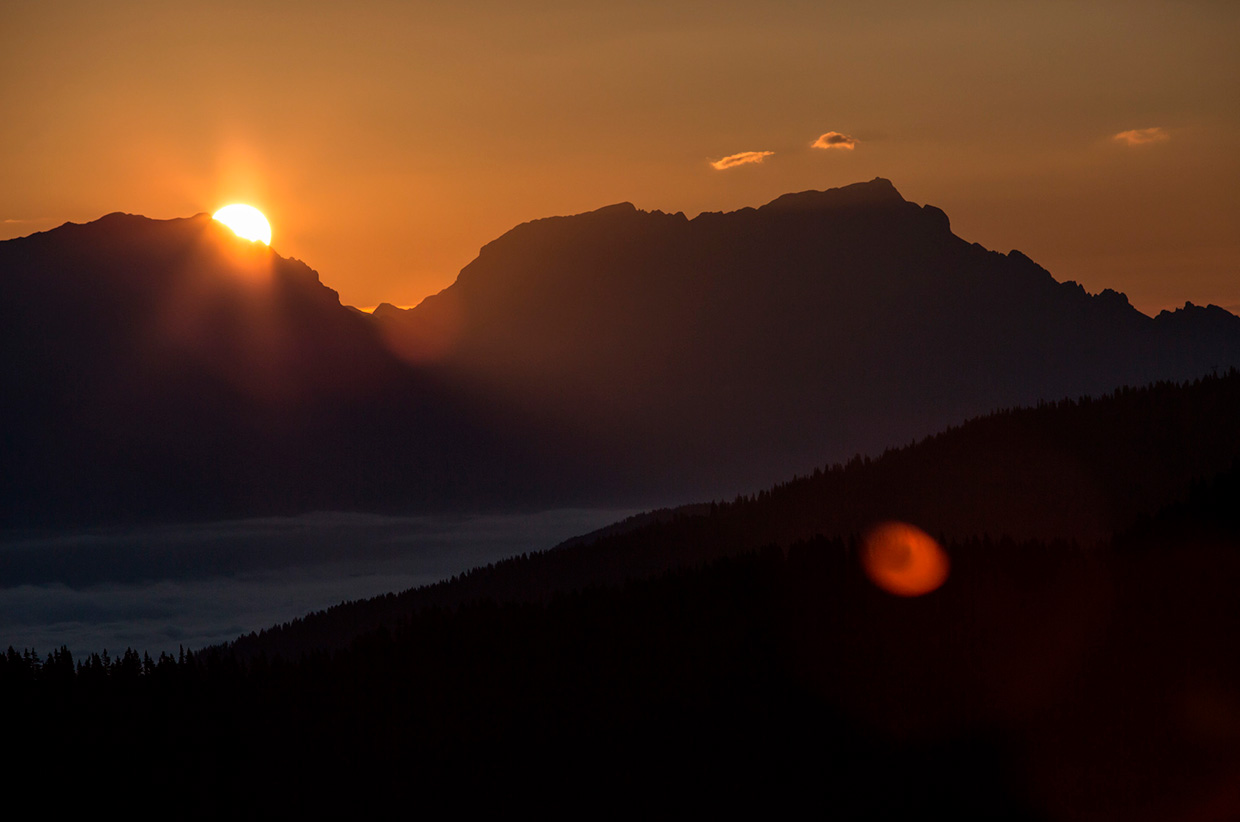
You can’t hear SalzburgerLand without thinking of Salzburg, the arresting city sat in a bowl of mountains. Turquoise domes and lithe spires wink soft light against its cliff top fortress in twilight, as the Salzach River laces around humming clusters of concert halls and palaces. Salzburg is disarmingly beautiful. Historically a standalone city state ruled by archbishops, it wasn’t until the 19th century that Salzburg became part of Austria.
The city is of course famed as the birthplace of Mozart, and home to The Sound of Music. True to these roots, musical lilts still spill between buildings every day of the year. Opera singers fill Salzburg’s concert spaces. Buskers serenade every street. Half an hour away, in the smaller city of Oberndorf, is the spot where the carol ‘Silent Night’ was first performed. Flawless serenity meets an incessant excitement in Salzburg, and this ‘Stage of the World’ hosts over 4,000 cultural events every year.
Salzburg has been a World Heritage Site since 1997. Historically a Roman stronghold, the city was perched on a road linking northern and southern Europe, and was built to be intimidatingly beautiful. Curvaceous Baroque features marry with the opulent symmetry of Italian Renaissance influences, such as the city’s squares. A spectacle of strength and wealth, the Mirabell Palace and Gardens is a good place to take in the chapters of Salzburg’s story. You can also visit the pristine gardens of Schloss Leopoldskron: a renowned gathering place for writers, composers, and other creatives, and home to the unbounded blue lake of The Sound of Music fame. As you explore this city on foot, the medieval Festung Hohensalzburg (fortress) and well as the surrounding mountains will keep your bearings for you. Meanwhile the Old Town acts as an ode to Mozart with its various tours and exhibits, including the house where he was born in the Getreidegasse.
Whether you’re hunting for places to eat and drink in the height of Salzburg’s summer or during the twinkle of its Christmas markets, you won’t go hungry or thirsty. 13th-century beer halls and breweries pepper the city, as do artisan food producers ready to share the best of Austrian cuisine from its various corners. Linzer Gasse is a great area for quieter restaurants and cafes, and a local tip-off for the best cake is Cafe Fingerlos. But our best advice is to wait for your feet to tire and follow your nose. Organic, tasty, and traceable produce can be found in almost any of Salzburg’s nooks. Let yourself get lost.
Find out more about our own adventures in the region via our story, Finding Balance.
Written by Megan Brownrigg // @brownriggmegan
Produced in partnership with Visit Austria // @visitaustria // #feelaustria // austria.info