Seatrekking
Gear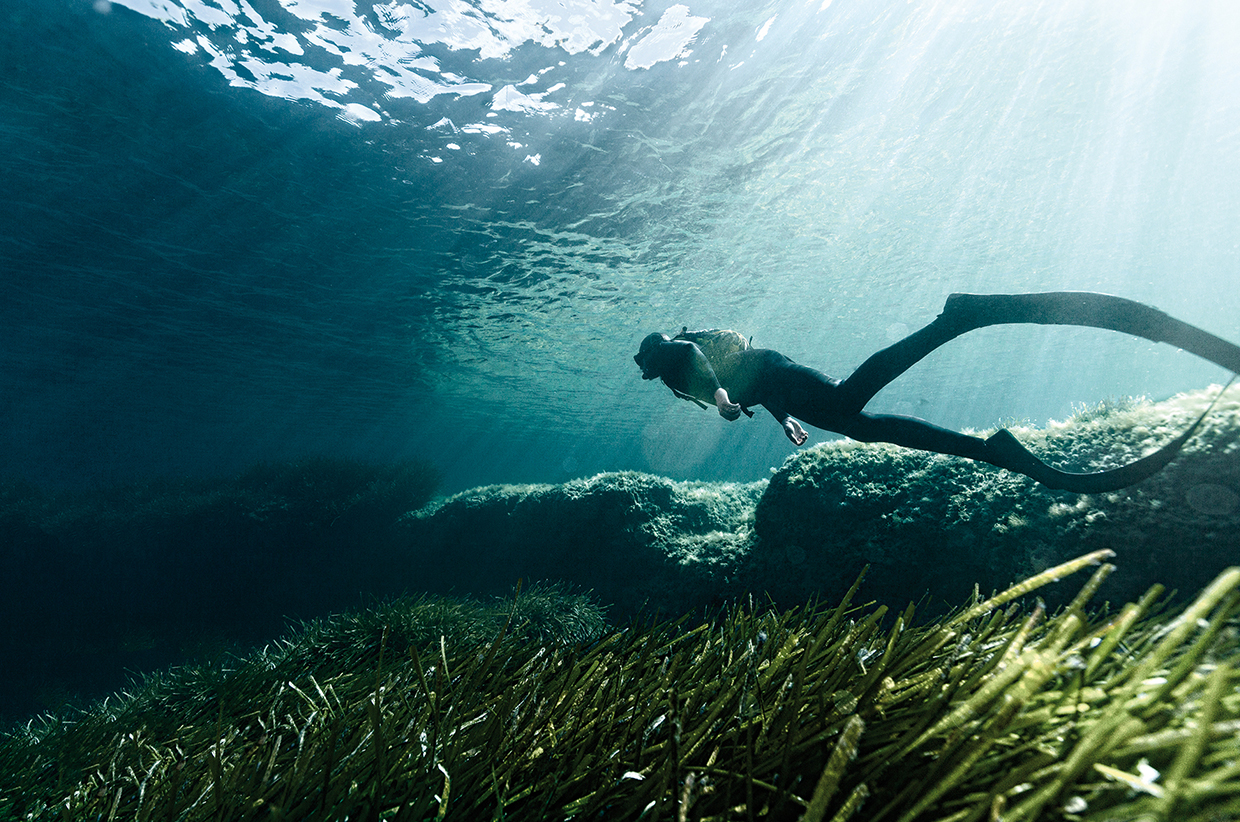 Photography by Cedric Schanze
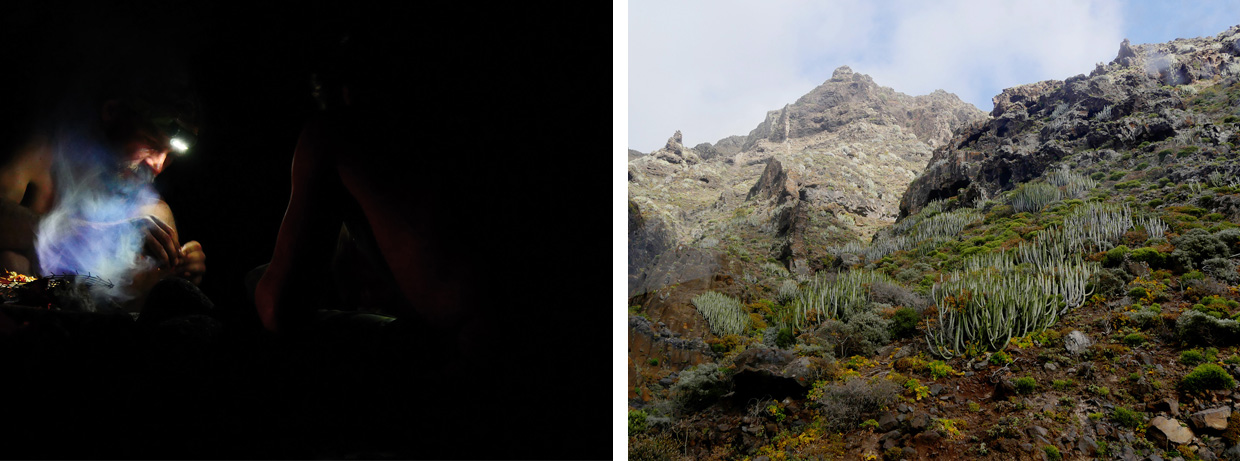
‘We travel along the coastline for several days. All we take with us fits in our waterproof and floatable Big Pack. Reduced to the minimum, we set out to explore nature. We dive down into the deep blue ocean and swim along wild cliffs, reaching out for untouched beaches where we spend our nights under the clear sky.’
Seatrekking is a relatively new pastime, often a multi-day exploration of the sea along a coastline and camping on land. To learn more we spoke to Martina Schlüter of ÁETEM, a small company that makes dry bags specifically for sea trekking.
What exactly is seatrekking?
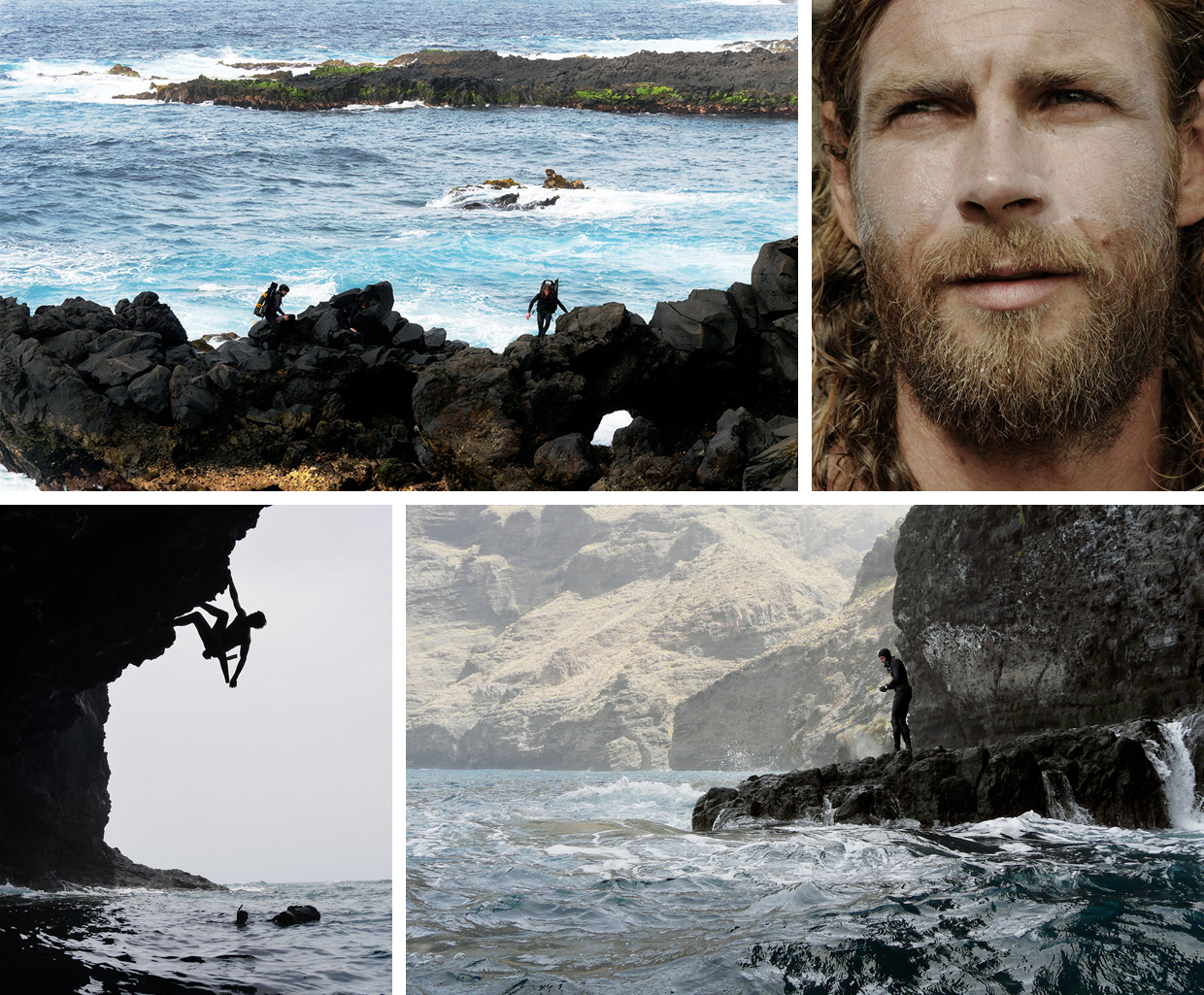
Seatrekking means travelling a route, snorkelling and free diving. We travel along the coastline, above and below the water surface, and spend our nights ashore under the stars.
Did the company evolve out of the love of it?
Yes, ÁETEM was the natural result of this passion to spend as much time as possible in wild nature, free diving and swimming through the sea and discovering it, while completely immersed in nature.
My friend Bernhard Wache, who is the founder of this new outdoor adventure, started going on his own trails in 2000. We became friends during our studies and shared the love for visions and projects that allowed us to set ourselves free while being in nature.
As there was no equivalent luggage on the market that not only kept the dry stuff dry and away from the wet gear, but would also easily float in the water, Bernhard started building his own gear. He used existing waterproof bags, cut them in parts, added a more professional carrying system and other details he knew where necessary and then tested the bags on his trails. He gathered experience about what specifically light equipment and foods to take with, how to plan a trail in advance and what to do when finding yourself in more dangerous situations. With the support of his friends (Leopold Loitfelder and Oliver Weikamp) and the experience of engineer Peter Habich, the guys finally developed a unique waterproof seatrekking bag (named ‘James C.’ after explorer James Cook). Now we were able to travel in the water and on land comfortably. Seatrekking was born. Together we founded ÁETEM in 2013.
What do you personally get from being in the water?
To spend hours in the ocean and on its coast, you set yourself in this zone of tranquillity and clarity. The ocean sets you free from yourself. It takes you in and washes everything away. It’s like the return to point zero.
The sea water itself has an impact on my body, and moving through its deep blue coastal zones makes me feel both completely free and at home simultaneously. It’s the element where we all come from and I feel a particular connection to it.
What has been your most magical experience?
To look in to the eyes of a 3m baby sperm whale and feel connected to ancient times, to the story of these creatures and our own. A magic experience of oneness, and the most exciting moment in my life for many years. This little one had been lost – maybe his family had gone fishing for a giant squid in the abyss right in front of the coast where he was now drifting – calling out for his mother in sounds I had never heard before. I had this deep empathy for him.
Many years later I was swimming in the Red Sea when we encountered seven dolphins. I remember the joyful energy they spread all over. They were making love while swimming by and it seemed they were laughing all the time. They left me with a huge smile on my face which stayed for the rest of the day and an immense feeling of joy.
How can it help our understanding of the challenges that the sea faces?
Seatrekking allows you to stay in the sea for longer periods and really face the whole ecosystem. It helps you to experience the conditions of the sea and its inhabitants directly, its uniqueness but also its fragility. You really do care if there are no animals to discover or if there is rubbish on the beach where you want to sleep and eat.
We often do beach cleanings when we arrive on a wild beach. As you really live with the sea over several days (or even weeks), you start feeling part of it. People who decide to spend that much time in the sea really must love it, otherwise they wouldn’t do it. And what you love, you usually care for, right?
I hope this experienced inner connection opens people up to the other ecological problems we face, yet which might not be as visible sometimes – like microplastics, sewage, and warming temperatures.
What is your next trip?
I recently moved to Marseille, France. So I am planning to go on a seatrekking trail in the beautiful Calanques area, a Natural Parc with high cliffs and deep waters. No bivouac is allowed, so – with a friend from Paris, who already knows the area – we will look for other solutions for how to spend the nights. Together with a couple of Greek divers we are planning to do a trail in between some Greek islands and sleep on a sailing boat at nights. I am very much looking forward to this trip, as I love the Greek islands but haven’t been there for more than 20 years.
And finally I am planning to travel to Vesterålen, Norway, this summer to meet a young woman, a surfer who is keen to become seatrekking guide. The landscape must be amazing, and even though the temperatures are not my favourite the good news is that bivouac in Norway is allowed.
How many more people are also seatrekking?
I know about 50 people who go on their own trails, including people in Japan and New Zealand. So far, most are in Europe.
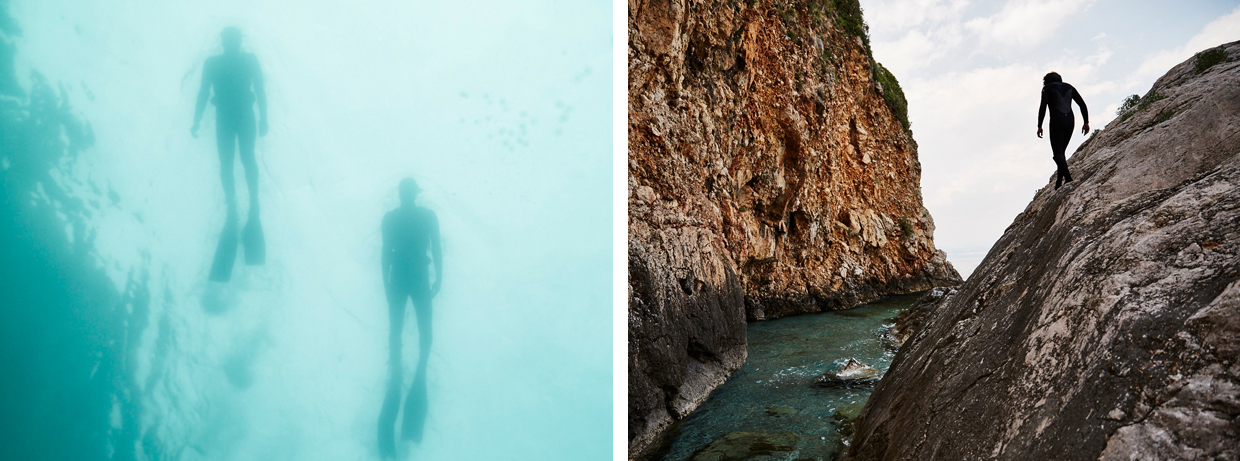
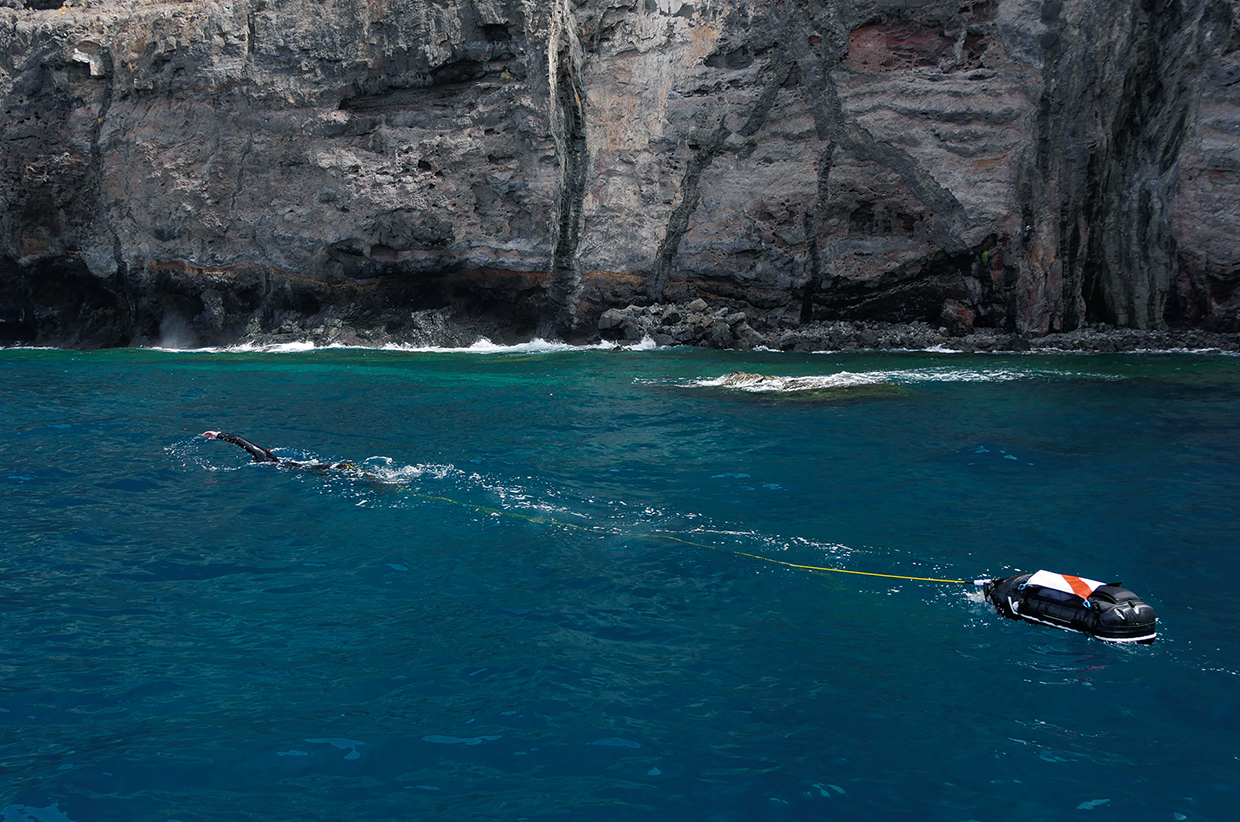
Photographs by Martina Schlüter
To learn more about seatrekking, visit en.aetem.de.
Website: www.martinaschlueter.com
Website: www.cedricschanze.com