The Bigger Picture
Gear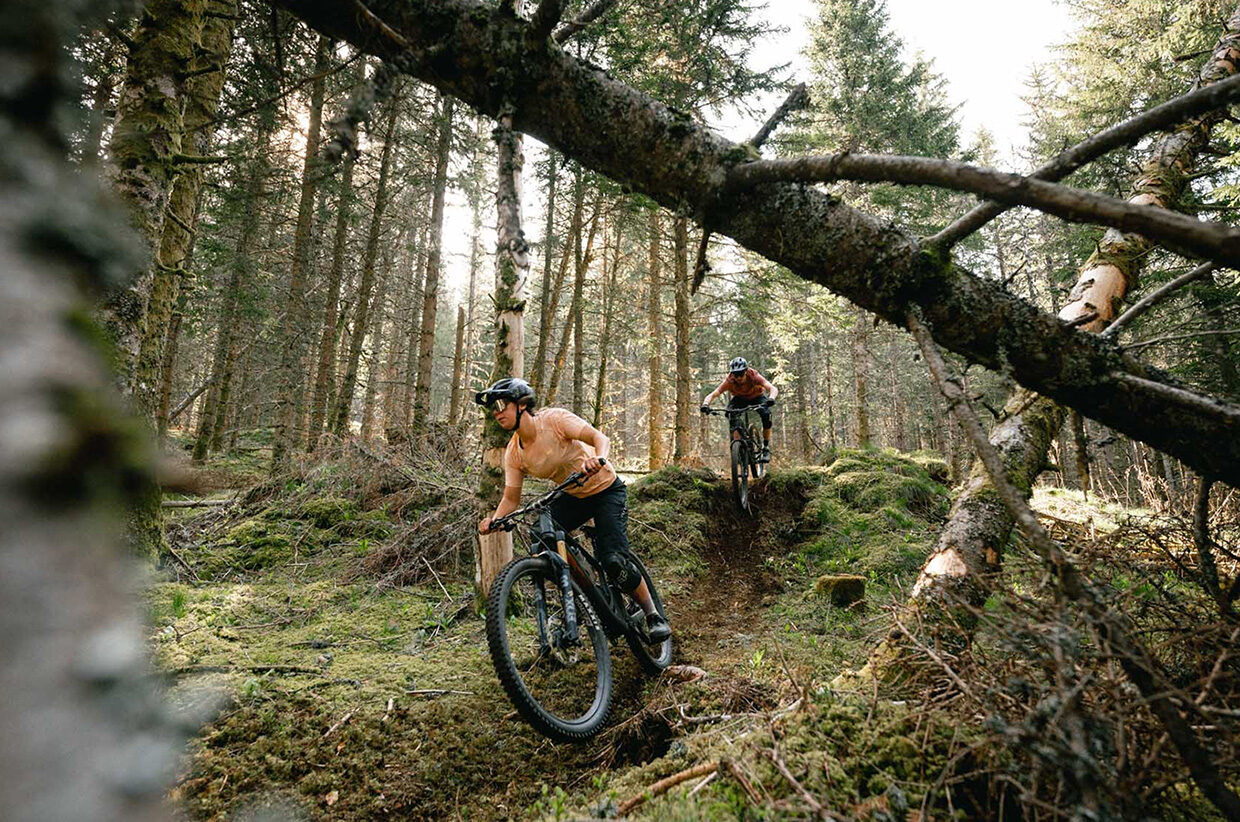
In conversation with Florian Palluel, Picture’s Sustainability and Transparency Manager.
Written by Harriet Osborne // Photography courtesy of Picture
As Picture launches its first circular programme and mountain bike collection, with garments made from fabric scraps and used clothing. We chat to Sustainability and Transparency Manager Florian Palluel about why looking at the textile industry as a whole has focused their attention on making the biggest impact where it matters most.
If the fashion industry were a country, it would rank third for carbon emissions after China and the United States. ‘These are statistics that cannot be ignored,’ says Florian Palluel, Sustainability and Transparency Manager at Picture, who helped the outdoor and action sports brand to become B Corp Certified in 2019. ‘Being transparent as a textile brand is part of our sustainability commitment – we say things that other brands don’t – because this truth highlights our limits so we can push past them.’
It’s been 15 years since Picture was founded by three friends, Julien Durant, Jérémy Rochette, and Vincent André, in the foothills of the Massif Central mountain range in France. Since then, the brand has committed to a never-ending sustainable innovation policy: producing collections from 100 per cent recycled fibres, organic cotton, or bio-sourced fibres such as Tencel – a renewable, compostable, and biodegradable organic material made from FSC-certified wood – as well as driving their repair and rental schemes. And now, Picture is proud to launch its first circular programme for SS23, The Circular_, making all technical clothing pieces from existing fabric waste within the textile industry. Picture’s circular garments are made of 60 per cent fabric scraps from factories in China and 40 per cent used clothing.
The move is part of the brand’s vision to move the whole textile industry away from oil-based materials like virgin polyester. ‘Fossil fuels have to stay in the ground if we want to not overshoot 1.5°C,’ Florian explains. ‘The more oil we extract, the further away we are from our climate objectives.’ How does the quality of circular polyester compare to conventional polyester? ‘Nothing changes. Whether conventional, recycled, or circular, polyester granules are chemically the same.’
Within The Circular_ programme is a new line of technical mountain biking clothing, combining the brand’s performance and design DNA in jackets, tech tees, trousers, shorts, and accessories for men and women in colours inspired by aerial views of the Alps. ‘From skiing to snowboarding to surfing, the idea of drawing your own line while leaving no trace has always been the credo of Picture,’ says Picture co-founder Julien Durant. ‘Extending our expertise to the world of mountain biking was an obvious continuation to enable our community to ride, protect, and share all year long – without compromising on sustainability, quality, or durability.’
The entire collection is built with the active consumer in mind, with technical expertise developed from the hiking range that delivers on circularity, efficiency, and comfort. One of the key products within the collection is the Granity Jacket, which features a 2.5-layer stretch shell with a 10K/10K waterproof and breathable membrane to protect the rider from the elements. The jacket is made with recycled polyester, circular polyester, and a PFC-free, durable water-repellent treatment. It also features fully taped seams, an ergonomic hood with an integrated brim, and reflective detailing for full protection and safety.



A global approach to sustainability is why they named the brand Picture in the first place: inspired by a snowboarding film called Picture This, which was filmed with a follow cam to give a bird’s-eye view of the world. In looking at the bigger picture, the brand identified three core areas for improvement in the textile industry: a shift away from oil-based materials like virgin polyester, a reduction in production and consumption, and a transition from coal and gas electricity for spinning, weaving, and dyeing. ‘It’s not only about Picture,’ Florian explains. ‘The questions are bigger: what kind of society do we want? What is the role of companies? What are the key actions to fight against climate change and stop the collapse of biodiversity?’
This level of brand responsibility is needed when the challenge is so huge. The textile industry is responsible for 7 per cent of the world’s greenhouse gas emissions. Between 2000 and 2015, the volume of clothing sales increased by 100 per cent, while their use dropped by 20 per cent. ‘It’s more profitable for companies to produce fast fashion,’ Florian says. ‘So for us as committed companies, it’s not about being perfect because that will never happen. Instead, I think we need to prevent others from being bad.’
Picture has been a member of En Mode Climat since 2022, a collective of over 600 brands working to create policies that punish bad practices and encourage virtuous ones. In partnership with several outdoor brands, Picture is working to accelerate the removal of coal, oil, and gas from supply chains. Each brand participates financially according to the production volume represented in the targeted factory.
There have been some improvements in the textiles industry, such as recycled materials, reusable packaging, and certifications. Although the waste problem remains, Florian tells us, ‘because so much clothing is produced and discarded – the only difference is that the waste is now recycled polyester instead of virgin polyester.’
Picture’s rental service helps to curb consumption, allowing customers to borrow their snow gear for as little as €9 (£7.97) a day. The aim is to get multiple uses from the same products and provide a more affordable option for people wanting to get outdoors. Picture also has a lifetime repair warranty for seams, cords, zips, and buttons on technical jackets, trousers, mid-layers, tech sweatshirts, and backpacks. Worldwide, they have carried out 1,163 repairs since winter 2019, and seen an increase of 133 per cent in repair requests between 2021 and 2022. ‘It’s a natural solution for so many people. Brands just have to make it easy for the consumer,’ Julien says.
If business continues as usual, the greenhouse gas emissions from the textile industry are projected to increase by 50 per cent to nearly 2.8 billion tons per year by 2030. The current fast-fashion model will continue to incentivise overconsumption and the disposal of clothing after only a few uses, inflaming the already significant social and environmental problems associated with the textile industry: exploitation of workers, pollution, and the depletion of natural resources.
Picture’s global vision is clear: all brands have a role to play in a more sustainable future of fashion. The textile industry needs to rethink energy consumption and shift to renewables. Fewer sales and rental and repair services will reduce production and discourage overconsumption, and brands must design for the future with circular and bio-sourced materials. In the meantime, Picture continues to pioneer a greener view of prosperity. A way of doing inspired by the great outdoors that feels like the beginning of something rather than the end.
Written by Harriet Osborne // @harrietosborne
Produced with photography and support from Picture.
For more information, please visit: @pictureorganicclothing // picture-organic-clothing.com