Why We Must Have Hope
Field Journal Explore Inspiration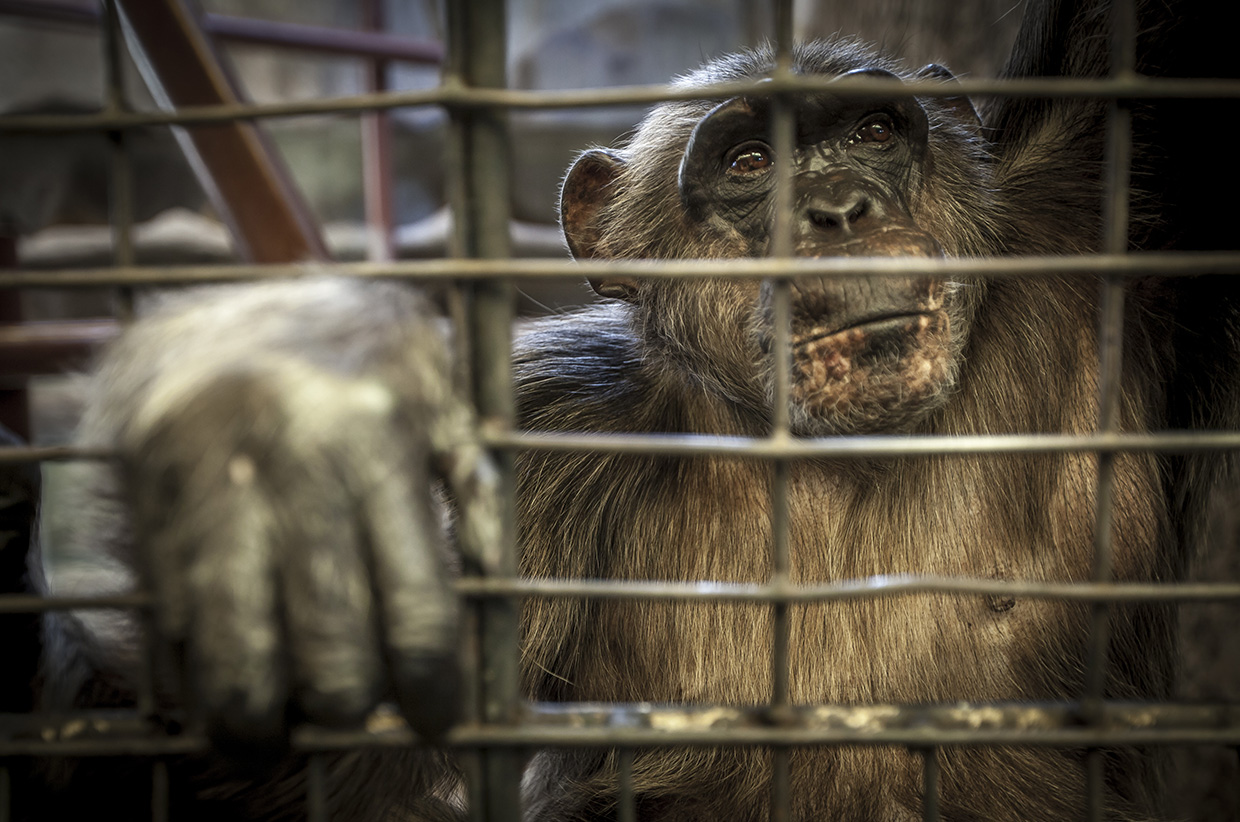
In Conversation with Aaron Gekoski
Written by Alex Roddie // Photography by Aaron Gekoski
Warning: This material contains images that may cause distress or discomfort.
Aaron Gekoski is an award-winning environmental photojournalist who documents humanity’s complex and often violent relationship with wildlife, especially human-animal conflict. He’s been active for more than 20 years, and his hard-hitting images document examples of beautiful wild creatives that have been exploited. In this conversation, Sidetracked editor Alex Roddie asks Aaron what drives him to do this physically and emotionally challenging work, as well as – paradoxically – the hope he draws from it.
Alex Roddie: Could you describe your overall mission? What are you trying to achieve with your work?
Aaron Gekoski: It’s multifaceted, and can be anything from targeting governments to try and change legislation to targeting individuals, such as private zoos or exotic pet owners. It can be educating the general public. I’ve been doing this work for nearly 20 years now, so when you’re working in this industry you have to approach it from different angles in order to be successful.
Were you always a photographer and wildlife lover? What was the spark?
I grew up obsessed with David Attenborough, wildlife documentaries, and adventure. But being a lad from Leamington Spa, I wasn’t exactly subjected to an exotic lifestyle. I worked in the publishing industry for a while as a copywriter, and I started up a modelling agency with my best friend from school, but I slowly started to dislike the industry and everything I was becoming.
I’m always a bit ashamed to admit it, but I watched Into the Wild one day, and it just blew my mind. I didn’t sleep that night, and the next day I said to my business partner, ‘I need to get out of here. There is more to life than London, than the modelling industry.’
I got rid of my business and went off to Africa to wildlife filmmaking school, and all my friends said to me, ‘You’ll be back in two weeks – what do you know about wildlife filmmaking?’ But I thought, it’s now or never. If I really want to do something, travel the world and work on these important issues, it has to be now.
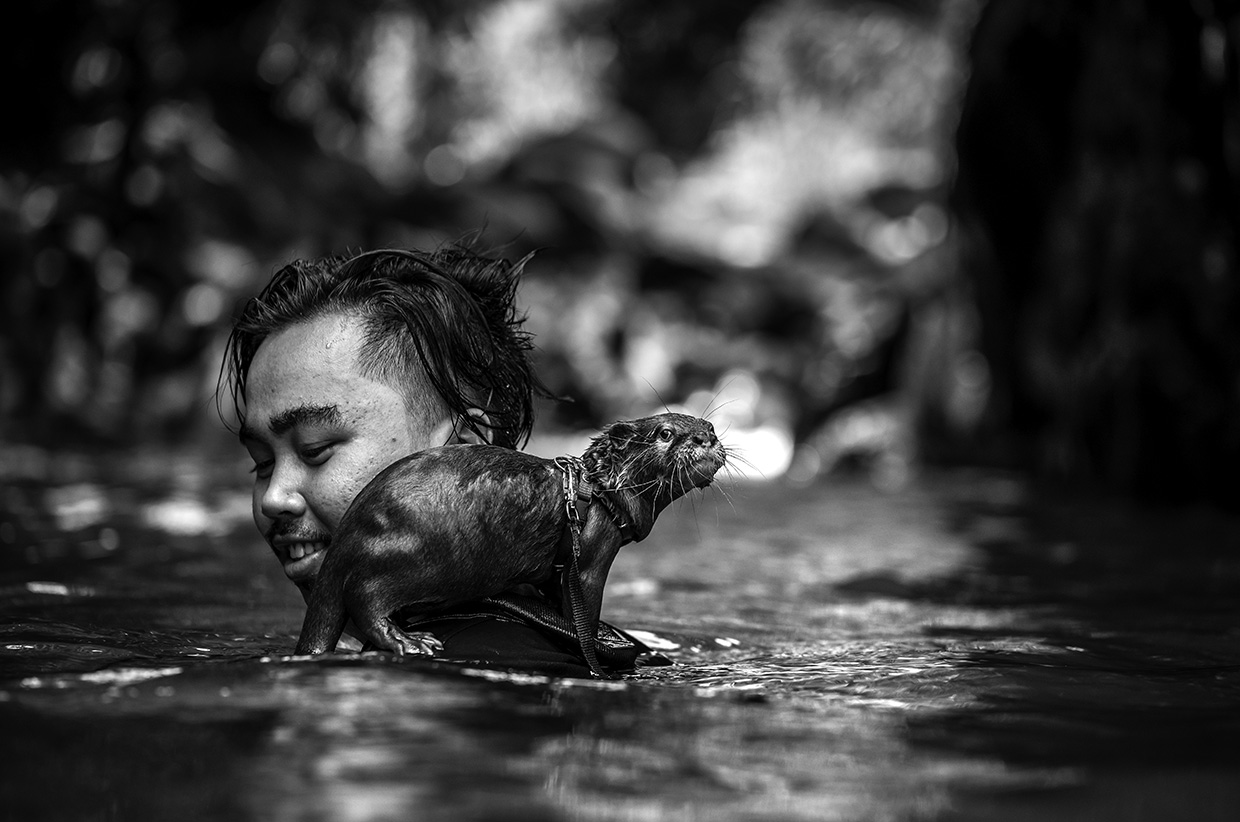
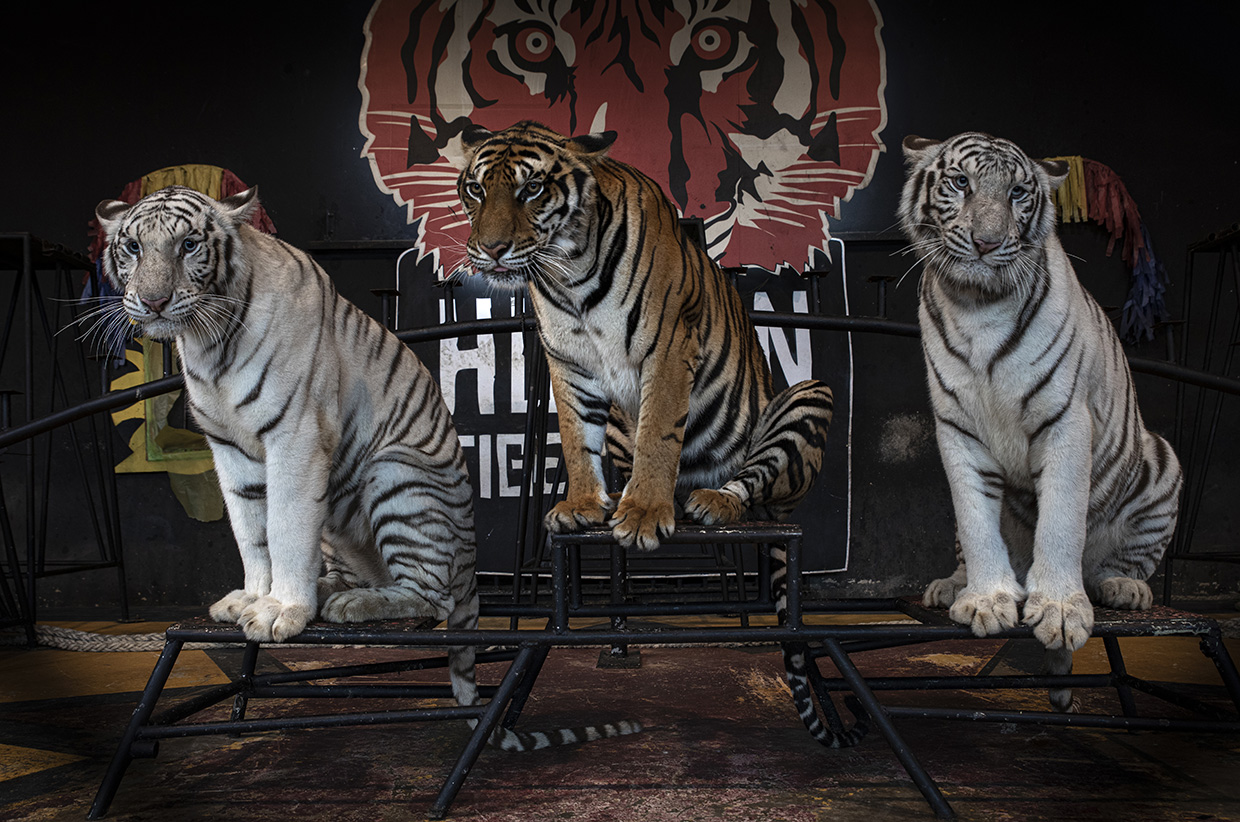
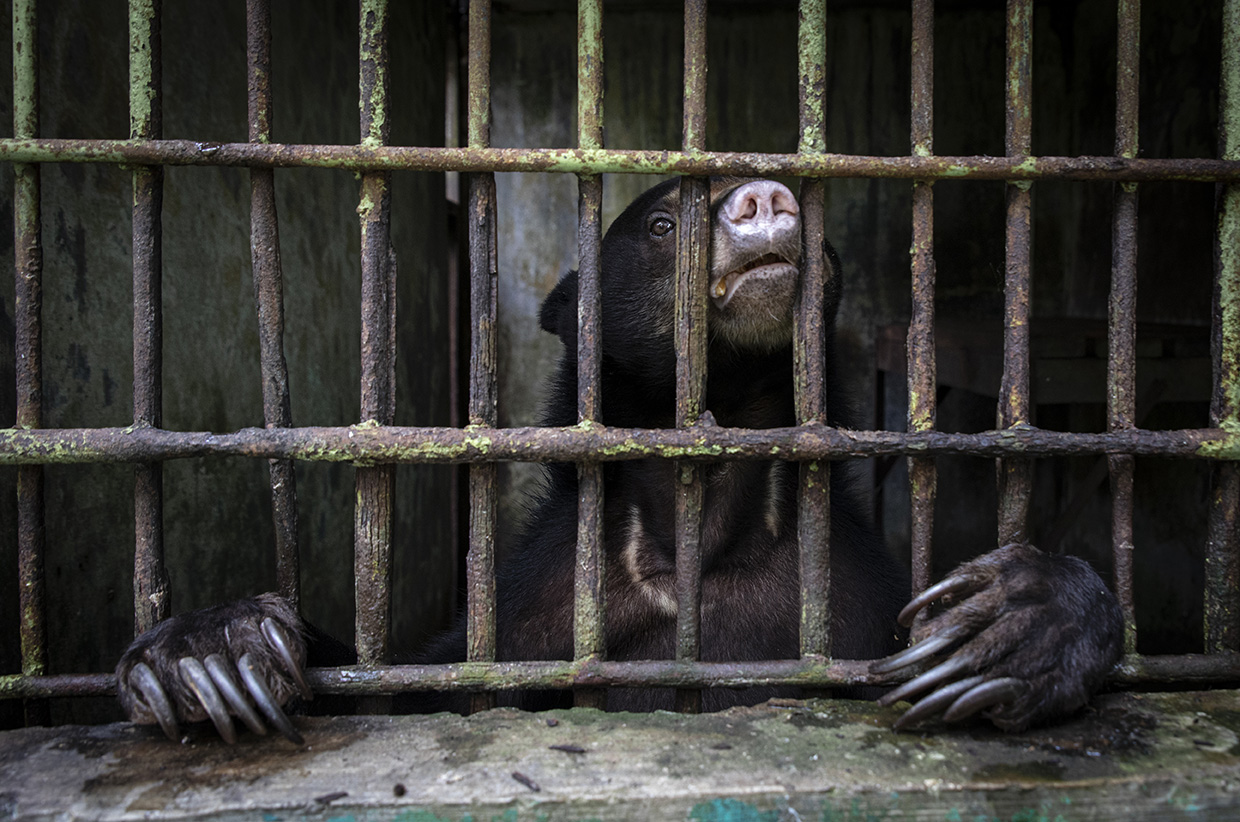
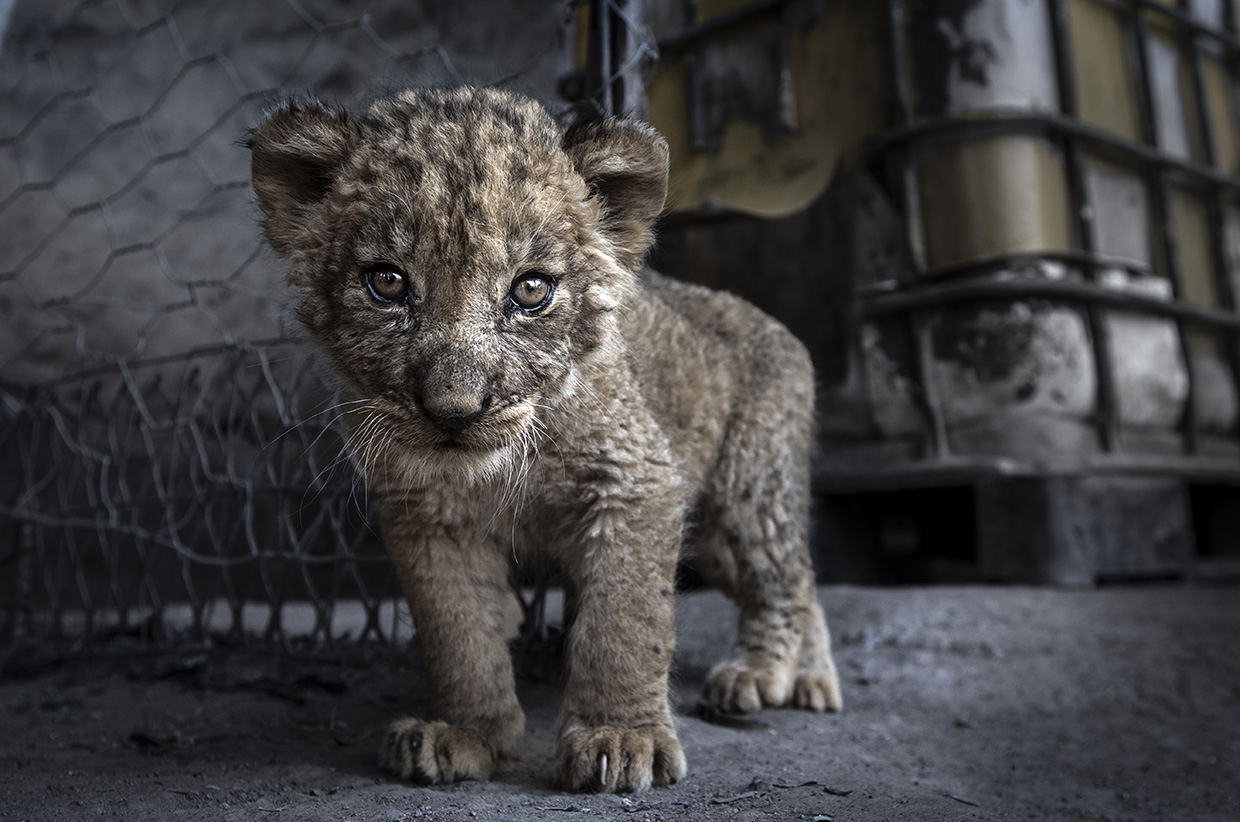
My goal was to document the beauty of the natural world, much like my hero David Attenborough. But then when I started to travel within Africa, I noticed that things weren’t quite as they seemed on those Attenborough documentaries, and that everywhere I travelled animals were being targeted for their body parts, hunted unsustainably, kept illegally as exotic pets, or they were being consumed for bogus medicines.
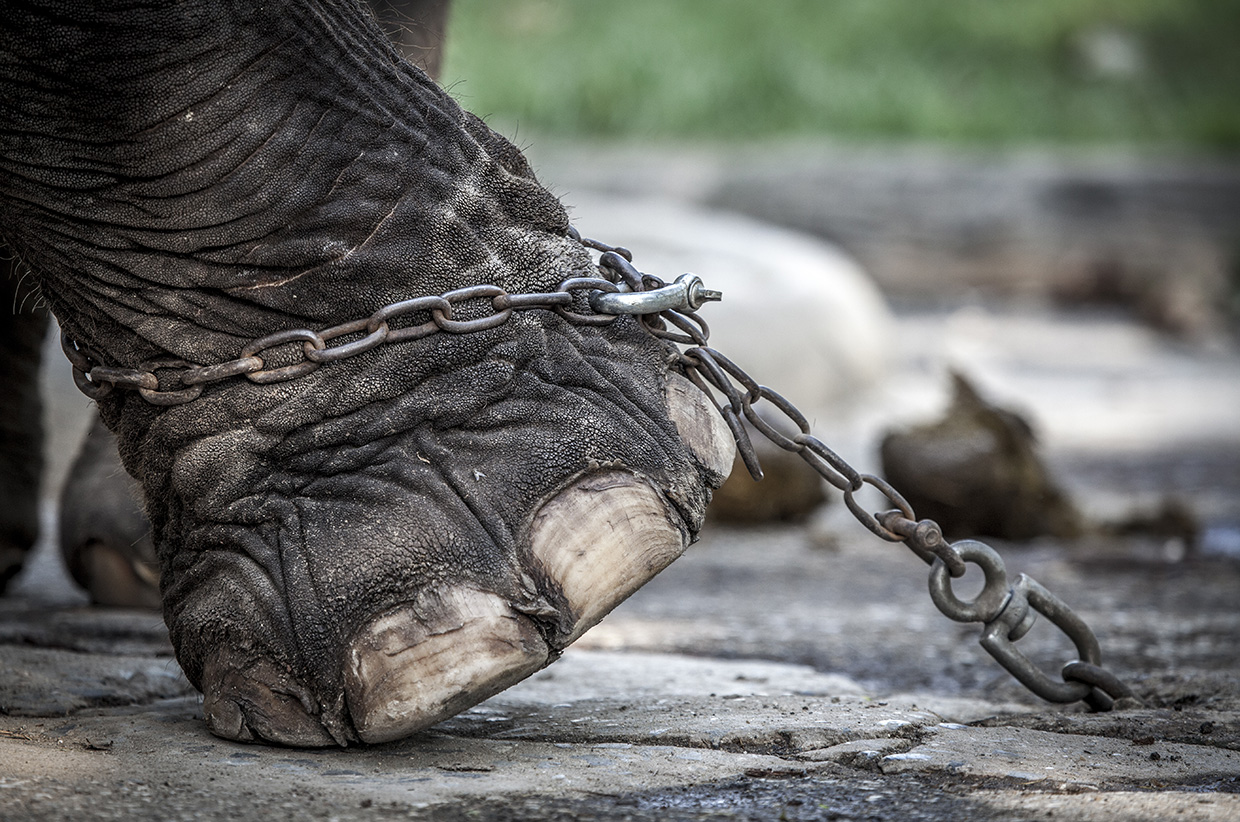
We’re in the midst of a sixth mass-extinction event. We’ve lost 50 per cent of wildlife in the last 40 years alone. Is it more interesting to go and photograph an elephant at a watering hole, or to document an elephant that’s been dressed up and forced to perform at some horrific show?
So that’s been my focus for many years now: to try and get these issues out to the public through film, photography, and writing articles.
There’s enormous variety in your background. How does this inform your process of seeking projects and carrying them out? Do you find it’s important to have all of these different resources you can draw from?
When I first started in this industry, I had no idea what I was doing, no idea about the realities of these stories, the danger or complexity of it. We all read about conservation and just what a complicated area it is, but until you’re actually out there you don’t have an informed perspective. Over many years it’s definitely helped to open my eyes as well, to realise that these aren’t stories of good versus bad, but areas with many, many shades of grey.
Over so many years in the field, you must have had some incredible adventures. Is that side of it a motivating factor for you in addition to the work itself?
It’s allowed me to travel, and I know I’m incredibly fortunate to be able to do this because I’ve been to places that have completely blown my mind – some of the most beautiful, most heartbreaking, most devastated corners of the planet. Of course I believe wholeheartedly in the issues and stories I cover, but have I got something out of it as well? Absolutely!
However, it has taken its toll. It’s exhausting – absolutely exhausting. You can’t say that your fortune is made in this industry either, that’s for sure.
There’s also the psychological side, the things you witness, and the physical side, the diseases I’ve been exposed to. It’s not often people see that side; they see the travel, going to these amazing places, and they somehow equate that with glamour or adventure. I can tell you that when you’re knee deep in buffalo carcasses at a festival in Nepal it’s not the easiest line of work.
But what I go through as a photographer is absolutely nothing compared to what the animals I’m documenting go through. I don’t like to focus on that, but that’s just the reality.
I read that you’ve suffered from burnout. Was that to do with the emotional toll? What’s the source of hope that you find to bring you back to the work?
It’s cumulative after many years of absorbing these stories. I don’t think you’re conscious that it’s happening until you’re like, ‘I’m never going on another job again.’
It happened just as Covid hit, actually. That was forced downtime for me, and I produced my first book, Animosity, which contains stories of my work covering these issues – it was very cathartic for me. The book was as much for me as it was for anyone else.
There are lots of ways of processing it. One was writing a book. You have to force yourself to take downtime. Whenever I go away, that’s always when I’m pulled back. I mean, once it gets in your blood, no matter how much shit I put myself through, I’m always pulled back.
I still love the work. There are not many things that can hold my attention for 20 years, but I get so much of a kick from going out and documenting these stories.
Do people approach you with these ideas or do you find something and then think, I’m going to look at this particular story?
When I was starting off, I was finding stories and then pitching them. A lot come through NGOs, who might approach me about a particular campaign they’re working on. Or it might be an issue that I’ve been made aware of, whether through the media or contacts, and then I might pitch it out to broadcasters, magazines, or whoever might want to take on these stories.
It’s all about getting the media to take them on. It’s become very, very difficult for me. But more recently, because I’ve been working with clients for a long time, I’m mostly approached by them, and it’s about running the investigative side. An NGO or some individuals might say, look, there’s an issue with this particular zoo, or we’re running a campaign about pangolins and we would like you to go and capture visuals at the following places.
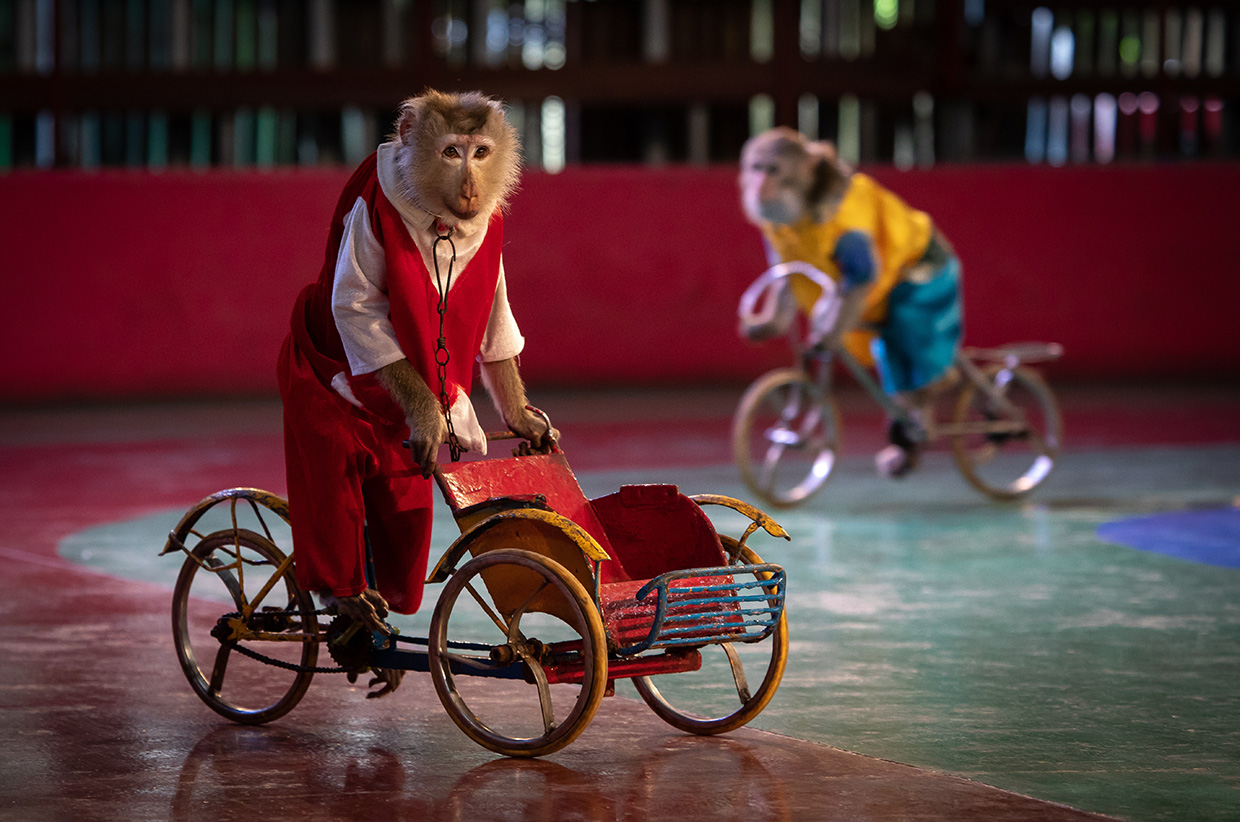
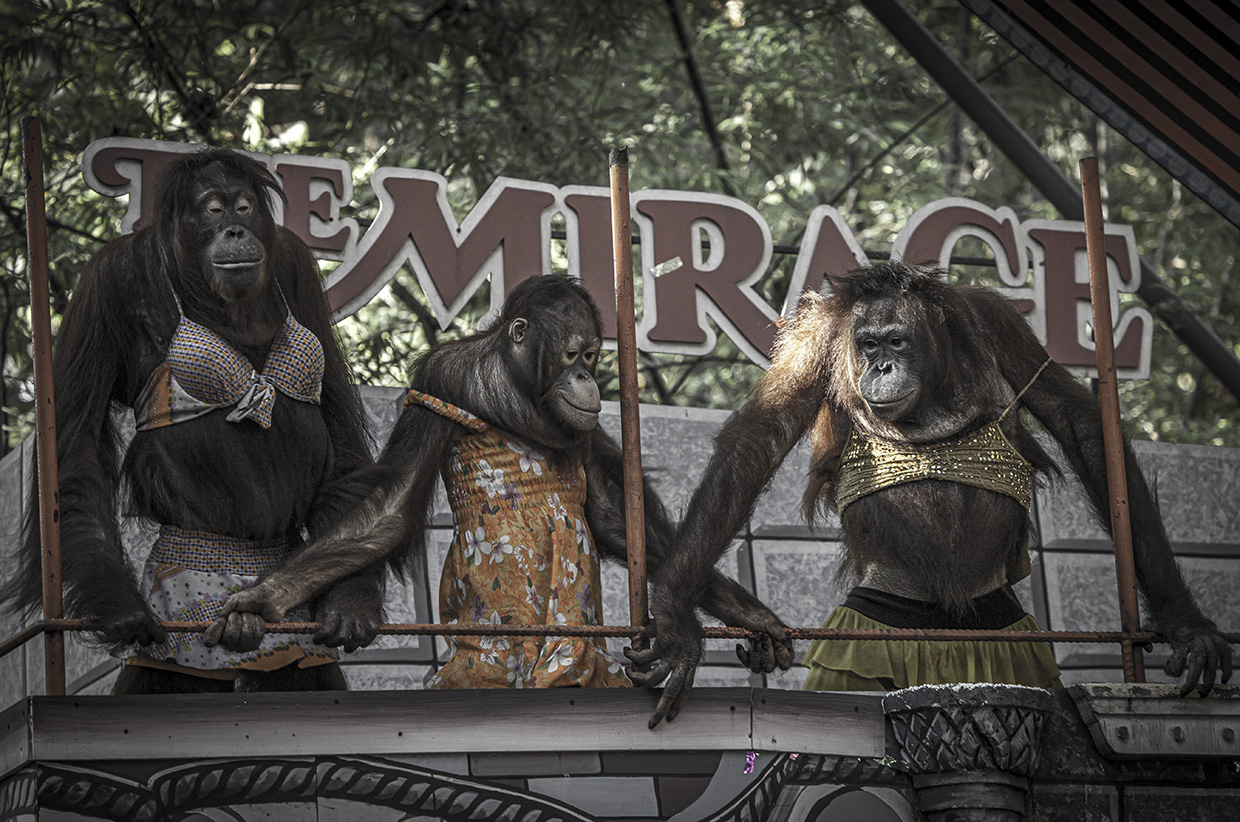
There’s a quote I read from one of your articles about revealing hidden layers of light in the darkness. What are those hidden layers of light, and what is the hope that you’re striving towards?
It’s easy to feel hopeless in this line of work, or being on social media and bombarded with negativity, and you can see why people are a bit sceptical about giving a platform to these stories. But actually there are stories of inspiration amongst the horror, and there are people who work under the most extreme conditions for no money whatsoever. Whether it’s scientists, educators, NGO workers, anti-poaching rangers, these are the people who show why we have to have hope, why we can’t just give up.
Is there anything you can tell us about your next project?
I’ve got quite a few things on the go. I’ve just been in Bali working on some investigations on horrific zoos, and then I’m going to be in the Faroe Islands where they slaughter pilot whales. I’ve been interested in covering that for a long time, so I’m going to be on the ground in the Faroes for a few weeks. I’m going to New York to do a piece about the working animals there, then Morocco to do something about the donkeys as well as ongoing work surrounding the wildlife tourism industry.
I went to Morocco a couple of years ago on a trek in the Toubkal area, and it was really interesting seeing how some of the tour operators don’t treat their mules well, but others are starting to introduce schemes to improve donkey welfare.
A lot of these donkeys are worked to death. They work for long hours in blistering heat without food, without water, often just to carry tourists up to sites for photo opportunities. It’s a story that often goes unnoticed, and people just think, ah, it’s a mule. Who cares? Like, they’re pretty hardy. But actually these animals are really suffering. I’ve never done anything on donkeys before, but it’s going to be interesting out there. I did a similar thing in Petra, looking at the horses and camels. After working all day they’ll be tied up all night in some terrible place. They’re given very little rest at all.
You’ve got to be careful that you’re not wagging fingers and preaching, but if people could maybe switch on their brain and say, actually I think I read something about that, I saw that on social media, and maybe I’m not going to go on a donkey ride… It doesn’t have to be a big victory in this line of work. If you can just change individual perceptions, that’s huge.