A Guide to St Helena
Destinations Explore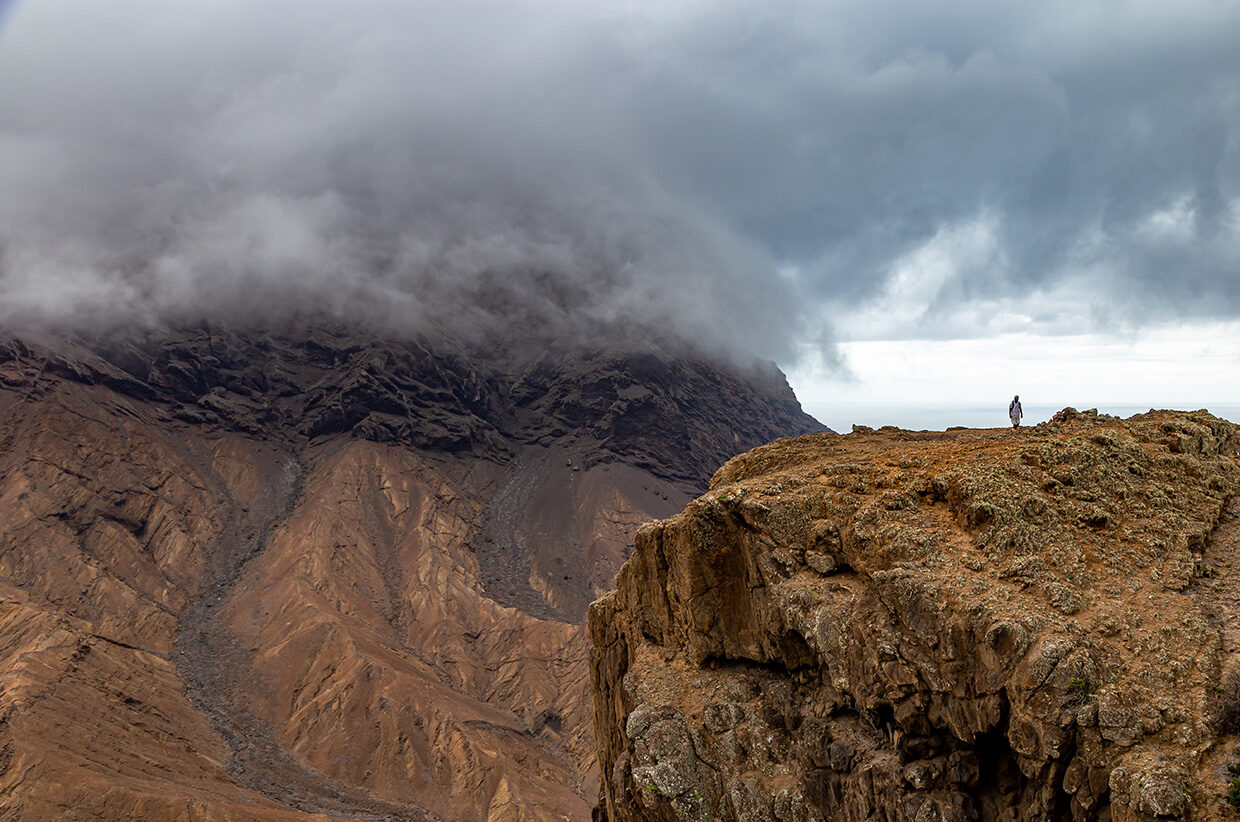 Photo: Mathias Falcone
A Destination Guide to St Helena
Written by Daniel Neilson // Photography Courtesy of St Helena
St Helena is one of the most remote places on Earth. To visit this island is to explore some of the further reaches of our planet. Here’s everything you need to know about getting there, what to do, and where to stay.
It takes a fair bit of zooming in to see St Helena on a satellite map. Amongst the undulations under the South Atlantic visible from space, St Helena just punctures the surface for 122km2. It’s the only location that rises from the ocean anywhere in that region. Ascension Island is 1,298km along the same ocean ridge. The nearest landmass is Angola, 1,950km to the east, and the coast of South America is 2,900km to the west. It’s remote. Really, really remote.
Yet, despite (or perhaps by virtue of) its diminutive size and remoteness, its place in history is considerable. It is famously where the British decided was the safest place to imprison Napoleon. But its location along one of the world’s key trading routes meant that it has also hosted sick mariners, Boer War prisoners, enslaved people, and traders from across the globe.
These days, it’s adventurous travellers, photographers, and history enthusiasts who visit to explore its landscapes of rugged elevations, of steep coastal cliffs, of rolling wooded hills, and 22 islets offshore – some named with impeccable logic (Rough Rock, Long Ledge, and Flat Rock), others with a little more intrigue (Egg Island, the Chimney, and Frightus Rock).
St Helena no longer requires an ocean voyage to reach, but it’s still one of the most isolated places on Earth. It’s somewhere that rewards the bold and the curious.

About St Helena
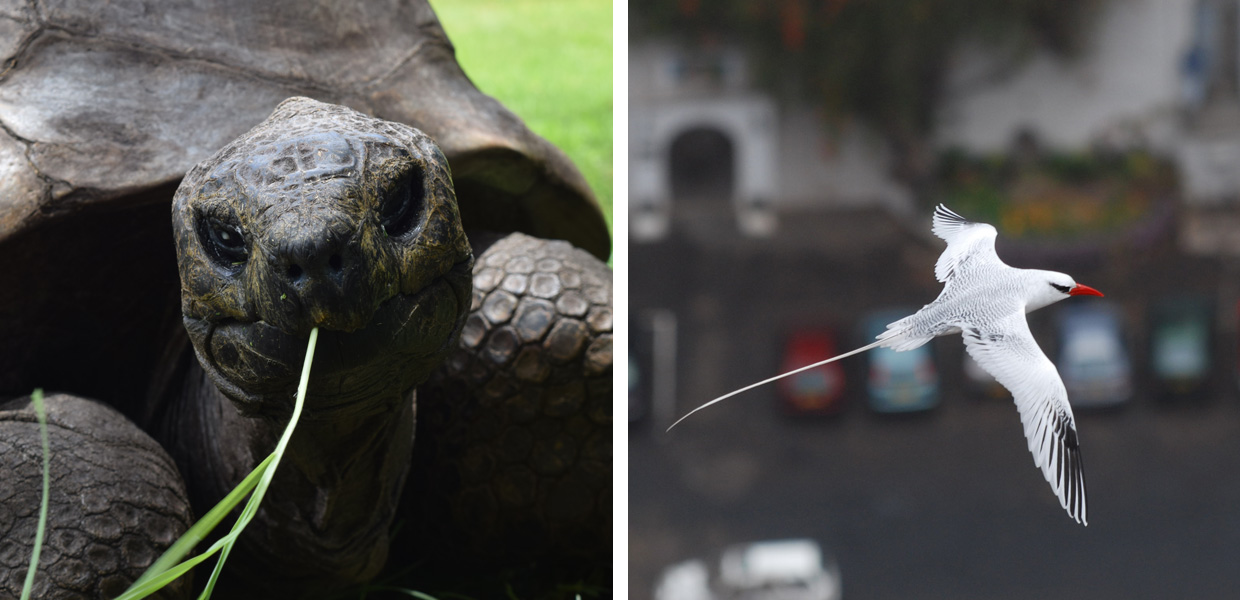
To outline the briefest of histories, it was discovered by the Portuguese in 1502, later becoming an outpost for the British East India Company in 1657. British farmers and ex-soldiers began to settle here alongside workers from China and enslaved people, mainly from Madagascar and Asia. At its peak, more than 1,000 ships stopped here a year. In 1834, it became a crown colony, in 1981 it was reclassified as a British Dependant Territory, and in 2002 as a British Overseas Territory. Fast facts for St Helena in 2025 include a population of ‘Saints’ (as the friendly locals are known) of around 4,000, no traffic lights, no chain stores, and coffee among the rarest and most sought-after in the world. It’s also home to the oldest living land animal, a 193-year-old Seychelles tortoise called Jonathan.
Things to do
Adventure activities
This island offers a hugely diverse range of terrain and a vast ocean beyond its shores. As a consequence, this is a place for adventure. Diving here is world class, with clear waters, an eye-opening number of shipwrecks, and diverse marine life. Sport fishing is popular, too, with the chance to catch tuna and wahoo.
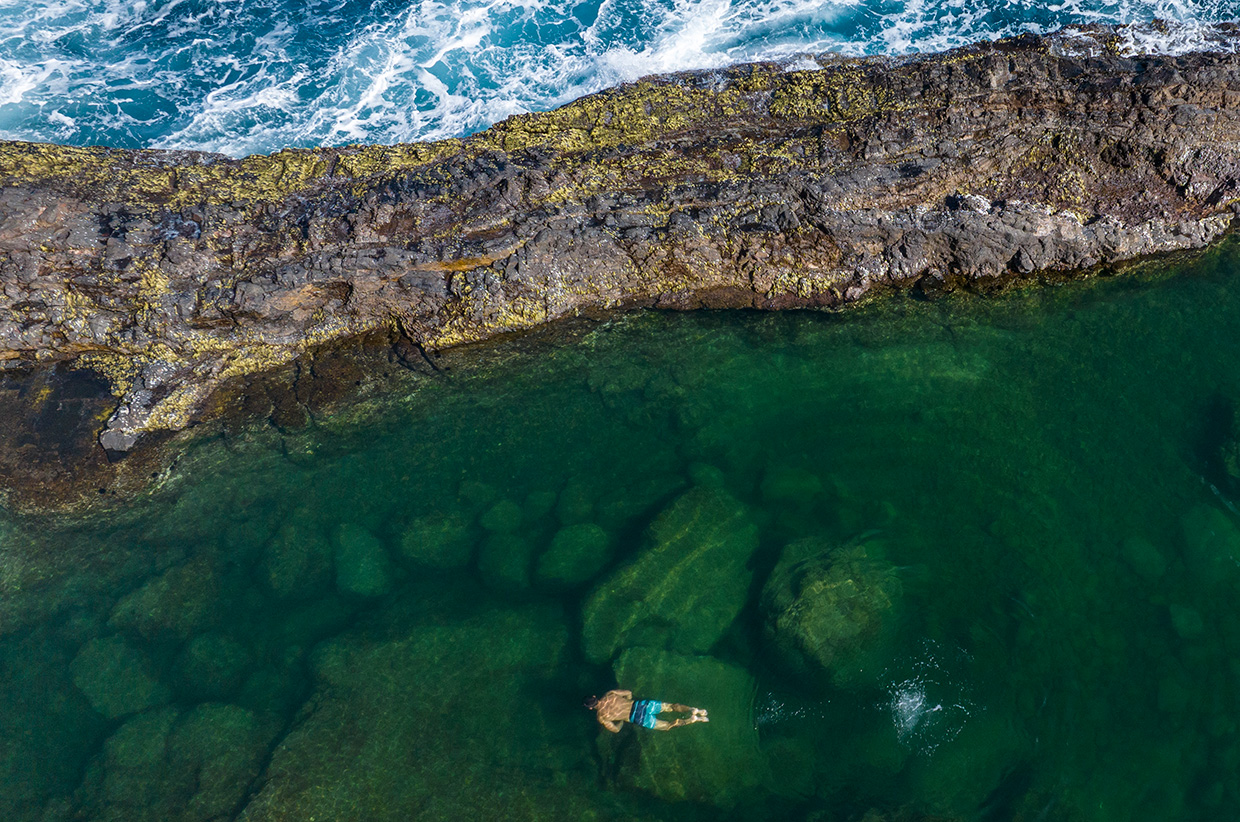
However, St Helena’s Post Box Walks are the island’s ultimate trekking challenge, a series of 20 designated hiking routes that wind through its most dramatic landscapes. Named after the ‘post boxes’ placed at the end of each route (each containing a visitor log and a stamp), these trails lead walkers across volcanic ridgelines through misty cloud forests and down to hidden coastal pools. Each Post Box Walk varies in difficulty and include a scramble along Shark’s Valley or a dizzying descent to Lot’s Wife’s Ponds. Four new Post Box Walks were added last year. See our article here.
Before venturing into the island’s wild interior, all visitors must attempt one challenge: Jacob’s Ladder. Built in the 19th century, this near-vertical staircase of 699 steps climbs straight up the cliffside from Jamestown to Ladder Hill Fort. The reward is ample as the entire island unfurls before you, offering some context to this volcanic rock in the South Atlantic, with only Africa in one direction and South America in the other.
Life and death under the Atlantic
Beneath the waves around St Helena is a shipwreck graveyard – centuries of lost vessels preserved in the clear waters. Among them is the wreck of the Papanui, a steamship that burned and sank in 1911. It’s one of the most accessible, lying just meters below the surface.
Wildlife and nature
St Helena’s isolation has created an ecosystem unlike any other. The island is home to more than 500 endemic species. The St Helena plover (Charadrius sanctaehelenae), known locally as the wirebird, is the island’s only surviving endemic land bird and its national symbol (you’ll see it depicted on the St Helena flag). St Helena is also home to 50 endemic plant species, many of which teeter on the brink of extinction.
Offshore, dolphins, whale sharks, and turtles patrol the waters, and the remarkable clarity of the water makes it an incredible destination for diving and snorkelling.

Cultural sites
Napoleon’s presence still lingers on St Helena. Visit Longwood House, where the exiled emperor lived out his final years. The house is perfectly preserved, a place frozen in time, where the emperor’s possessions still sit as they did two centuries ago. The tomb where he was initially buried is another poignant stop. In St Pauls, the Plantation House is the governor’s residence and is also home to Jonathan, a 193-year-old giant tortoise, the world’s oldest known living land animal.
Also, in Jamestown, you’ll find the Castle, St James’s Church, and the island’s small but fascinating museum which offers glimpses into the island’s colonial past – as do the well-preserved military batteries and hidden graves that tell of shipwrecks. Many of these sites can be explored on foot by following the Post Box Walks. Banks Battery, perched on the eastern heights, is a coastal walk with views of the ocean, while the remnants of Munden’s Battery, closer to the capital, once protected the settlement below.
Planning your visit
How to get there
The days of month-long sea voyages are (mostly) behind us, but getting to St Helena is still an adventure. Before the airport opened in 2017, the only way to get to St Helena was by ship on a five-day trip across the South Atlantic from Cape Town, South Africa. A cargo service still stops in St Helena, the MV Maria da Paz, which operates from Luanda in Angola to Walvis Bay in Namibia and then to St Helena. The fact that Luanda and Walvis Bay are included in a sentence about travel to St Helena demonstrates just how remote this place is. It’s also a common stopping-off point for boats and yachts crossing the South Atlantic.
St Helena Airport is a six-hour flight from Johannesburg’s OR Tambo International Airport. It is operated by Airlink. There is a weekly connection and a monthly flight to and from Ascension Island.
Travel tips
When to go
Be sure to pack for all weather. St Helena has a variety of microclimates – a result of its rugged terrain, varying elevations, and proximity to ocean currents. While the coast is often sunny and warm, the central peaks can be much cooler.
The best time to visit really depends on your interests. Between October and April it’s a little warmer, with calm seas – ideal for diving. To see whale sharks, visit between January and April. The island rarely feels crowded, but locals celebrate key events such as St Helena Day (May 21st), offering unique cultural and sporting experiences.
Visa and entry requirements
St Helena is a British Overseas Territory, and while most travellers do not need a visa, you must show proof of return trave, accommodation and travel insurance. Visitors can stay up to 90 days without issue, but always check current regulations before departure.
Money and connectivity
St Helena uses the St Helena Pound (SHP), which is pegged to the British Pound (GBP). Credit cards are accepted in some places, but cash is king. Internet connectivity has improved in recent years but you can still expect it to be slower than you’re used to… consider this an opportunity to unplug.
Health and safety
Healthcare facilities are basic but adequate. Travel insurance is essential, and it covers medical evacuation in case of emergencies. Crime is virtually nonexistent, making St Helena one of the safest travel destinations in the world.
Where to stay
Accommodation options are limited, with accommodation on St Helena being intimate and welcoming rather than flashy. For example, Mantis St Helena is a boutique hotel that blends history and modern comfort. Richards Travel Lodge is a cosy guesthouse known for its hospitality. There are dozens of self-catering options, as well as rental cottages.
For more information on visiting St Helena, visit sthelenatourism.com.
8-days from £2,745 per person with Far and Wild Travel