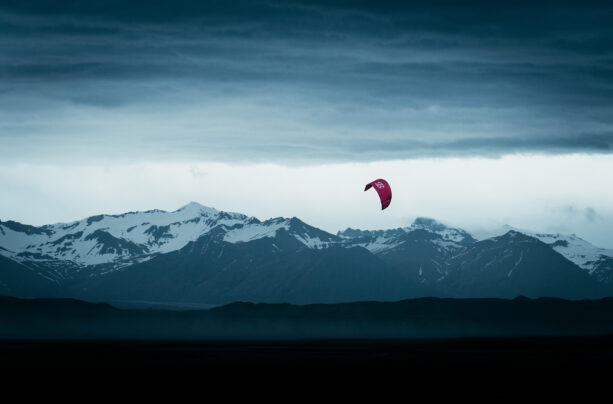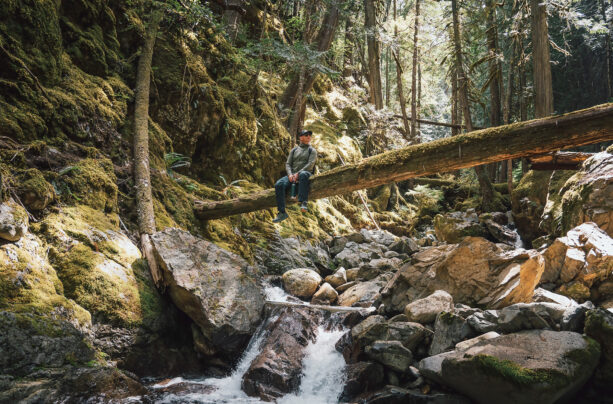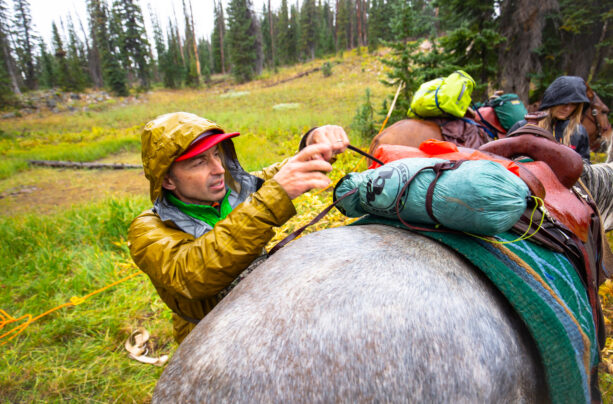
To celebrate the company’s birthday, Daniel Neilson speaks to Bill about how backpacking has changed in a quarter of a century, how Big Agnes maintain constant innovation – such as the new ultralight VST tents –and why everything should come with a big dose of fun.
Why should camping be so uncomfortable? That was the question Bill Gamber was asking himself 25 years ago, so he decided to do something about it, creating sleeping bags and a mat that were actually comfortable, while remaining lightweight enough for the thru-hiker.
Daniel Neilson: How did it all begin? What is the Big Agnes origin story?
Bill Gamber: It began with a better sleep system – a sleeping bag with a sleeve for the pad, so you stayed on the pad. That was the original design. Since then we’ve gone much deeper into lots of categories, but we’ve stayed focused on all things camping.
What was the ethos at the start? Was it always about being ultralight, or more about comfort?
The answer sounds simple: we wanted to make things more comfortable. It wasn’t ‘We’re going to be the lightest-weight gear’. Comfort is a general term, but we definitely focused on lightweight but only because carrying less weight is so much more comfortable.
At the time, 25 years ago, the ultralight movement was full of this crazy minimalist thing. Everybody was saying ‘Cut your toothbrush handle off’. We thought that was ridiculous. We wanted gear that was more liveable.
When you started, what was the ambition? Were you thinking global from day one?
I’m known for not really having a plan. Now we have a business plan, but it’s not my business plan. We have two great partners. Rich handles finance and operations, Len handles marketing, and I’m more product and sales.
We employ about 70 people now, with teams in the UK and Amsterdam, plus distributors and manufacturers all over the world. We sell in about 38 countries and produce in six or seven.
I grew up in Pennsylvania and didn’t travel much. When I graduated from university, I went to New Zealand to race a triathlon. That was eye-opening. It helped me understand that people are people. The globe is big, but everybody likes the same stuff. You just want to get out and enjoy whatever your thing is.
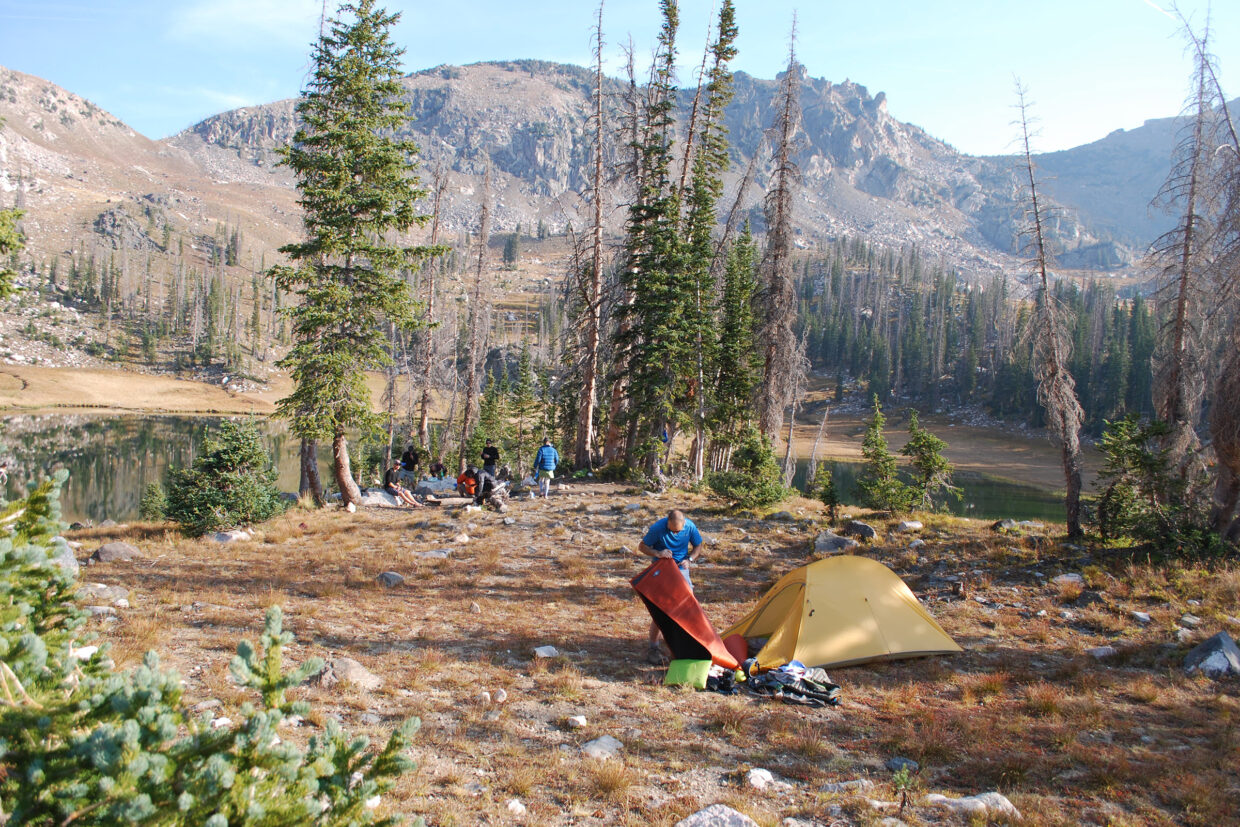
So the plan was really just to make great gear?
Yeah, that was it. I grew up in a family business, and that shaped me. My grandparents designed the plastic honey bear. We had a family honey business, and my dad and I used to go west to see beekeepers and fly fish. That’s how I ended up in Colorado.
With Big Agnes, the plan was to make better gear. I’d already started a small company in college making fleece clothing and outdoor stuff, so I knew a lot about business from my family. They were very entrepreneurial. Their honey business was the largest in the US, and still is.
We went to the Outdoor Retailer show with a sleeping bag and a sleeping pad, plus a few variations of each. We’d made samples in Colorado and found a manufacturer in California. We made a sleep system when everyone else was making a traditional mummy bag on a pad. That was the start. Within a year and a half, we were already working on tents; then we introduced an air pad and an insulated air pad.
We were working with a manufacturer making self-inflating pads, and we started talking about something that would pack smaller but be thicker. Lighter, more comfortable, but still packable. We were the first company to sell modern backpacking air pads [the Air Core Sleeping Pad in 2001].
We didn’t have investors. We built the company ourselves. We just started making the gear we wanted. For example, we only made family tents when we had kids. We realised we could make a wider sleeping bag and a thicker pad for car camping, then bigger tents for family trips. A lot of Big Agnes gear comes from that process.
Where does the company go from here?
We’re working on 2028 and 2029, so we’ve definitely got a product plan, which is good for me because it gives me a chance to focus on a few specific things instead of trying to run everything.
The last five years have been the biggest challenge. Covid and everything since then has been a rocky road, like it has for everybody in the outdoor industry. We didn’t lose focus, but we did lose momentum on product because we were focused on keeping the business alive. We’re not corporately owned, so we had to make the right decisions without big finance behind us. What’s been fun over the last year and a half is getting properly back on product.
The ultralight VST range came from one of our younger product designers, Sanders Park. He’s super sharp, has a master’s degree from Stanford, and he’s smarter than any of us. He’s a thru-hiker and has done some really long gravel and bikepacking rides too.

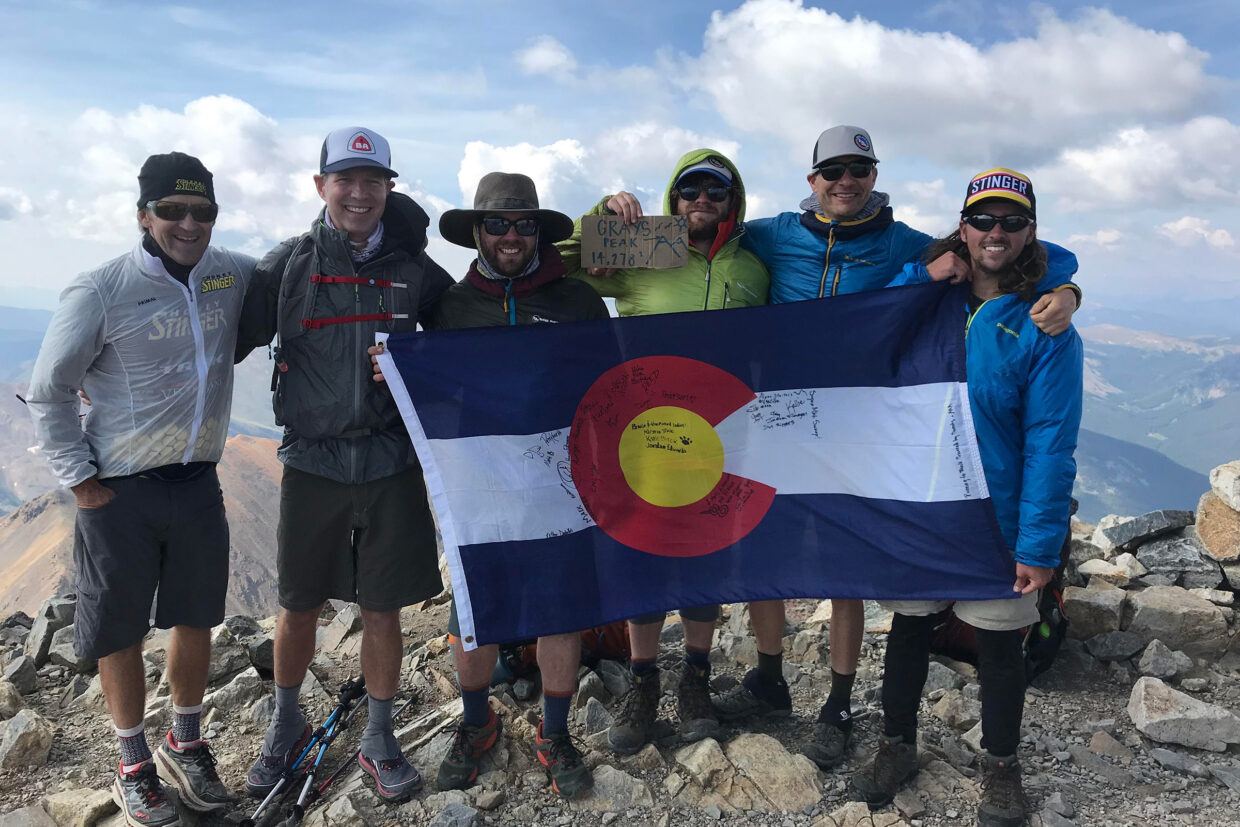


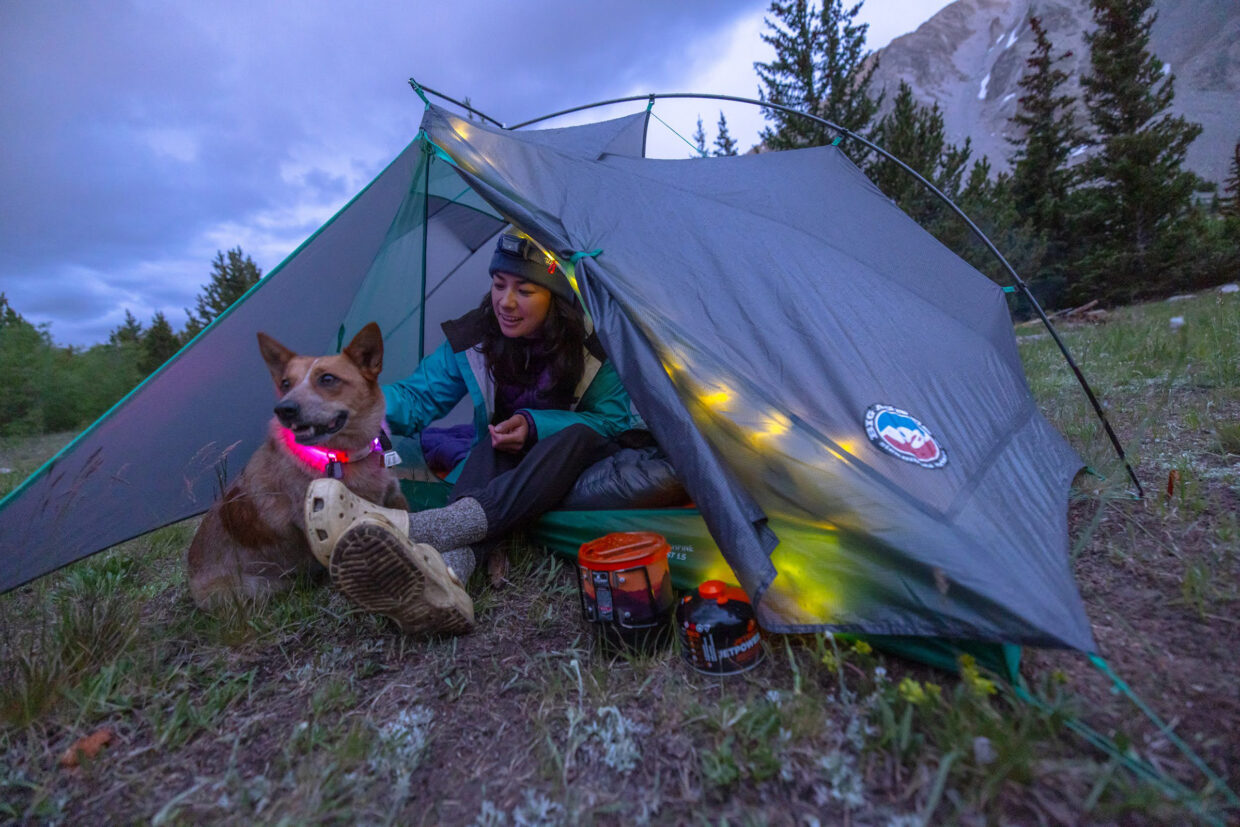
How does the location of your office influence product design?
What we love is that we can go out our door and camp. We’re fortunate to be in Steamboat Springs, Colorado. I can see the river, and we’ve got big trout in it right from the office. We’re true to who we are. Sometimes that doesn’t mean we make the best business decisions, but we make the ones we want to make, especially on gear.
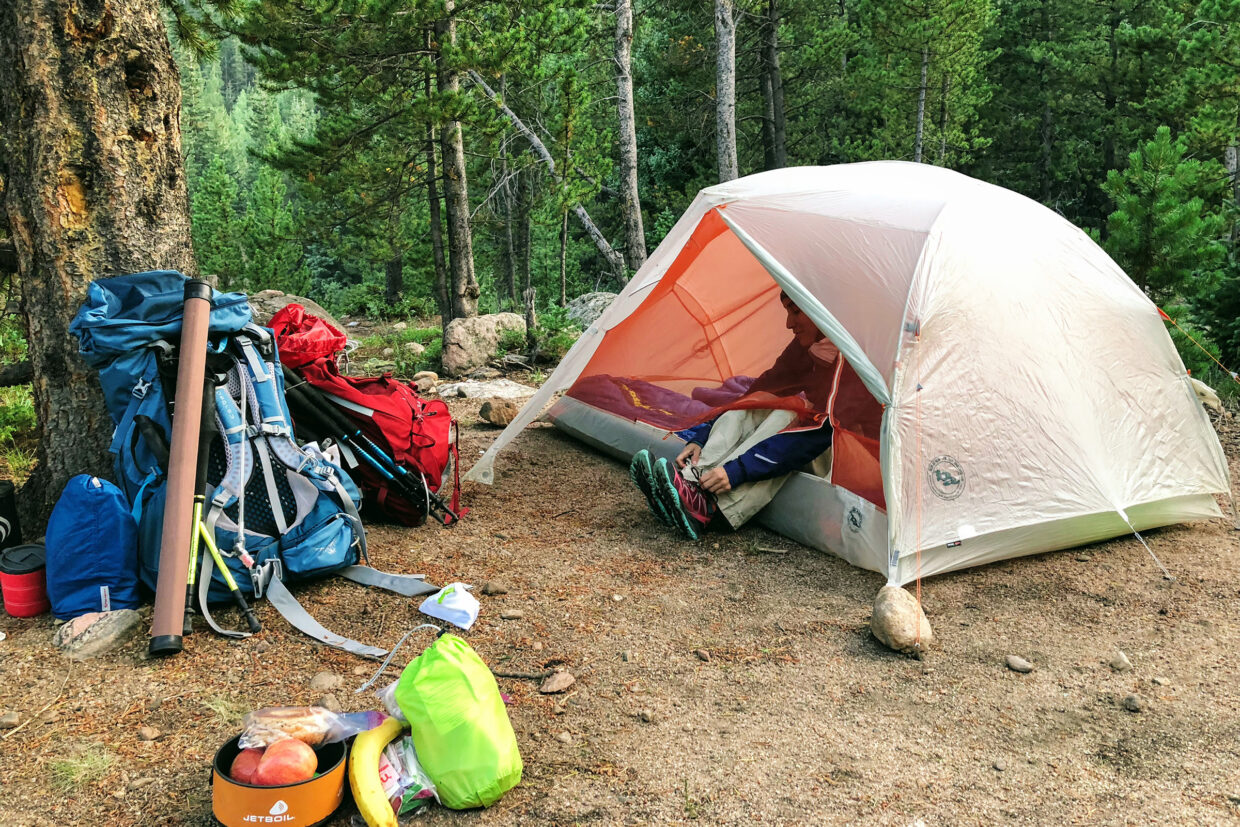
So when Sanders was working on the VST range, we just told him, ‘What do you want?’ Our sourcing team worked on specific fabrics, and that’s where we started working with HyperBead fabrics and the welding process. It’s stitch-free for the rainflies and everything. It’s definitely the most technical tent line we’ve ever made.
I’m not a big trekking-pole-tent person. But we let him fly. I like freestanding tents, and that’s always been part of our DNA. We just wanted to make the coolest, lightest tent line we could.
So the innovation is really about the environment behind the product, not just the product itself?
Exactly. The technical side matters, but the real thing is giving product designers the freedom to do what they want. That architecture around innovation is what makes things innovative, not just the final technical details.
If you give people that freedom, you get cool stuff out. There are times when we’ll say, ‘That’s the dumbest idea,’ but then we’ll morph it into something that actually works. No idea is stupid.
And what still gets you excited personally?
I grew up wrestling, then raced triathlons, then rock climbed a ton, then got back into triathlons again. I was always focused on the full Ironman distance. I raced in Hawaii, Canada, New Zealand, and Lake Placid, and did 12 or more full Ironman races, plus a bunch of others.
That was a fun period, but I really loved climbing. I still love it, but with five kids and running businesses, it’s harder. Right now I’m into getting out as much as I can. I ride gravel and mountain bikes whenever I can. If you’ve only got an hour and a half, it’s a great way to use it.
At weekends it’s usually a long ride, or getting up into the mountains and camping, or fishing. I’m a big fly fisherman, and we’ve been chasing water around here lately. Steamboat is great because the mountains are less extreme, but really accessible. You can do overnighters and good weekends, and it keeps you in tune with the outdoors and fit.
For more information, visit bigagnes.com and follow @bigagnes_ on Instagram.
Written by Daniel Neilson // @danieljneilson
Photography courtesy of Big Agnes.